Kvarner

Rijeka

Plan your trip to Rijeka. Factual guide covering driving routes from Europe, where to stay, parking options, beach access, and the best times to visit.

Best months
May to September
Sea temperature in August
24°C to 26°C
Nearest airport
Rijeka Airport (RJK), 26 km / 30 mins
Rijeka harbor and city center

Main beach type

Pebble and concrete terraces

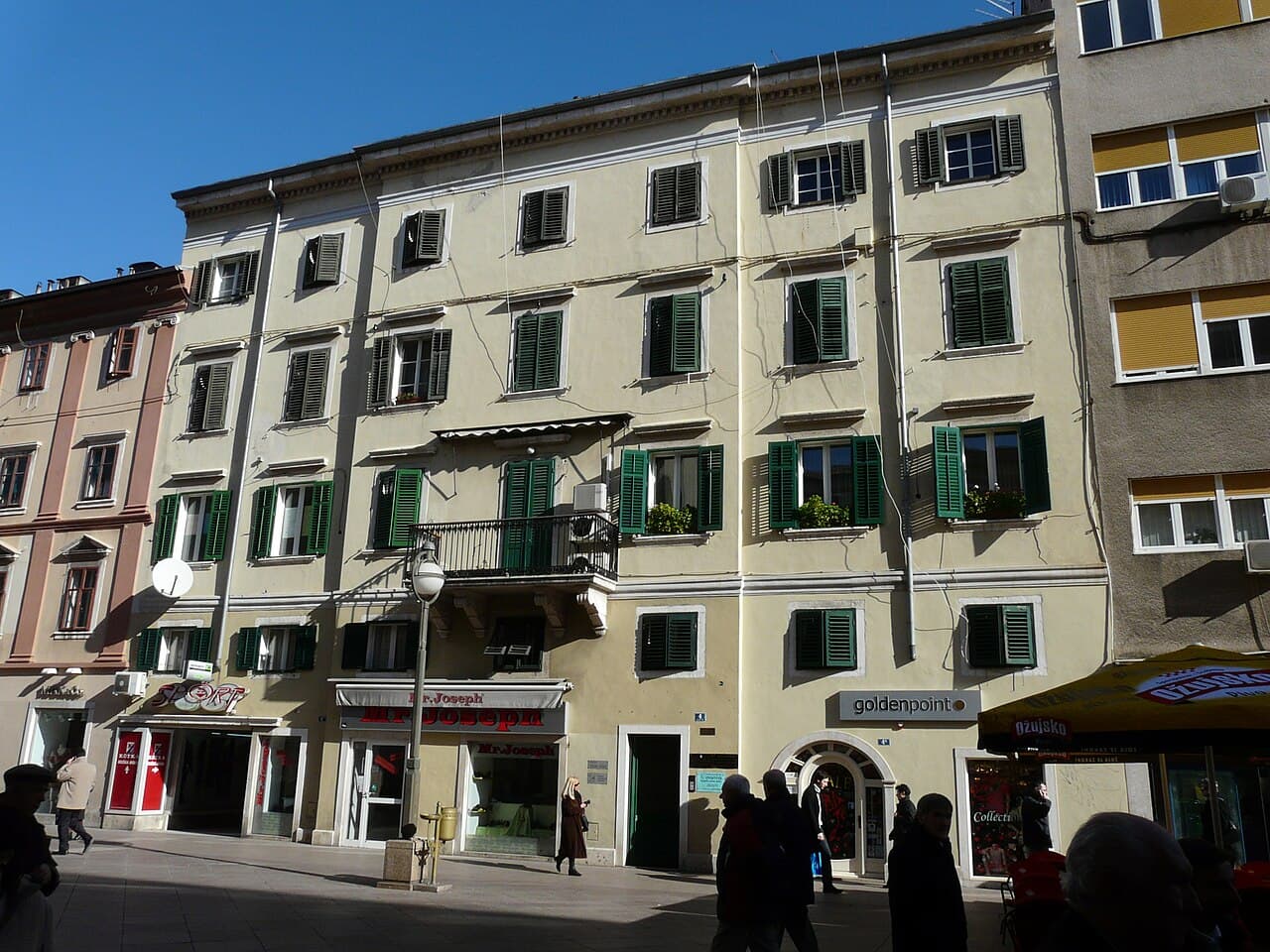
Rijeka is Croatia's third-largest city and its busiest seaport, differing significantly from the typical Dalmatian tourist resorts. It appeals to travelers interested in Austro-Hungarian architecture, industrial heritage, and a working-city atmosphere. The central Korzo promenade and surrounding historic streets serve as the main focal point, while beaches are located several kilometers east and west of the center.

Because it is a major transport hub, Rijeka works well as a base for day trips to the Istrian peninsula, the Kvarner Gulf islands, and Risnjak National Park. The city is best visited between May and September, when the weather permits swimming and outdoor events are scheduled, though it remains active year-round unlike highly seasonal coastal towns.

At a glance

Best months
May to September
Sea temperature in August
24°C to 26°C
Nearest airport
Rijeka Airport (RJK), 26 km / 30 mins
Main beach type
Pebble and concrete terraces
Price level
10-20% lower than Split or Dubrovnik
Walkability
Korzo and immediate old town are car-free

Where to stay in Rijeka

City Center / Korzo

The commercial and historic core of Rijeka, featuring the pedestrianized Korzo promenade, museums, and the main bus station.

Best for:
Sightseeing, transit, and nightlife
Parking:
Difficult; rely on paid lots like Delta or garages
Beach:
None; requires a 10-15 minute bus ride

Kantrida

A western coastal suburb known for its swimming pools, football stadium, and accessible pebble beaches.

Best for:
Families and beachgoers
Parking:
Street parking and public lots available near sports facilities
Beach:
Pebble beaches (PloÄŤe, Kantrida) within walking distance

Pećine

An eastern residential neighborhood built along a slope, featuring historic villas and small, scenic shoreline coves.

Best for:
Quiet stays with quick beach access
Parking:
Limited free street parking, often crowded in summer
Beach:
Direct access to Sablićevo and Glavanovo pebble beaches

Trsat

A hilltop neighborhood situated above the RjeÄŤina river, home to Trsat Castle and the Shrine of Our Lady of Trsat.

Best for:
History enthusiasts and panoramic views
Parking:
Easier than the center, with free spots and a dedicated lot
Beach:
No beach; 15-minute drive to the coast

Getting to Rijeka

Munich

By car: 510 km, 5.5-6.5 hours via A8, A10, A2, A1, A7. Requires Austrian vignette, Karawanken tunnel toll, Slovenian vignette, and Croatian tolls.

Other options: FlixBus or night train to Ljubljana, connecting to a bus.

Vienna

By car: 490 km, 5-6 hours via A2, A1, A7. Requires Austrian vignette, Slovenian vignette, and Croatian tolls.

Other options: FlixBus or Ă–BB train (direct or transferring in Ljubljana).

Budapest

By car: 500 km, 5-5.5 hours via M7, A4, A6. Requires Hungarian e-vignette and Croatian tolls.

Other options: Direct FlixBus or train via Zagreb.

Ljubljana

By car: 115 km, 1.5-2 hours via A1 to Postojna, then route 6/8 to Ilirska Bistrica and A7. Requires Slovenian vignette and Croatian tolls.

Other options: Direct bus or train (approx. 2.5 hours).

Prague

By car: 820 km, 8.5-10 hours via Vienna or Linz/Graz. Requires Czech, Austrian, and Slovenian vignettes, plus tunnel and Croatian tolls.

Other options: Train via Vienna/Zagreb or overnight bus.

KrakĂłw

By car: 900 km, 9-10.5 hours via Ostrava, Brno, Vienna, and Graz. Requires Polish tolls, plus Czech, Austrian, and Slovenian vignettes, and Croatian tolls.

Other options: Flight to Zagreb followed by a direct bus to Rijeka.

When to go

The best time to visit Rijeka is from June to September when the sea temperature reaches 24°C to 26°C and outdoor venues are fully operational. July and August are the warmest and most crowded months, though crowds and prices are considerably lower than in southern Dalmatia. May and October offer cooler temperatures suitable for hiking in nearby national parks, with lower accommodation rates. From November to April, the city experiences mild but rainy winters; while many tourist-focused beach facilities close, the city's museums, central restaurants, and shops remain open year-round.

Rijeka guides

Rijeka FAQ

Is Rijeka worth visiting?

Yes, if you are interested in industrial history, Austro-Hungarian architecture, and a working-city atmosphere. It is not recommended if you are looking for a traditional resort town solely focused on beach tourism.

How many days do I need in Rijeka?

One to two days are sufficient to see the main sights in the city center and Trsat. Add three to four days if you plan to use Rijeka as a base for day trips to Istria, Krk island, or Gorski Kotar.

What is the best beach in Rijeka?

Sablićevo beach in the Pećine neighborhood and Ploče beach in Kantrida are the most popular options. Both offer pebble shorelines, clear water, and basic facilities like showers.

Do I need a car in Rijeka?

A car is not necessary for exploring the city center, which is walkable and well-connected by local buses. However, having a vehicle is highly recommended for visiting nearby national parks, islands, and rural Istria.

Where is the best place to park in Rijeka?

The Delta parking lot offers the most outdoor spaces within a short walk of the pedestrian zone. For indoor parking, the Gomila and Zagrad garages are secure and centrally located.

Is Rijeka good for families?

Yes, older children will appreciate attractions like Trsat Castle, the Natural History Museum, and the Kantrida swimming pools. Families with toddlers might find the lack of shallow, sandy beaches challenging.

Explore Nearby

More destinations in Kvarner

Check Availability for Your Chosen Location

If you've already decided which area suits you, check availability below.

Find accommodation

Rijeka

Powered by Booking.com