01Are Dogs Allowed in Kornati National Park?
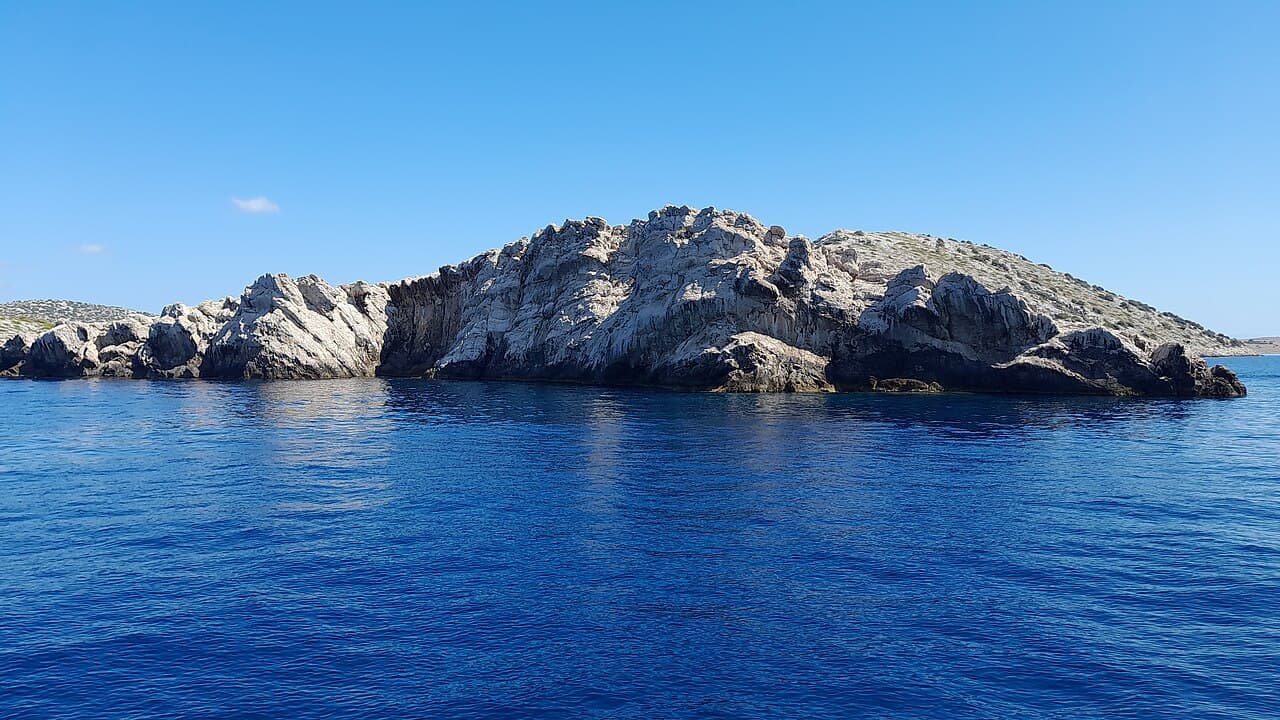
No. Kornati National Park covers 89 islands, islets and reefs, and dogs are not permitted inside the park. The archipelago is uninhabited apart from a few seasonal stone houses and konobas, and there is no fresh water, shade or veterinary care on most islands. A dog cannot be taken on a Kornati day trip, and a boat ticket does not change that.
The park is open year-round by boat only. There is no bridge and no scheduled ferry. Entry is charged per boat, not per person. A boat up to 6.99 m pays €25 in low season (January to May, October to December) or €45 in high season (June to September) when the ticket is bought in advance. Tickets bought from rangers inside the park cost more, so buy ahead. Organised excursions from Murter, Zadar, Šibenik, Vodice, Biograd and Pakoštane cost roughly €35-40 per person, with the park ticket included.
02Dog Beaches Near Kornati
There are no dog beaches in Kornati itself. The practical base is Murter island, the closest mainland-side departure point for the archipelago.
- Podvrške, near Murter town
- the official dog beach on the island, with the usual dog-beach setup of waste bins, benches and running water.
- Camping Jezera Lovišća, Jezera
- the campsite has its own dedicated dog beach, and the camp and apartments are pet-friendly.
- Punta Bajlo, Zadar
- a designated dog beach on the Zadar peninsula, about 60 km from Murter. Pag (Šimuni, Novalja) and Ugljan (Batalaža) also have dog sections.
On other Croatian beaches, dogs are usually banned during the main swimming season unless a sign says otherwise. Rules differ by municipality, so look for signs at each beach. Rocky coves and wild bays on Murter, such as around Kosirina, are used by locals with dogs out of season, but this is tolerated rather than official. Keep the dog on a lead and clean up.
03Old Town, Restaurants and Ferries
Kornati has no old town. The nearest towns are Murter, Betina, Tisno, Jezera, Biograd, Šibenik and Zadar, and dogs on leads can walk their streets and promenades.
Restaurants: dogs are commonly accepted on outdoor terraces, which is standard on the Dalmatian coast. Indoor dining is at the owner's discretion, and some konobas refuse dogs completely. Ask before sitting down.
Ferries and catamarans: Croatian ferry operators such as Jadrolinija generally carry dogs on leads, often muzzled, and charge a small fee or none on car ferries. Catamaran rules vary by operator and may restrict pets to the outer deck. Confirm when booking. Excursion boats to Kornati are not a good option, and you should treat the park ban as final.
04What Accommodation Charges for a Dog
Expect a pet fee of about €10-20 per night in apartments and hotels, sometimes capped per stay, and a lower fee at campsites. Some private hosts charge nothing. Many Murter listings filter by pets allowed, so use that filter early, because pet-friendly places sell out first in July and August. Large dogs may be limited to ground-floor apartments or places with a garden.
05Summer Heat and Best Months
July and August bring 30-35 °C in Dalmatia, and asphalt and rock get hot enough to burn paws. Walk before 9:00 or after 19:00 and never leave a dog in a parked car. Best months for a dog: May, June and late September. The sea is warm enough for swimming from June, crowds are lower, and many excursion boats run in groups rather than daily. Winter is quiet, but many konobas and campsites close.
06Vet Basics
Murter has limited veterinary services, and the nearest full clinics are in Šibenik, Biograd and Zadar. Save a clinic number before arrival and bring enough of any regular medication. Ticks and sandflies are present in warm months, so use a tick preventive. Seawater swallowing, jellyfish and sea urchins are common dog problems on rocky shores, and stagnant water can carry bacteria in summer. Carry fresh water and a collapsible bowl.
07EU Pet Passport and Driving In
Dogs entering Croatia from another EU country need three things: a microchip, a rabies vaccination, and an EU pet passport issued by an authorised vet. The chip must be implanted before or on the same day as the rabies shot, and entry is allowed 21 days after the primary vaccination. Since 22 April 2026, the new EU regulation 2026/131 replaced the earlier 576/2013 framework, but the rules for travellers are almost unchanged and existing passports stay valid. Croatia does not require tapeworm treatment for dogs entering from EU countries. A passport issued in Croatia costs about €10 plus VAT, and a vet may charge more for the visit.
Travellers from Great Britain cannot use a GB-issued pet passport. They need an Animal Health Certificate for each trip. Croatian authorities also expect dogs to be on a lead and, in some situations, muzzled when travelling. Carry a muzzle in the car for border and ferry checks.
08Verdict
Kornati is not dog-friendly. Skip the Kornati excursion if the dog is the reason for the trip, because the park ban is firm and no workaround exists. Stay on Murter, use Podvrške beach, and plan a dog-free boat day only if someone can stay behind or the accommodation allows the dog to be left for several hours in the shade. For a dog-led holiday, Pag, Ugljan or Krk offer more beach options. Verdict: 2 out of 5 for dogs in Kornati, 3.5 out of 5 for Murter as a base.


