Solo Travel in Krka, Croatia: Your Definitive Guide to Tips & Safety in 2026
Krka National Park, a highlight of Croatia's natural heritage, offers an exceptional opportunity for independent exploration. Its cascading waterfalls, emerald lakes, and lush greenery create a serene backdrop for those seeking solitude and connection with nature. For the solo traveler in 2026, Krka is not just a destination; it's an accessible, safe, and profoundly rewarding experience waiting to unfold.
This comprehensive guide will arm you with the knowledge to plan an unforgettable solo trip to Krka, covering everything from navigating the park and ensuring your safety to budgeting and local insider tips. Whether you're a seasoned solo adventurer or contemplating your first independent journey, Krka welcomes you with open arms and stunning vistas.
01Why Krka National Park is Perfect for Solo Travelers
Solo travel offers unique freedoms: setting your own pace, changing plans on a whim, and deep immersion in your surroundings. Krka National Park perfectly complements this ethos. The park's infrastructure is incredibly user-friendly, with clear signage, well-maintained paths, and efficient transport options within its borders. This allows for stress-free navigation, even if you're exploring alone. Furthermore, the sheer beauty of Krka is captivating enough to be enjoyed in quiet contemplation, removing any pressure to constantly engage with others. It's a place where you can truly be present.
02Is Krka National Park Safe for Solo Travelers?
Croatia consistently ranks among the safest countries in Europe, and Krka National Park is no exception. It is remarkably safe for solo travelers, including solo female travelers. The main concerns are generally minor, such as petty theft in crowded areas (like any tourist destination) or environmental hazards like slippery paths. Serious crime against tourists is exceedingly rare.
Key Safety Assurances:
- Low Crime Rate
- Croatia has a very low crime rate, making it a comfortable destination.
- Well-Patrolled
- The park is overseen by rangers who ensure visitor safety and adherence to rules.
- Clear Signage
- Trails and points of interest are clearly marked, minimizing the risk of getting lost.
- Visible Staff
- Park staff are readily available to assist with questions or emergencies.
03Getting to Krka National Park Solo
One of the beauties of Krka is its accessibility. You have several excellent options, each offering different levels of independence and budget-friendliness.
Public Transport: The Independent Traveler's Best Friend
- Buses from Major Cities
- Regular bus lines connect Šibenik, Split, and Zadar to Skradin or Lozovac, the two main entrances to Krka. For 2026, expect bus tickets from Šibenik to Skradin to cost around €6-8 one-way, taking about 20-30 minutes. From Split, a bus to Skradin could be around €15-20, taking 1.5-2 hours.
- Tip
- Use reliable Croatian bus websites like Arriva.com.hr or Autotrans.hr to check schedules and book tickets in advance. This saves time and ensures your seat.
- Advantages for Solo Travelers
- Public buses are cost-effective, allow you to relax and enjoy the scenery, and provide a sense of local immersion. You're not tied to a tour group's schedule.
Car Rental: Maximum Flexibility, Higher Cost
- Freedom to Explore
- Renting a car provides the ultimate flexibility, allowing you to visit less-frequented areas of the park or combine your Krka trip with other nearby attractions like Šibenik or Primošten. Rental prices for a compact car in 2026 might range from €35-€60 per day, depending on the season and booking lead time.
- Considerations
- Fuel costs (currently around €1.50-€1.70/liter), parking fees (often €1-2/hour or €10-15/day at park entrances), and the potential stress of navigating unfamiliar roads. For a solo traveler, this is usually not worth the extra cost unless you plan extensive multi-day road trips across Croatia. The public transport is efficient enough for Krka alone.
Organized Tours: Convenience, but Less Freedom
While this guide focuses on independent travel, it's worth noting that many solo travelers opt for organized day trips from Split or Zadar. These tours handle transport and park entry, offering a hassle-free experience. However, they lack the flexibility of setting your own pace, which many solo travelers cherish.
04Navigating Krka National Park Independently
Krka National Park has two primary entrances: Skradin and Lozovac. Understanding their differences is key to planning your solo visit.
Main Entrances Explained
- Skradin Entrance:
- Experience
- This is arguably the most picturesque way to enter. Your park ticket includes a scenic boat ride (approximately 25 minutes) from Skradin town directly to Skradinski Buk, the park's most famous waterfall. Alternatively, you can walk or cycle along a 3.5 km path.
- Ideal for Solo
- The boat ride is a lovely, relaxing start to your visit. Skradin town itself is charming, with restaurants and guesthouses.
- Lozovac Entrance:
- Experience
- From the parking lot at Lozovac, a shuttle bus (included in your ticket, ~€40 peak season) takes you directly down to Skradinski Buk. It's a quicker entry point, especially if you arrive by car or an earlier bus connection.
- Ideal for Solo
- Efficient and straightforward, getting you straight to the action. The bus runs frequently, typically every 15-30 minutes during peak hours.
Key Attractions and How to Explore Them Solo
- Skradinski Buk: This is the park's star attraction. A circular boardwalk system (approx. 1.9 km loop) allows you to walk around and over the cascades. Allow 1.5-2 hours to truly appreciate it. Note: Swimming near Skradinski Buk was banned in 2021 to protect the ecosystem and is still prohibited in 2026.
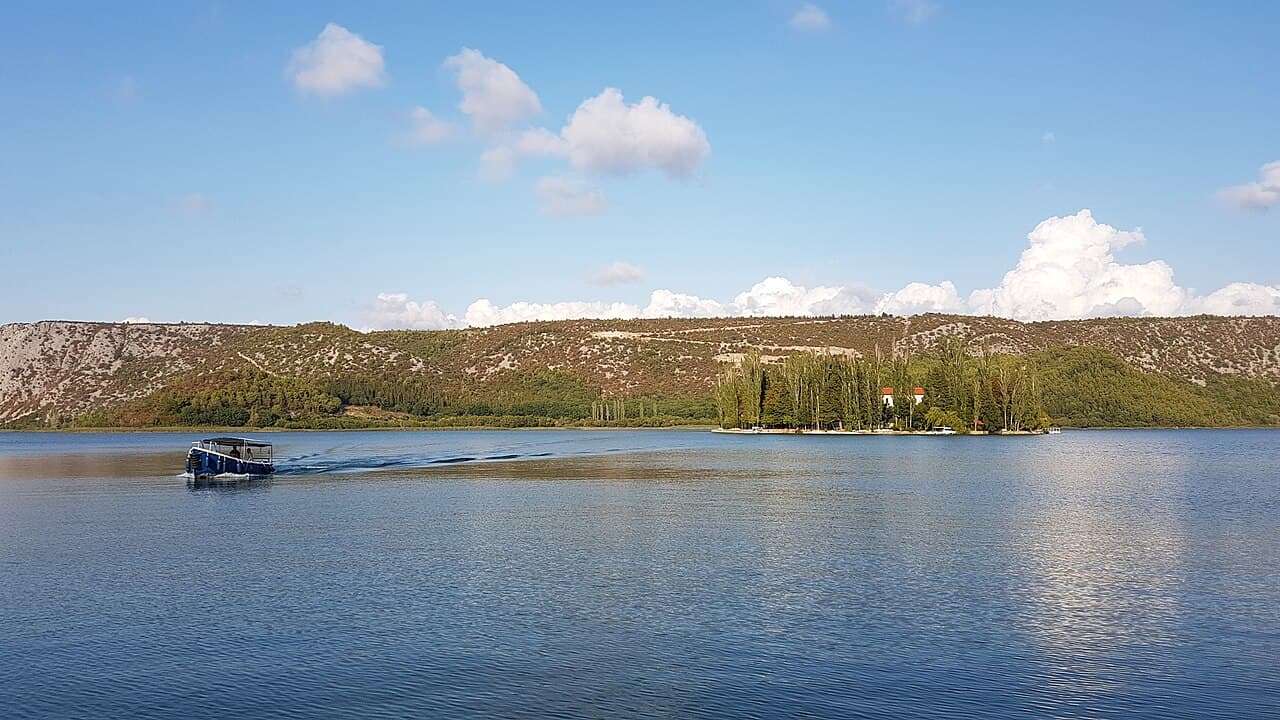
- Visovac Island: A Franciscan monastery on an island in the middle of Visovac Lake. You can take a park-organized boat tour (around 2 hours, ~€20-25 additional fee) from Skradinski Buk. These tours are great for solo travelers as they provide structure and a chance to meet others briefly.
- Roški Slap: Another magnificent waterfall complex, often visited via a longer boat tour (3.5-4 hours, ~€20-25 additional fee) that includes Visovac. It's also accessible by car if you rent one, with various hiking trails around it.
- Monastery Krka and Burnum Roman Amphitheater: These more remote sites are best reached by car or the longer park boat tours. They offer a deeper dive into the region's history for those with more time.
Best Time to Visit Solo
- Shoulder Seasons (April-May, September-October): These months offer the best balance. The weather is pleasant (average temperatures 18-25°C), crowds are smaller, and all park facilities are usually open. This is ideal for solo travelers seeking tranquility.
- Peak Season (June-August): Expect hot weather (average 28-35°C) and significant crowds, especially around Skradinski Buk. Park opening hours extend (e.g., 8 AM - 6 PM or even 7 PM), but the sheer volume of people can detract from the serene experience. If visiting in peak season, aim to arrive right at opening time (e.g., 8:00 AM) to enjoy a quieter experience.
05Accommodation Options for Solo Travelers in/near Krka
Choosing the right place to stay can significantly enhance your solo experience. Consider where you want to base yourself.
Skradin: The Charming Gateway
- Pros: Directly at one of the main park entrances, charming small town atmosphere, easy access to the boat ride, numerous restaurants and cafes. You can walk everywhere.
- Cons: Limited budget accommodation options compared to larger cities.
- Recommendations (2026 realistic data):
- Guesthouses/Apartments: Expect to pay €60-90/night for a private room in a well-rated guesthouse (e.g., Guesthouse Krka, Apartment & Rooms Danijela, typically 9.0+ ratings). These often offer a friendly, local feel.
- Hostels: Skradin has a few small hostels (e.g., Hostel Sv. Mihovil), with dormitory beds ranging from €40-55/night. Great for meeting other travelers.
Šibenik: City Vibes and Easy Access
- Pros: Larger city with more accommodation choices (hostels, hotels, apartments), vibrant nightlife, historic old town, direct bus connections to Skradin. Offers more activities beyond the park.
- Cons: Requires a short bus ride to Krka (20-30 min).
- Recommendations (2026 realistic data):
- Hostels: Many excellent hostels (e.g., Hostel 4 You, Hostels Jadran) with beds from €30-50/night, often with high ratings (8.5-9.2/10).
- Apartments: Plentiful options from €50-80/night.
Zadar or Split: Day Trip Bases
If you prefer to stay in a major city and do Krka as a day trip, Zadar and Split offer abundant solo-friendly accommodation and social opportunities.
06Solo Dining in Krka & Nearby Towns
Croatian cuisine is delicious and generally hearty. Dining alone is perfectly normal and accepted.
- Within Krka National Park
- There are a few casual eateries and souvenir shops near Skradinski Buk and Roški Slap. Expect higher prices for basic items (e.g., a sandwich for €8-12, a drink for €4-6). Consider packing a picnic lunch to save money and enjoy a meal with a view.
- Skradin
- Offers charming taverns (konoba) serving fresh seafood, traditional Peka (slow-cooked meat/octopus), and local wines. Expect a main course to be €18-30. Many places have outdoor seating, perfect for people-watching.
- Šibenik
- A wider range of restaurants, from fine dining to budget-friendly pizzerias and fast-food options. A casual meal will be around €18-25.
Ready for Your Solo Route?
Independent explorers wanting walkable boardwalks and straightforward transport will find this trip very manageable on their own. Sort out whether you want to base yourself locally in Skradin or Šibenik or take a day trip from a larger hub like Split or Zadar. Packing your own lunch before entering the park will also keep costs down along the trails.