01Best Time to Visit Slano: The Verdict
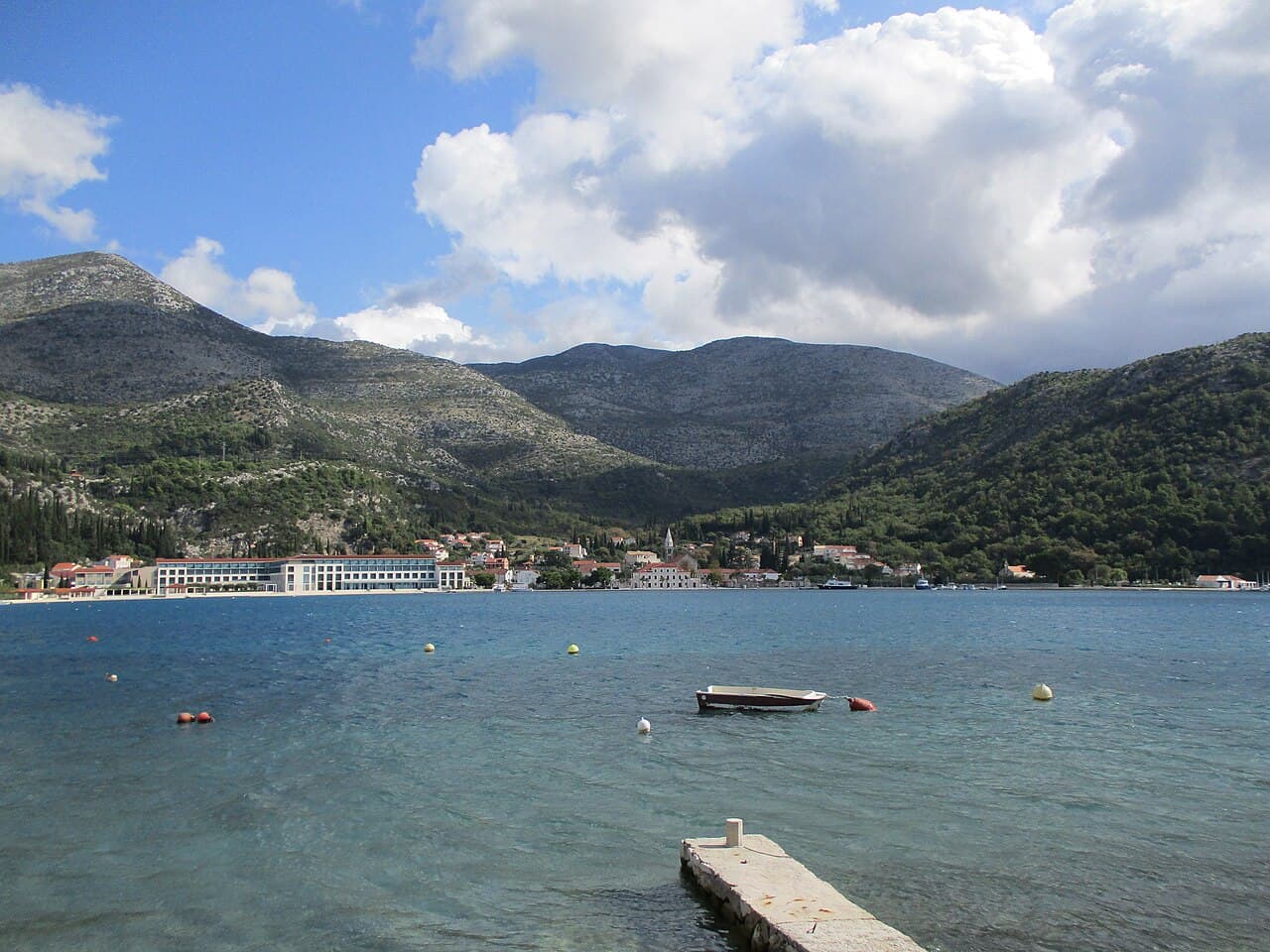
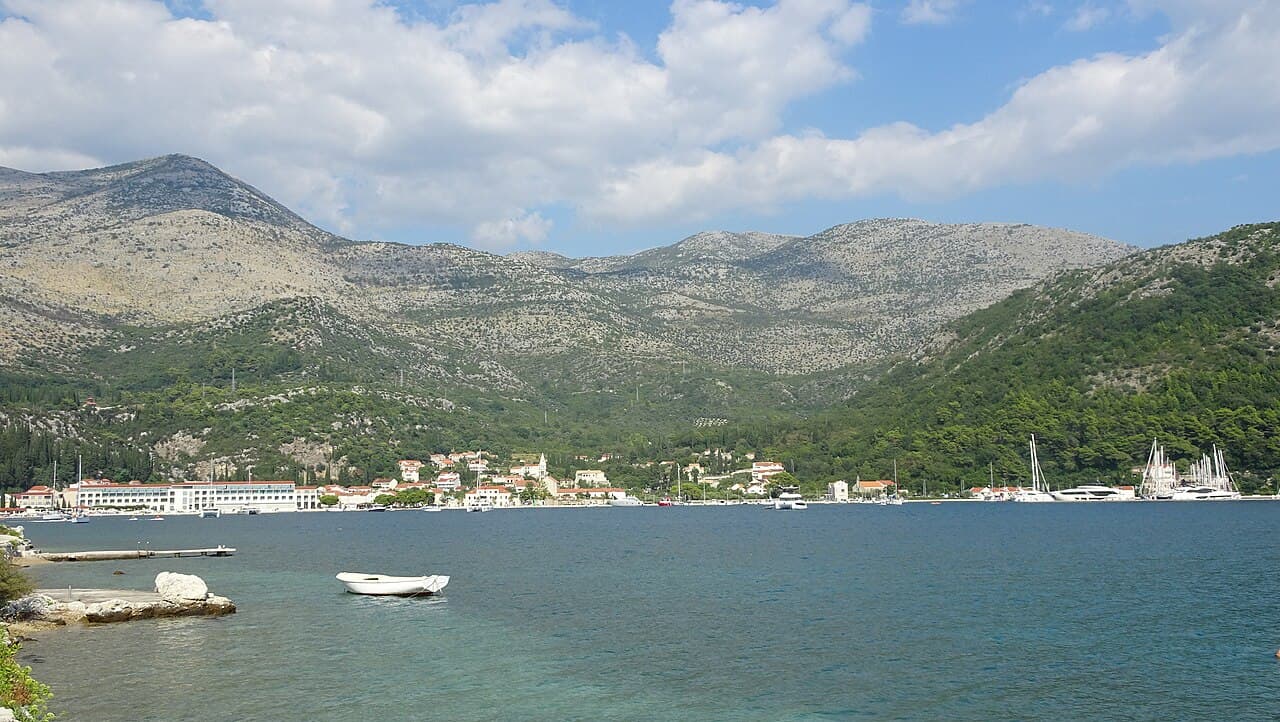
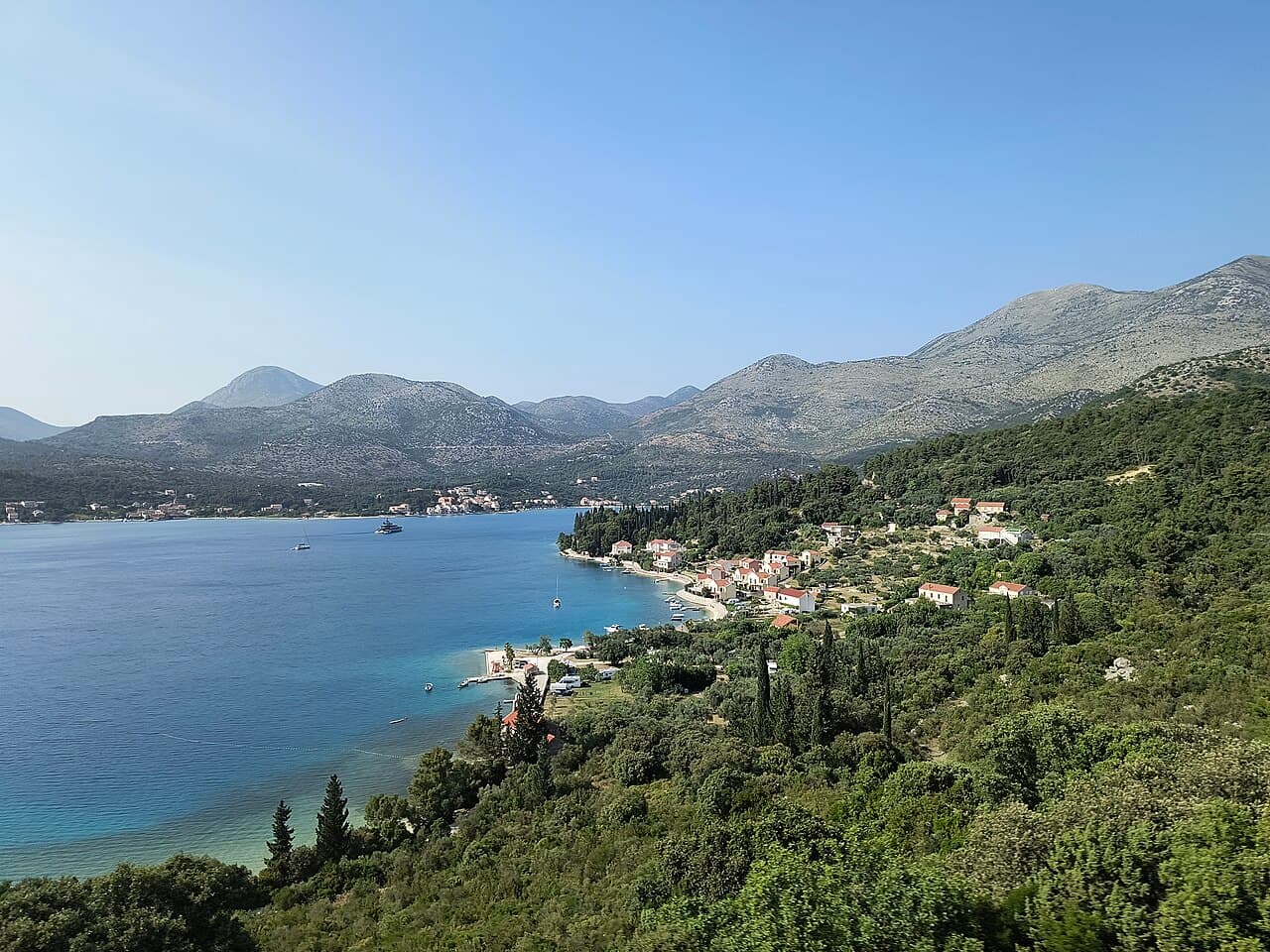
Slano is a small village on the Adriatic coast, about 40 km northwest of Dubrovnik and roughly 35–45 minutes away by bus. It sits in a deep, sheltered bay, which is why the water here warms earlier and stays calmer than on more exposed parts of the Dalmatian coast. The case for going is straightforward: late May to June, and September, give the best balance of warm sea, comfortable air temperatures, reasonable prices and room to breathe.
The broad logic of the seasons:
- Late May–June
- swimming becomes comfortable, days are long, and prices have not yet reached summer peak.
- July–August
- warmest sea and most reliable sun, but the highest prices, and Dubrovnik day-trip traffic is at its heaviest.
- September
- the sea is still around 23–24°C after a summer of heating, and prices start to ease.
- October
- still swimmable for many people, but the rainiest stretch of the year.
- November–April
- quiet and cheap, but not a beach trip.
This guide stays at the season level. For the detailed month-by-month climate and crowd breakdowns, see the dedicated weather and crowds guides.
02Best Time for Swimming and Beach Days
Sea temperature is the clearest dividing line in Slano. The water sits at roughly 14°C from January to March and begins climbing in April. It passes about 18–19°C in May, around 22–23°C in June, and peaks near 25°C in July and August. September remains about 23–24°C, and October falls to around 20–21°C.
Practical swimming windows:
- Comfortable for most people
- June to September.
- Possible for hardy swimmers
- mid-May and October.
- Not recommended
- November to April.
Slano's bay is shielded from wind, so water temperature depends mostly on sunshine and air temperature rather than on cold gusts. That gives the village a slightly warmer, calmer swim season than the open coast.
03Best Time for Good Prices
Croatia's public transport pricing shows where the "season" lines fall. On the Jadrolinija Dubrovnik–Koločep–Lopud–Šipan line, the 2026 adult fare from Dubrovnik to Koločep or Šipan was €3.40 in the off-season and €5.40 in the seasonal period, which ran from 29 May to 27 September. Child fares (ages 3–12) were about €1.70–2.10. Inter-island hops cost €2.50 off-season and €4.10 in season. Expect a similar structure in 2027, and check the Jadrolinija timetable before travel.
On the mainland, the bus from Slano to Dubrovnik typically costs about €3–6 one way, depending on operator and time of day. Booking ahead tends to get the lower fare.
Accommodation follows the same curve. Rooms and apartments are cheapest from November to April, rise through June, and peak in July and August. Late May, early June and mid-to-late September sit in the middle. Those are the weeks where the sea is warm enough and the price is not yet at its summer level.
04Best Time to Avoid Crowds
Slano is not a mass-tourism town. Its crowds are modest even in summer, and it works as a quieter base compared with Dubrovnik's Old Town. The pressure points are the places nearby: Dubrovnik, the Elaphiti ferries and the Trsteno Arboretum all feel busier in July and August. Late May, June and September give the same sights with noticeably more space.
If avoiding people matters more than swimming, April and October work. Expect shorter opening hours and fewer restaurants, as many seasonal places run reduced schedules or close.
05Seasonal Trade-Offs at a Glance
Spring (April to mid-May)
Green hills, cool air and cold sea. Good for walking, cycling the coast road and day trips. Not good for the beach. Seasonal venues are only beginning to open.
Early Summer (late May to June)
The best all-round window. Water is swimmable, daylight is long, and ferry fares may still be at the lower tariff before the 29 May start of the higher tariff. Book accommodation a few weeks ahead rather than months.
High Summer (July–August)
Best for guaranteed heat and the warmest water. Also the most expensive, the busiest for coastal driving on the Adriatic Highway (D8), and the hottest for sightseeing. Daily highs average about 30–31°C.
Early Autumn (September)
The strongest overall pick for travellers who want warm sea without peak pricing. The water holds summer heat while the air is milder.
Late Autumn and Winter (October–March)
October is the wettest part of the year, with heavier rain than the summer months. Winter days are mild, with daytime highs around 11–12°C, but the sea is cold and several restaurants and rentals close. This suits quiet stays, remote work and driving trips, not beach holidays.
06Local Tips for Timing a Visit
- Pick September over August. The sea is nearly as warm, and prices and traffic are lower. Rooms are easier to find at short notice.
- Use Slano as a base, not a day-trip stop. Dubrovnik is 35–45 minutes by bus, and the Trsteno Arboretum lies roughly halfway between the two. Spending nights in Slano can be cheaper than staying within Dubrovnik's walls.
- Check bus frequency before planning. Services thin out outside summer, and late-evening returns may not exist in the off-season.
- Reserve a car only if you need it. Parking in Dubrovnik is expensive and limited; the bus is the better choice for day trips.
- Skip peak August unless heat is the priority. It is the one month where the premium over June or September is hard to justify in a village this quiet. Spend the difference on a boat day to the Elaphiti Islands instead.
07How Long to Stay
Three to five nights is enough for Slano itself plus day trips to Dubrovnik, Trsteno and the Elaphiti Islands. A week suits swimmers who want a slow pace.