01What Is the Best Month to Visit Stari Grad?
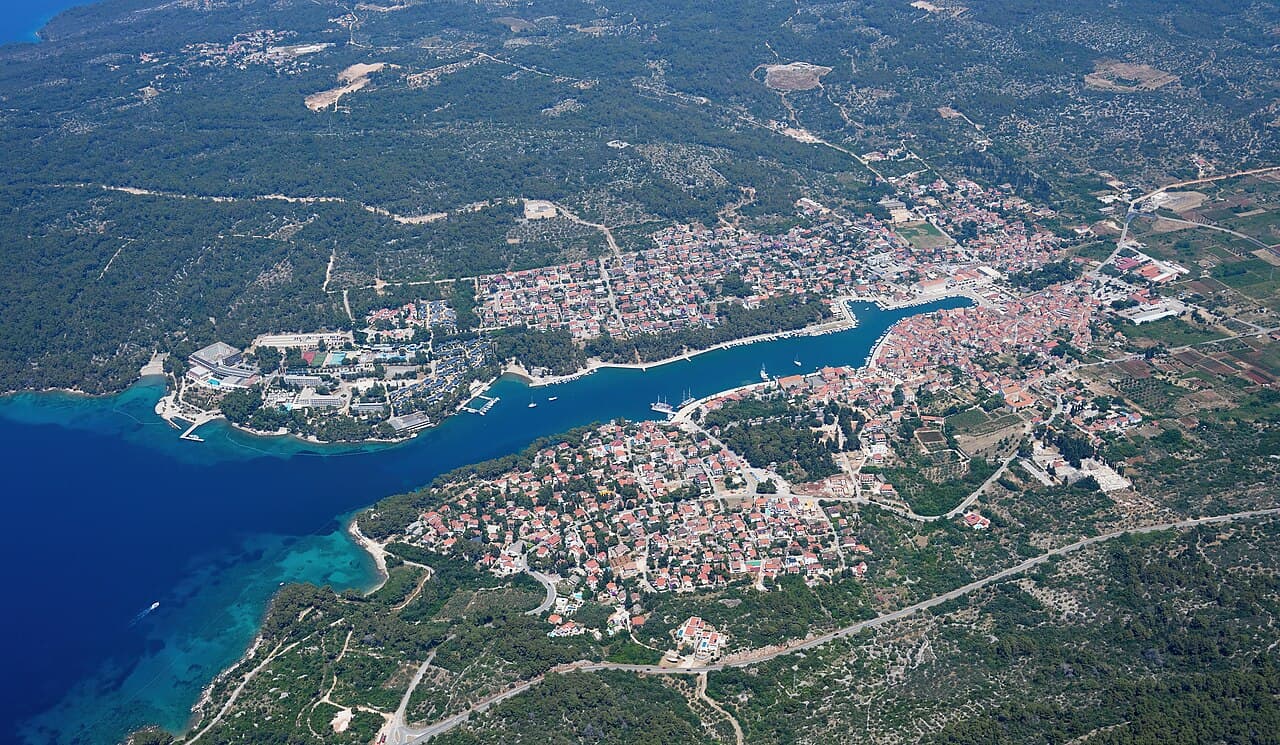
September is the strongest single choice, with late May and June close behind. Stari Grad is a working harbour town on the north coast of Hvar island, and unlike Hvar Town it stays fairly relaxed even in summer. Even so, July and August bring higher prices, full ferries and packed accommodation. The shoulder seasons give most of the summer benefits at a noticeably lower cost.
This guide compares seasons as a whole. For detailed monthly climate and crowd breakdowns, see the separate weather and crowd guides.
02Seasonal Verdict at a Glance
| Season | Weather | Crowds | Prices | Verdict |
|---|---|---|---|---|
| Late May–June | Warm, sunny, sea still cool | Moderate | Mid | Excellent |
| July–August | Hottest, around 27°C average high in August | Highest | Highest | Good, with trade-offs |
| September–early October | Warm, sea at its warmest | Moderate to low | Mid to low | Best |
| November–March | Cool and wet, around 12°C in February | Very low | Lowest | Only for solitude |
Stari Grad receives roughly 2,720 hours of sunshine a year, and the climate is comfortable from May to October.
03Why Late May to June Works
- Temperatures suit walking, cycling and hiking. The UNESCO-listed Stari Grad Plain, a Greek-era field system dating to around 384 BC, is much easier to explore by bike before the summer heat.
- Most restaurants, rental shops and konobas are open, and the town is not yet full.
- Late June is lavender season. The Lavender Festival in Velo Grablje, in the hills above the coast, falls around then.
- The sea is swimmable but cooler than in September.
The drawback is the sea temperature. Anyone who wants warm water should favour September.
04Why September Is the Best Overall Choice
September has the warmest sea of the year, because the water has been heating since spring. Day-trippers thin out, accommodation rates drop from their August peak, and the grape harvest begins on the island. Wine tastings on the plain are easier to book then. Early October also works, though some seasonal businesses begin closing, so check opening dates before booking.
05When Peak Summer (July–August) Makes Sense
July and August suit travellers tied to school holidays or those who want the longest evenings, outdoor concerts and a lively harbour. Stari Grad copes with the season better than Hvar Town, which is known for its party scene. Still, expect:
- Full car ferries from Split, which makes pre-booking vehicle space sensible.
- The highest accommodation rates of the year, and bookings that fill months ahead.
- Midday heat that makes the Plain and Glavica Hill hard work. Plan outdoor activity for early morning.
One point in summer's favour: from mid-July to mid-August the sun sets directly into the sea as seen from Glavica Hill.
06Is Winter a Good Time to Visit?
Winter suits only a narrow group. Many restaurants, shops and rental businesses close from roughly November to March, and ferry service drops to a few daily sailings. The town is quiet, accommodation is cheapest, and daytime temperatures hover around 12°C in February. It is a poor choice for beach holidays or cycling tours but workable for a slow, cheap stay.
07Ferry Prices by Season
Pricing is one of the clearest seasonal differences. The Jadrolinija car ferry (line 635) from Split to Stari Grad takes about 1 hour 50 minutes, and 2026 fares were:
| Ticket | Off-season | High season (29 May–27 Sep 2026) |
|---|---|---|
| Adult | €5.90 | €8.40 |
| Child 3–12 | €3.00 | €4.20 |
| Standard car | €35.60 | €47.60 |
| Motorcycle | €10.10 | €14.00 |
| Bicycle | €5.70 | €8.10 |
A driver with one car pays €41.50 off-season or €56.00 in the high season. A Jadrolinija catamaran also runs to Stari Grad, taking about 1 hour and costing around €9.70 per adult in season. Check 2027 fare tables on the Jadrolinija site, as dates and prices are usually updated each year.
08Insider Tips for Timing a Visit
- Aim for the ferry window. Booking a stay just after 27 September can cut the crossing cost, and the weather remains warm.
- Choose Stari Grad over Hvar Town in July and August. It is quieter, and a local bus connects the two towns, running from roughly 06:30 to 22:30. Hvar Town is about 20 minutes away by car.
- Book three to five nights. That is enough to cover Hvar Town, Vrboska, Jelsa and the south-coast beaches as day trips.
- Take the first ferry in summer. The earliest departures from Split avoid the worst queues for vehicles.
- Skip the midday peak. Visit Tvrdalj, the fortified Renaissance residence of poet Petar Hektorović, in the morning, and keep afternoons for swimming in the quieter coves around the bay.
09Final Recommendation
Book September for the best balance of warm sea, manageable crowds and reasonable prices. Choose late May or June for cycling, hiking and the lavender bloom. Reserve July and August only if swimming and a busy evening scene matter more than cost. Winter is a niche option and not recommended for a first visit.