Istria

Brijuni

Plan a trip to Brijuni National Park. Guide to hotels on Veliki Brijun, staying in Fažana, ferry schedules, parking, and driving from Central Europe.

Best months
June to September
Sea temp in August
25°C - 26°C
Nearest airport
Pula (PUY), 13 km from Fažana ferry
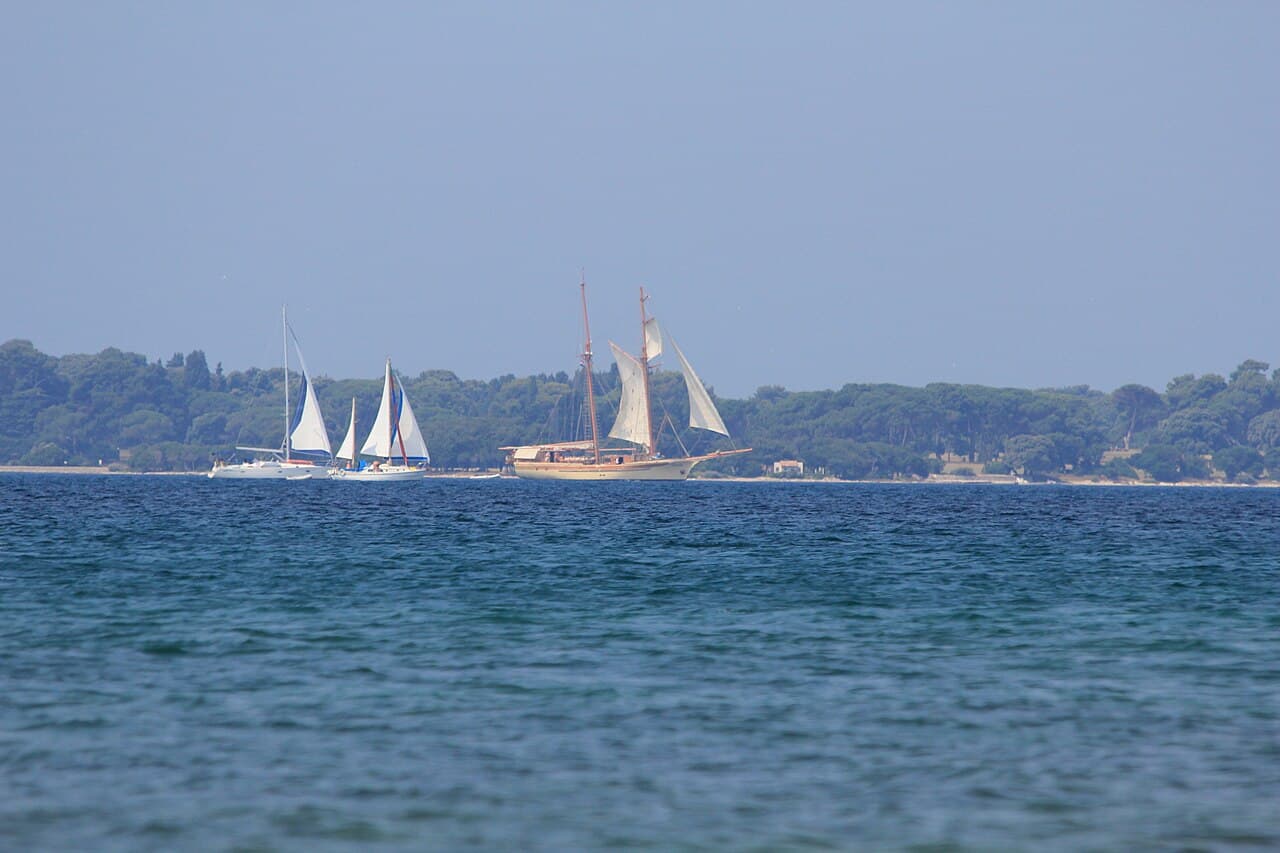
Brijuni National Park coastal nature

Main beach type

Pebble and rocky with concrete platforms

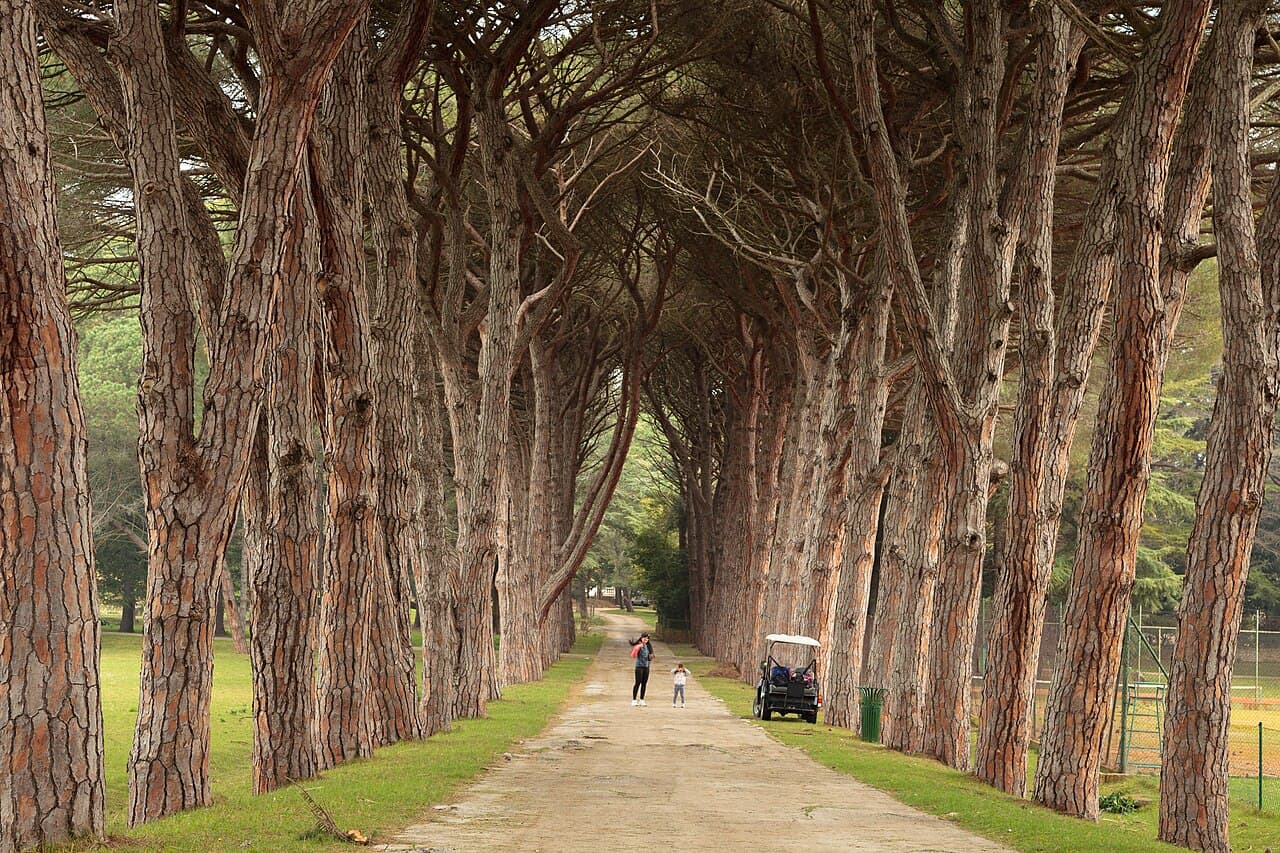
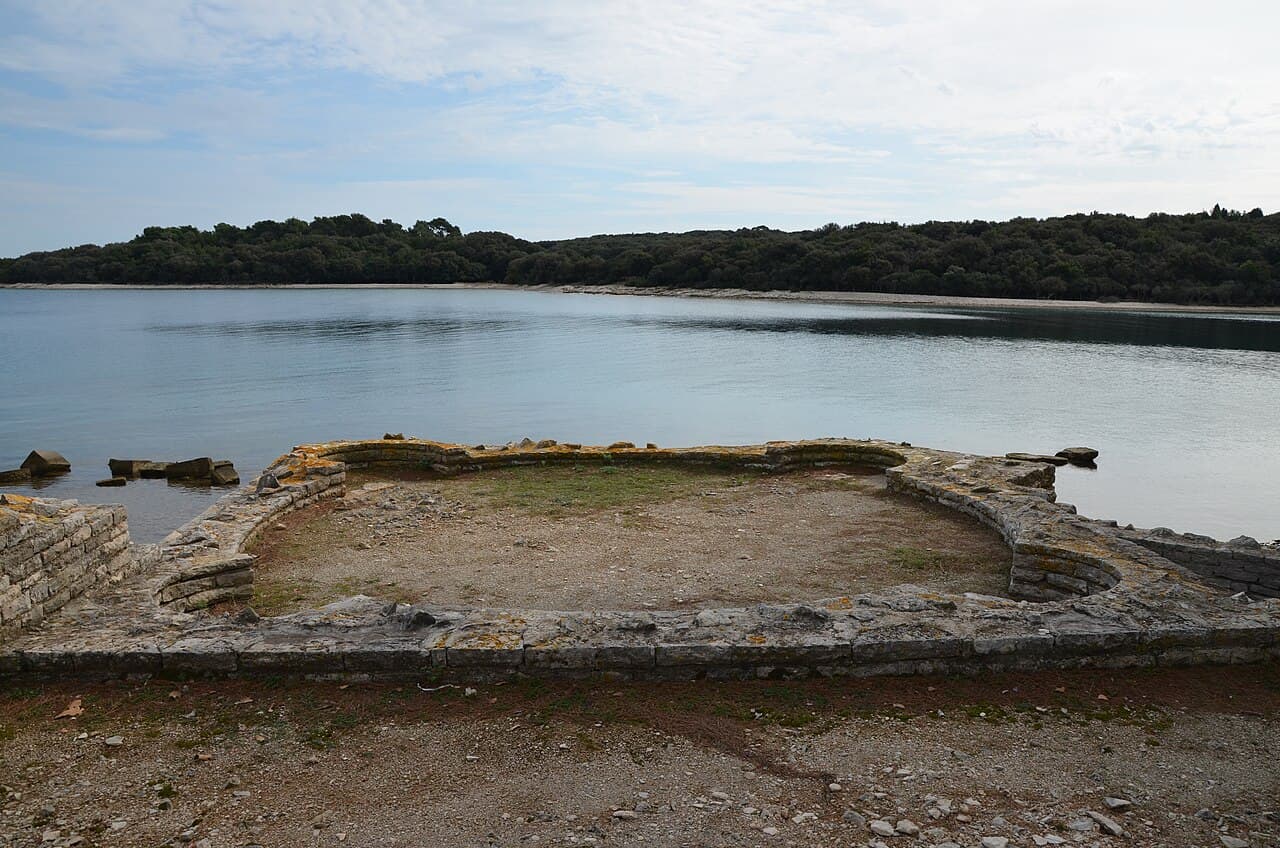
Brijuni is an archipelago and national park off the western coast of Istria, accessible via a 15-minute ferry from the mainland town of Fažana. It appeals to travelers interested in nature, Roman ruins, and a quiet, car-free environment. The main island, Veliki Brijun, holds the park's limited accommodation and primary attractions, including an open-air safari park, ancient olive trees, and dinosaur footprints.

Visiting is most practical from May to September when the ferry schedule is frequent and park facilities operate at full capacity. Since vehicles are not permitted on the islands, visitors must park in Fažana and rely on walking, rented bicycles, or electric carts to navigate Veliki Brijun. Those prioritizing budget or mainland day trips typically stay in Fažana or nearby coastal villages.

At a glance

Best months
June to September
Sea temp in August
25°C - 26°C
Nearest airport
Pula (PUY), 13 km from Fažana ferry
Main beach type
Pebble and rocky with concrete platforms
Price level
Higher than the Croatian average
Car-free status
Islands are strictly car-free (vehicles left in Fažana)

Where to stay in Brijuni

Veliki Brijun (The Island)

Staying directly on the main island requires booking one of the few state-run hotels or villas near the port. The area is completely car-free, exceptionally quiet after day-trippers leave, and provides immediate access to the park's walking trails and historical sites.

Best for:
Visitors wanting to stay inside the national park
Parking:
No cars allowed; paid parking in Fažana
Beach:
Rocky and pebble beaches (Saluga Beach) within walking distance

Fažana

This mainland coastal town is the official gateway to Brijuni National Park. It offers a wide range of private apartments, restaurants, and direct access to the passenger ferry, making it practical for those exploring the wider Istrian peninsula.

Best for:
Base for daily ferry trips, travelers needing vehicle access
Parking:
Public pay-and-display lots and private hotel parking
Beach:
Pebble beaches (San Lorenzo, Bi Val) along the town coast

Peroj

Located a few kilometers north of Fažana, Peroj is a quieter, residential village. It provides a more affordable alternative to Fažana while remaining close enough for a short drive or bike ride to the Brijuni ferry terminal.

Best for:
Budget-conscious travelers and families
Parking:
Mostly free parking at private accommodations
Beach:
Long stretches of pebble beach 1-2 km from the center

Pula (Štinjan)

The Štinjan neighborhood sits directly across from the Brijuni islands, south of Fažana. This area combines easy access to the historical sites of Pula with direct views of the national park.

Best for:
Travelers wanting city amenities and proximity to the park
Parking:
Available at campsites and private rentals
Beach:
Pebble coves (Hidrobaza) facing the Brijuni archipelago

Getting to Brijuni

Munich

By car: 560 km, 6-7 hours. A8 to Salzburg, A10 (Tauern tunnel), Slovenia A1 to Koper, Croatia A9 to Vodnjan/Fažana. Requires Austrian and Slovenian vignettes, tunnel tolls, and Croatian tolls.

Other options: Direct seasonal flights to Pula, or overnight FlixBus to Pula followed by a local bus to Fažana.

Vienna

By car: 580 km, 6 hours. A2 south via Graz, into Slovenia (Maribor, Ljubljana, Koper), then Croatian A9 to Fažana. Requires Austrian and Slovenian vignettes and Croatian tolls.

Other options: Direct flights (Austrian Airlines, Ryanair) to Pula, or direct bus to Pula.

Budapest

By car: 600 km, 6-7 hours. M7 to the Croatian border, A4 to Zagreb, A6 to Rijeka, then A8/A9 through Istria. Requires Hungarian vignette and Croatian tolls.

Other options: Direct bus (FlixBus) to Pula, or train to Zagreb connecting to a Pula bus.

Ljubljana

By car: 200 km, 2.5 hours. A1 highway towards Koper, crossing the border at Dragonja, then Croatian A9 to the Vodnjan exit. Requires Slovenian vignette and Croatian tolls.

Other options: Direct bus or seasonal train connection to Pula.

Prague

By car: 880 km, 9.5 hours. D1 to Brno, Austria A5/A2 via Vienna and Graz, Slovenia A1, Croatia A9. Requires Czech, Austrian, and Slovenian vignettes, plus Croatian tolls.

Other options: Direct seasonal flights to Pula, or direct FlixBus to Pula.

Kraków

By car: 1,030 km, 11 hours. A4 to Katowice, Czech A1 to Brno, Austrian A5/A2 to Graz, Slovenia A1 to Koper, Croatia A9. Requires vignettes for CZ, AT, SI, and tolls in HR.

Other options: Flight to Pula with a layover (e.g., via LOT), or long-distance bus to Pula.

When to go

The Brijuni archipelago is open year-round, but visitor services are highly seasonal. May to September brings the best weather for swimming, with August sea temperatures peaking at 26°C. July and August are the most crowded and expensive months, requiring advance booking for both ferry tickets and island hotels. In the shoulder months of May, June, and September, prices drop slightly and the weather remains warm enough for outdoor activities. From November to March, the ferry runs on a reduced schedule, most island hotels close, and guided tours are less frequent, though the park remains accessible for winter walks.

Brijuni guides

Brijuni FAQ

Is Brijuni worth visiting?

Yes, it is worthwhile for those interested in a mix of nature, Roman history, and a quiet, car-free environment. Day trips offer enough time to see the main sights via the tourist train, while overnight stays appeal to travelers seeking isolation after the last ferry leaves.

How many days should I spend in Brijuni?

A single full day is sufficient to see the main attractions on Veliki Brijun, including the safari park, dinosaur footprints, and Roman villa. Visitors who choose to stay on the island usually book 2 to 3 nights to relax and cycle the extensive trails.

Which is the best beach in Brijuni?

Saluga Beach is the primary and most accessible beach on Veliki Brijun, featuring a sandy seabed, pebble shores, and shaded pine areas. It is equipped with sunbeds, showers, and a restaurant, making it practical for families.

Do I need a car in Brijuni?

No, cars are strictly prohibited for visitors on the Brijuni islands. You must park your vehicle on the mainland in Fažana and use the passenger ferry; on the island, getting around is done on foot, by bicycle, or by renting an electric golf cart.

Where should I park to visit Brijuni?

Visitors must park in the mainland town of Fažana. There are multiple public, open-air municipal parking lots near the ferry terminal, which charge hourly or daily rates, as well as some private parking fields a short walk from the port.

Is Brijuni good for families?

Yes, Brijuni is highly suitable for families due to the lack of car traffic and the presence of flat cycling paths. Children typically enjoy the open-air safari park, the dinosaur footprints, and riding the miniature tourist train that circles the island.

Explore Nearby

More destinations in Istria

Check Availability for Your Chosen Location

If you've already decided which area suits you, check availability below.

Find accommodation

Brijuni

Powered by Booking.com