01How to Get to Brijuni
Brijuni is a national park of 14 islands off the southwest coast of Istria. Independent visitors reach it from the village of Fažana, about 8 km north of Pula and roughly 6 km from the nearest islands. The park runs its own boat to Veliki Brijun, the main island, and the crossing takes about 15 minutes.
From Pula, Fažana is a 15-minute drive or a short bus ride. Parking in Fažana fills up in July and August, so arrive early or park further from the harbour and walk.
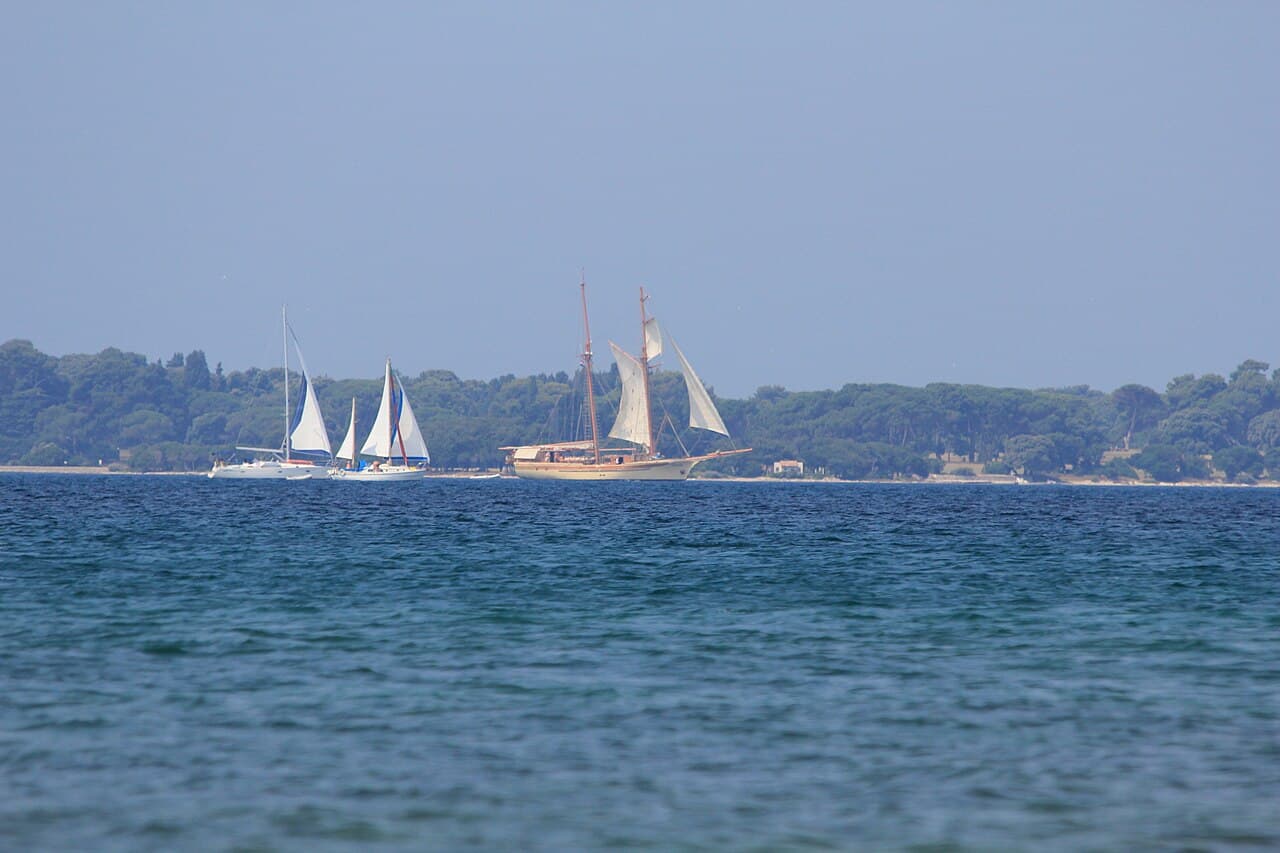
Private tour boats also depart from Fažana and Pula. They circle the archipelago and may stop at the small island of Sveti Jerolim, but they cannot dock at Veliki Brijun. Only the park boat lands you at the main island.
02Brijuni Ticket Prices 2027
Prices below follow the 2026 tariff, and 2027 rates should be checked on the park's website before booking.
- Guided excursion, adult: €50 (1 June–30 September), €35 (October–May)
- Students and over-65s: €40 in summer, €30 off-season
- Children 7–18: €20 in summer, €15 off-season. Under 7 is free.
- Self-guided with the Brijuni Pocket Guide app: €40 in summer, €30 off-season
- Summer evening entry from 6 pm: about €15
The ticket covers the return boat, insurance, the guide, the tourist train, the safari park and the museum displays. The visit runs in a fixed four-hour slot. Bikes, golf carts and food are paid separately.
03One-Day Brijuni Itinerary (Standard Route)
Morning: Boat and Arrival (about 09:00–10:00)
Choose the earliest departure that fits your schedule. Morning slots are cooler and the island is quieter before tour groups arrive. Check the timetable at booking, because slot times change by season.
Hour 1–2: Tourist Train Tour
The electric tourist train is the core of the guided visit. It covers the main sights of Veliki Brijun, which is about 5.6 km long. Main stops are:
- Safari park
- Animals here came as diplomatic gifts to Yugoslavia's president Josip Broz Tito. They include zebras, llamas and Somali sheep. An Indian elephant given in the 1970s died in 2010, so the animals you see today are mainly descendants of other gifts and later arrivals.
- Roman villa at Verige Bay
- The ruins of a large Roman coastal estate from the 1st century BC are spread along the bay.
- Byzantine Castrum
- Remains of a 6th-century fortified settlement stand on the island.
- St. Germain church
- A 15th-century church with Gothic frescoes. It is a small, quiet stop.
- Olive tree
- One olive tree on the island is estimated at about 1,600 years old and still bears fruit.
Hour 3: Museums and Tito Exhibition
The Tito on Brijuni exhibition covers the period when the islands served as the president's official summer residence. Photographs show him with foreign leaders and film stars. Vehicles from the period, including his Cadillac, are displayed nearby. Another display, the Natural History Museum, covers the archipelago's ecosystems.
Hour 4: Free Time and Return
Use the free time for a coffee near the harbour, a short walk to the hotel area or a swim at a designated beach. Take the return boat on time, since the ticket is tied to its slot.
04Self-Guided Alternative: Bike the Island
Bikes can be rented on Veliki Brijun and are the best way to cover ground outside the train route. The island is flat. A loop from the harbour to the Roman villa is about 6–8 km one way, depending on the route. Bike rental costs roughly €10–15 for the visit, so confirm the rate on arrival. Golf carts are also available for hire.
The four-hour slot is tight. A rider who lingers at the Roman ruins will not finish the train sites as well, so choose one approach and stick to it. Don't try both.
05Half-Day Option: Boat Cruise Instead of Landing
Tour boats from Fažana cost from about €16 for a 1.5-hour panorama or glass-bottom trip. Dolphin and sunset cruises cost from about €30 and run about 2 hours. A full-day boat trip with lunch and park entry is about €70.
These trips suit visitors with limited time or a small budget. The trade-off is that you skip the safari park and the museums. Dolphin sightings are not guaranteed and are most often reported in summer.
Tour operators usually do not include park entrance. Entrance to Sveti Jerolim is about €7 for adults and €3-4 for children aged 7–18. Entrance to Veliki Brijun on some boat trips is about €8. Carry cash for this fee, as it is often collected on arrival.
06Where to Eat and Stay
Food on the island is limited to a few cafés and restaurants near the harbour. Expect higher prices than in Fažana, and a plain sandwich or pizza costs more than on the mainland. Bring water and snacks, and carry sunscreen.
The island has hotels, but they are expensive. Most visitors stay in Fažana or Pula and visit for the day. Fažana's waterfront has several konobas serving grilled fish, and its sardine festival is held in June.
Don't believe the idea that you need to stay overnight on Brijuni. The four-hour day visit covers every major site, and the mainland costs far less.
07Best Time to Visit
| Season | Conditions |
|---|---|
| April–May | Mild weather, cheaper tickets, fewer visitors |
| June–August | Warm sea, highest prices, crowded boats |
| September | Warm sea, quieter, summer price until 30 September |
| October | Lower ticket price from 1 October, cooler days |
Spring and early autumn suit the walking and cycling plan best. July and August are hot, and the open-air train and shadeless roads are tiring at midday. If your visit is in summer, book the first boat.
08Practical Tips
- Book ahead in July and August, as popular slots sell out.
- Take a passport or ID, as it may be requested at the pier.
- Wear walking shoes and bring a hat. Shade is limited on the Roman villa route.
- Pets are not allowed on the island in most cases, so check the park rules before bringing one.
- Combine Brijuni with a trip to Pula's Roman amphitheatre, about 15 minutes away, for a full-day Istria plan.
- The sunset cruise from Fažana (departures around 6 pm) is a good add-on if you can't fit the park slot.
The cheap boat cruise is tempting, but it is not a substitute for landing. Skip the landing only if time or budget forces it, because the safari park and Roman site are what make Brijuni distinct.