01Which Day Trips From Osijek Are Worth It?
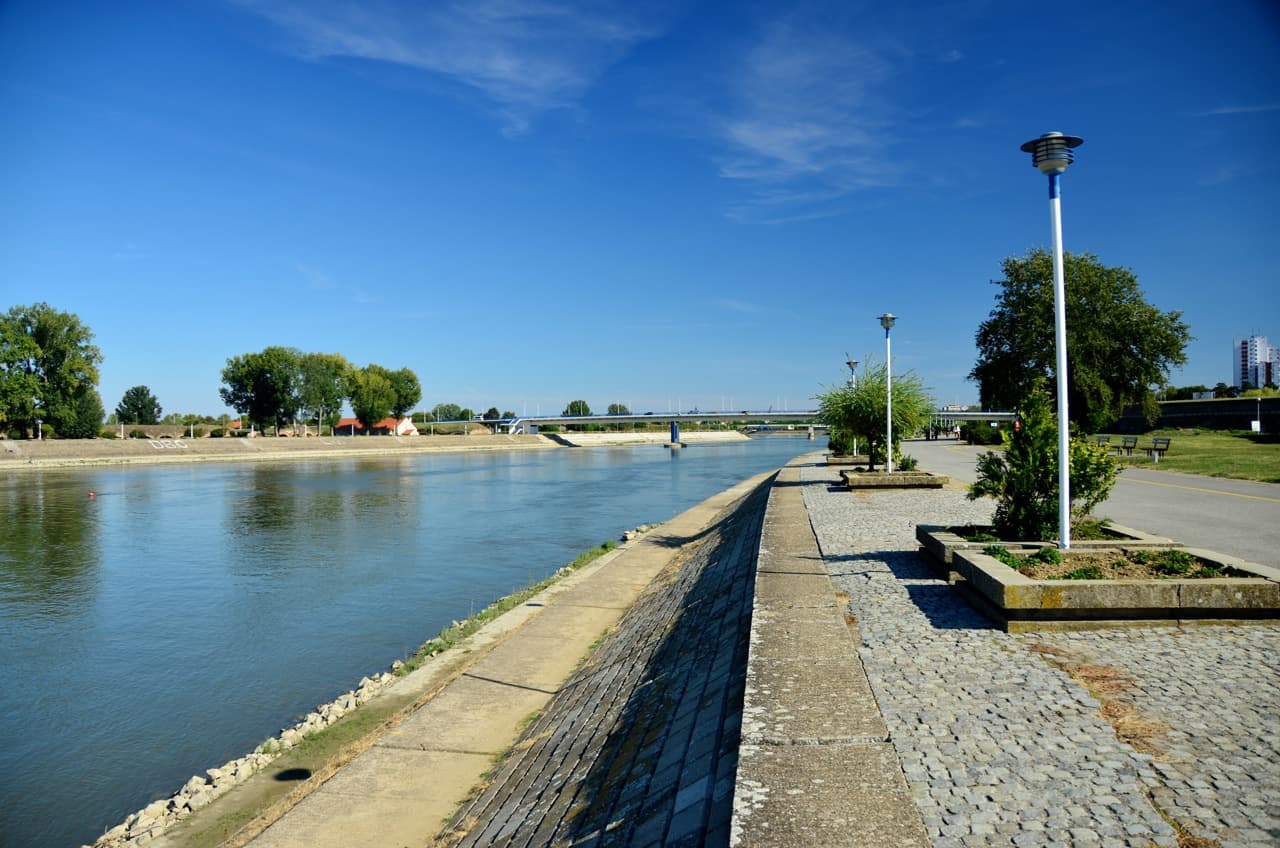
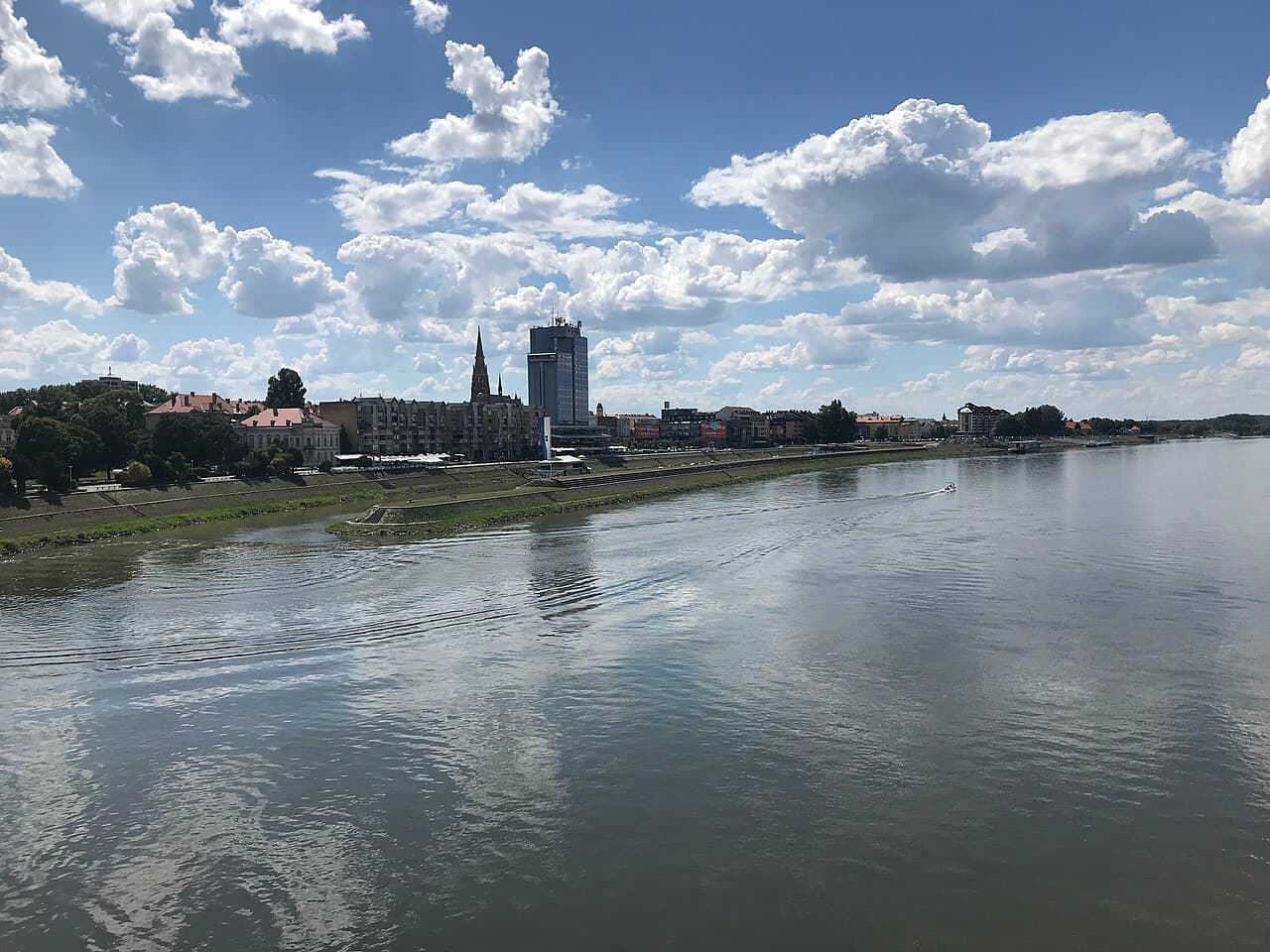
Osijek sits in the far east of Croatia, close to the Danube, the Drava and the Hungarian and Serbian borders. Most of the useful excursions fall inside a 100 km radius: wetlands to the north-east, wine hills in Baranja, the Danube towns of Vukovar and Ilok to the east, and the cathedral town of Đakovo to the south-west. Roads are flat and quiet. A rental car gives the most flexibility, but three of the seven trips below work by bus.
02Kopački Rit Nature Park (12 km)
Kopački Rit is one of the largest preserved wetlands in Europe. It lies where the Drava meets the Danube, and it is the single best half-day trip from Osijek.
- Entry
- €3 per person for the basic park ticket.
- Boat tours
- The standard boat tour of Veliki Sakadaš lake costs about €12–15 including entry and lasts 40–60 minutes. Departures run around 10:00, 12:00, 14:00 and 16:00 in season.
- Small boat and canoe tours
- A guided small boat costs about €30 per person per hour. Canoe tours cost €30 for one hour and €50 for two.
- Winter option
- From mid-November to mid-March the park runs a train ride, priced at about €9 with entry.
- Tikveš Castle
- The former hunting residence of Josip Broz Tito lies inside the park and has a small museum.
Insider tips: Book the boat in advance by phone or email through the park reception, because places are limited. Arrive about 30 minutes before departure to pick up the entry ticket, and note that the boats are a short walk or drive from the ticket point. Water levels change by season. Spring floods give the most dramatic scenery, while late summer can leave parts of the marsh dry. Late September to October is the red deer rut, with special guided tours.
There is no regular public bus that fits a boat schedule well. A taxi or car is the practical option, and the park can also be combined with Baranja villages in one day.
03Baranja Wine Road (20–50 km)
The Baranja region, north of Osijek, is a hilly area of vineyards and small family cellars. The main villages are Zmajevac, Suza, Kneževi Vinogradi and Batina. Graševina is the main white grape, and Baranja cellars also pour Traminac, Frankovka and Cabernet.
- Zmajevac is known for its rows of small stone cellars (called gudure) and its Kopački Rit-facing viewpoints.
- Batina has a large monument on a Danube-side hill, commemorating the 1945 Battle of Batina, with a wide view across the river into Serbia.
- A tasting with snacks at a family cellar usually costs about €8–20 per person. Call ahead, as many cellars only open for pre-arranged visits outside weekends.
The driver cannot taste. Organize a driver, a local tour or a taxi for the day. Combining Kopački Rit in the morning and a cellar visit in the afternoon is the most efficient plan.
04Vukovar (35 km)
Vukovar is the largest Croatian town on the Danube and the most significant war memorial site in the region. It was besieged for 87 days in 1991, and the signs are still visible.
- Water Tower
- The damaged tower is kept as a memorial and has a viewing platform.
- Vučedol Culture Museum
- About 5 km from the centre, it covers the Copper Age Vučedol culture and its famous dove-shaped vessel. Plan one to two hours.
- Ovčara Memorial
- Located on the outskirts, it marks the site where prisoners from Vukovar hospital were killed. Visit with respect and allow time.
- Eltz Manor and city museum
- An 18th-century manor in the old centre, reconstructed after the war.
Buses run from Osijek to Vukovar throughout the day, taking about 50 minutes and costing roughly €5–7 one way. Check the return timetable before heading out, since late-evening services are limited. Allow five to six hours for a proper visit.
05Đakovo (35 km)
Đakovo is the best day trip for architecture and horses. The red-brick Cathedral of St. Peter, built in the second half of the 19th century under Bishop Josip Juraj Strossmayer, has two tall towers and an interior painted in the Nazarene style. Entry is free, though donations are welcome.
The Đakovo Lipizzaner Stud Farm is one of the oldest in Europe and keeps both horses and a historic stable complex. Visits to the stables are best arranged ahead, and the group price depends on the programme.
Each year in early July, the Đakovo Embroidery festival (Đakovački vezovi) fills the town with folk costumes, parades and horse shows, but accommodation tightens. Regular buses connect Osijek and Đakovo in about 40–50 minutes for about €3–5.
Train service is slower than the bus. Use the bus.
06Ilok (about 75 km)
Ilok is the easternmost town in Croatia, on a hill above the Danube, facing Serbia. Its medieval walls and fortress, the Odescalchi Castle and the Franciscan monastery of St. John Capistran make a compact old town. The town is also a recognized wine region with some of the oldest cellars in the country, which hold historic vintages in long underground tunnels.
- Cellar tours with tastings usually cost about €10–25, depending on how many wines are included.
- The Principovac estate, just outside town, offers a quieter, vineyard-focused stop.
- Traminac is the signature wine of the area. Graševina is also widely poured.
Buses from Osijek to Ilok take around two hours with a change or a long route, so a car is much more practical. Plan six to eight hours including the drive.
Combine Vukovar and Ilok in one long day only if starting early. Otherwise, the two deserve separate days.
07Valpovo (25 km)
Valpovo is a short trip to the west, built around a castle that was once the seat of the Prandau-Normann noble family. The castle is partly a museum and partly in renovation, and it stands in a calm park. It is a good half-day option with a coffee stop and fits well with a visit to the Bizovac thermal spa (about 20 km from Osijek) if swimming matters more than sightseeing.
Skip Valpovo if there is only a single day free and the choice is between it and Kopački Rit or Vukovar. The attractions are modest by comparison.
08Pécs, Hungary (95 km)
Pécs is across the border and is the most unusual option. Highlights include the Early Christian Necropolis (a UNESCO site), the Ottoman-era Mosque of Pasha Qasim (now a church) and the Zsolnay porcelain quarter. The drive takes about 1 hour 30 minutes via the Udvar crossing, which is within the Schengen area, so border checks should be minimal. Hungary uses the forint. Many cafes accept cards, but carry some local cash for parking and small purchases.
09How to Get Around Without a Car
- Bus
- Reliable for Vukovar and Đakovo. Buy tickets at the Osijek bus station or from the driver.
- Taxi
- A return taxi to Kopački Rit is the cheapest option for two or more people. Agree on a waiting time and price first.
- Organized tours
- Available in season for Kopački Rit and Baranja wine. Useful if wine is the main goal.
- Car hire
- Roads are good and parking is rarely a problem outside Vukovar's centre.
10Best Time to Go
Spring (April–June) is best for bird migration and green countryside. September and October bring grape harvest, the deer rut and mild temperatures. July and August are hot, often above 30°C, and mosquitoes around the wetlands can be intense, so pack repellent. Winter is quiet, but Vukovar, Đakovo and wine cellars remain open.
11Sample One-Day Plans
- Nature and wine
- Kopački Rit boat tour at 10:00, lunch in a Baranja village, cellar tasting at Zmajevac, Batina viewpoint at sunset.
- History
- Vukovar Water Tower, Vučedol museum, riverside lunch, return by bus.
- Culture
- Đakovo cathedral in the morning, stud farm after lunch, back by evening.