01Where Is Osijek and How Long Do You Need?
Osijek is the largest city in Slavonia, the flat, agricultural region of eastern Croatia. It sits on the Drava river, roughly 30 km from the Serbian border and 40 km from the Hungarian border area by road. The city has about 100,000 residents. Visitors on a coast-focused one-week trip will find it a poor fit. For a mainland city break, two to three days is the right length.
Osijek costs noticeably less than Dalmatia. A realistic daily budget is €40–€80 including a mid-range room, restaurant meals and local transport.
02How to Get to Osijek
From Zagreb
Trains and buses from Zagreb take roughly 3 to 4 hours. The bus is usually quicker and more frequent, and tickets typically cost around €12–€20 depending on the operator. The train is slower but comfortable, and a useful option if the schedule fits.
By air
Osijek has a small airport (OSI), but route choices are limited and change by season. Most international visitors fly into Zagreb or Budapest and continue by road. Budapest is about 4 to 5 hours away by bus or car.
From the station to the centre
The main bus and train stations sit close together. Trams run past them into the centre. A taxi to Tvrđa is a short ride, and Bolt works in the city.
03Best Areas to See on a First Visit
Tvrđa: the old fortress town
Tvrđa is a Baroque military complex built by the Habsburgs in the early 18th century, on the right bank of the Drava. It is the first stop for any visitor. The central square holds the Holy Trinity plague column, and the surrounding buildings house the Museum of Slavonia, university departments, cafés and restaurants. Walking the square and the ramparts is free. Allow 2 to 3 hours.
The Church of St Michael (Jesuit church) in Tvrđa is worth a short look for its interior.
Tvrđa is quiet on weekday mornings and livelier in the evening, when terraces fill. Staying inside Tvrđa gives easy access to the sights, but the lower town has more shops and a wider choice of everyday restaurants.
Lower Town (Donji Grad) and Upper Town (Gornji Grad)
The lower town has Art Nouveau and Secession facades along Europska avenija, a long, tree-lined boulevard with trams running through it. The avenue is the most photogenic street outside Tvrđa. The Co-Cathedral of St Peter and Paul, built in the late 19th century in neo-Gothic style, has a tower of about 90 m and is visible from most of the city.
Drava promenade and pedestrian bridge
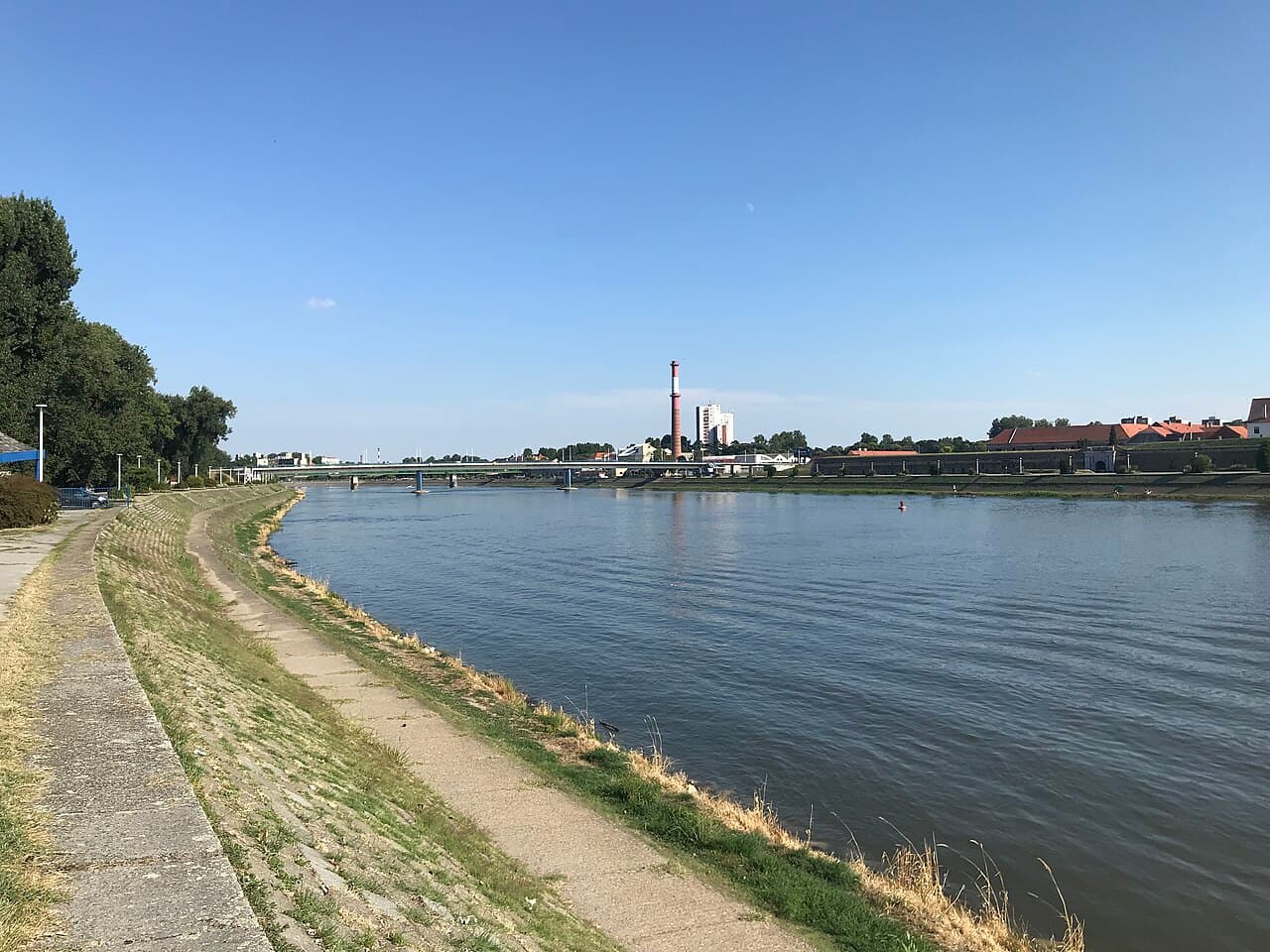
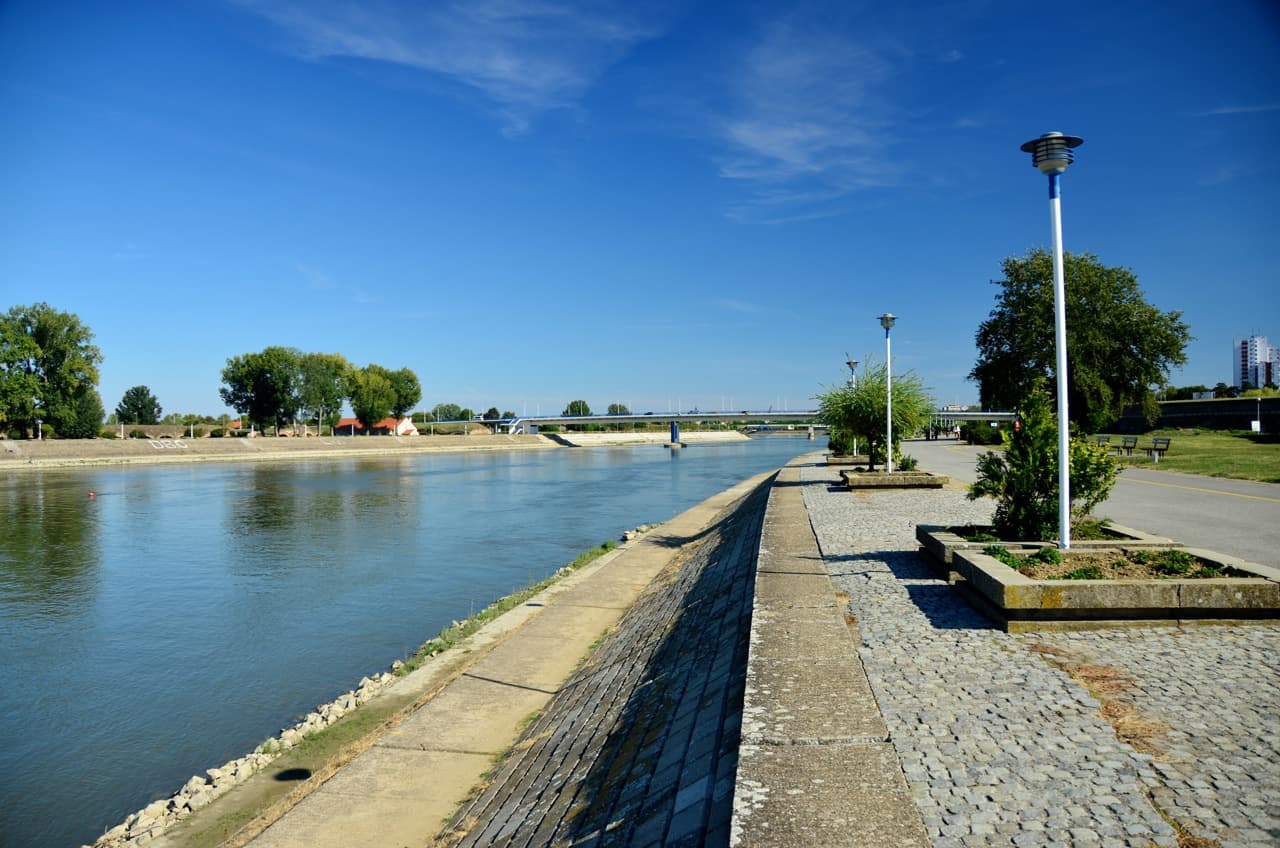
The riverside path runs for kilometres along the Drava. The pedestrian bridge connects the Tvrđa side with the opposite bank, is open 24 hours and is well lit at night. It is the best place for an evening walk or sunset view. The path continues towards the zoo and the recreational areas.
04What to Do Beyond the Centre
Kopački Rit Nature Park
Kopački Rit is one of the largest preserved wetlands in Europe, at the confluence of the Drava and the Danube. It is about 10–12 km from Osijek. Visitors come for birdwatching, including white-tailed eagles and many heron species, and for boat tours on the flood-plain channels. Spring and early autumn have the best conditions. Water levels vary by season, which affects which routes are possible. Book boat tours in advance in high season, and expect €10–€25 per person for park entry plus a boat trip.
Locals will tell you the mosquitoes are no joke from late spring through summer. Bring repellent, because skipping it is the most common mistake on this day trip.
Osijek Zoo
The zoo lies on the river, about 3 km from Tvrđa. Entry is around €4–€6. It is small, so one to two hours is enough. It suits families with children, but it is not a reason on its own to visit the city.
Day trips by bus
Regional buses connect Osijek with Đakovo (known for its large cathedral and the Lipizzaner horses), and with Vukovar, about 35 km away, which has a major memorial and museum focus linked to the 1991 war. Both are easy half-day outings.
05Getting Around Osijek
The centre is compact, and most first-time visitors walk between Tvrđa, the promenade and the lower town. Osijek is one of only two Croatian cities with a tram network, the other being Zagreb. The system dates back to 1884.
- Single ticket
- €1.46 from the driver, valid for 60 minutes.
- Daily ticket
- a paper ticket valid for unlimited rides on trams and buses on the day of purchase.
- Validation
- validate on entry and exit where machines are provided, or the fare may be charged again.
Service thins out after about 21:00, so plan the return journey in advance or use a taxi.
Hiring a bike is a better idea than a taxi for the flat riverside paths. Rental costs about €5–€10 per day.
06Where to Eat: Slavonian Food Basics
Slavonian cuisine is heavy, paprika-rich and meat-focused. Dishes to order:
- Fiš paprikaš
- river-fish stew with hot paprika, served with noodles. The signature dish of the region.
- Čobanac
- meat stew cooked slowly in a pot.
- Kulen
- paprika-cured sausage, usually served on a platter with cheese.
- Šokački cakes and strudels
- typical desserts at local bakeries.
Main courses in mid-range restaurants generally cost €9–€16. A coffee costs about €1.50–€2.50, and a half-litre of local beer about €3–€4. Slavonian white wines such as Graševina are the regional pour, and a glass is usually €2–€4.
Tvrđa restaurants are convenient but more tourist-oriented. The lower town and the riverside areas often offer better value for the same dishes. Lunch is the main meal, and many places offer a fixed daily menu at lower prices than evening dishes.
07Where to Stay
Staying in or near Tvrđa suits first-time visitors who want to walk everywhere. Hotel Osijek, on the Drava, is a long-established option with river views. Boutique accommodation exists inside Tvrđa itself. Private apartments are plentiful and often cheaper than hotels. Mid-range doubles generally cost about €60–€110 per night, and budget rooms or apartments start around €35–€55. Prices rise during festivals and the autumn season.
08Best Time to Visit Osijek
Spring (April to June) and early autumn (September to October) bring mild weather of about 15–25°C, which suits walking and Kopački Rit trips. Summer can be hot, with temperatures above 30°C, but the riverside terraces stay busy. In December, a decorated Christmas tram runs through the city, and the advent market fills the centre. Winters are cold and grey. Winter is the weakest season, apart from December.
09Local Insider Tips
- Walk Tvrđa at two times: once in the morning when it is nearly empty and again after sunset when the square is lit.
- Use the pedestrian bridge at dusk for the best view of the fortress skyline.
- Eat the main meal at lunch, when daily menus are cheapest.
- Cards are widely accepted, but keep a little cash for small bakeries, market stalls and kiosks.
- Use Bolt for taxis. It is generally cheaper than hailing one, and most rides within the city are short.
- Combine Kopački Rit with a morning start. Wildlife is most active early, and the heat builds by midday.
- Don't rely on an Osijek day trip from the coast. The trip from Split or Dubrovnik takes the best part of a day each way. Treat Osijek as a separate stop with its own time.
10Practical Safety and Etiquette
Osijek is safe, with low crime rates. The usual precautions apply at night in quieter streets. Croatian is the main language, and younger people and hospitality staff usually speak English. The euro is the currency. Tipping of 5–10% in restaurants is customary but not required.
11Sample 2-Day Itinerary
Day 1: Morning in Tvrđa (square, Museum of Slavonia, ramparts). Lunch in the lower town. Afternoon along Europska avenija and the Co-Cathedral. Evening on the Drava promenade and pedestrian bridge.
Day 2: Early departure to Kopački Rit for a boat tour. Return for a late fiš paprikaš lunch. Afternoon at the zoo or on a bike ride along the river.