01Slano's Geographical and Historical Context
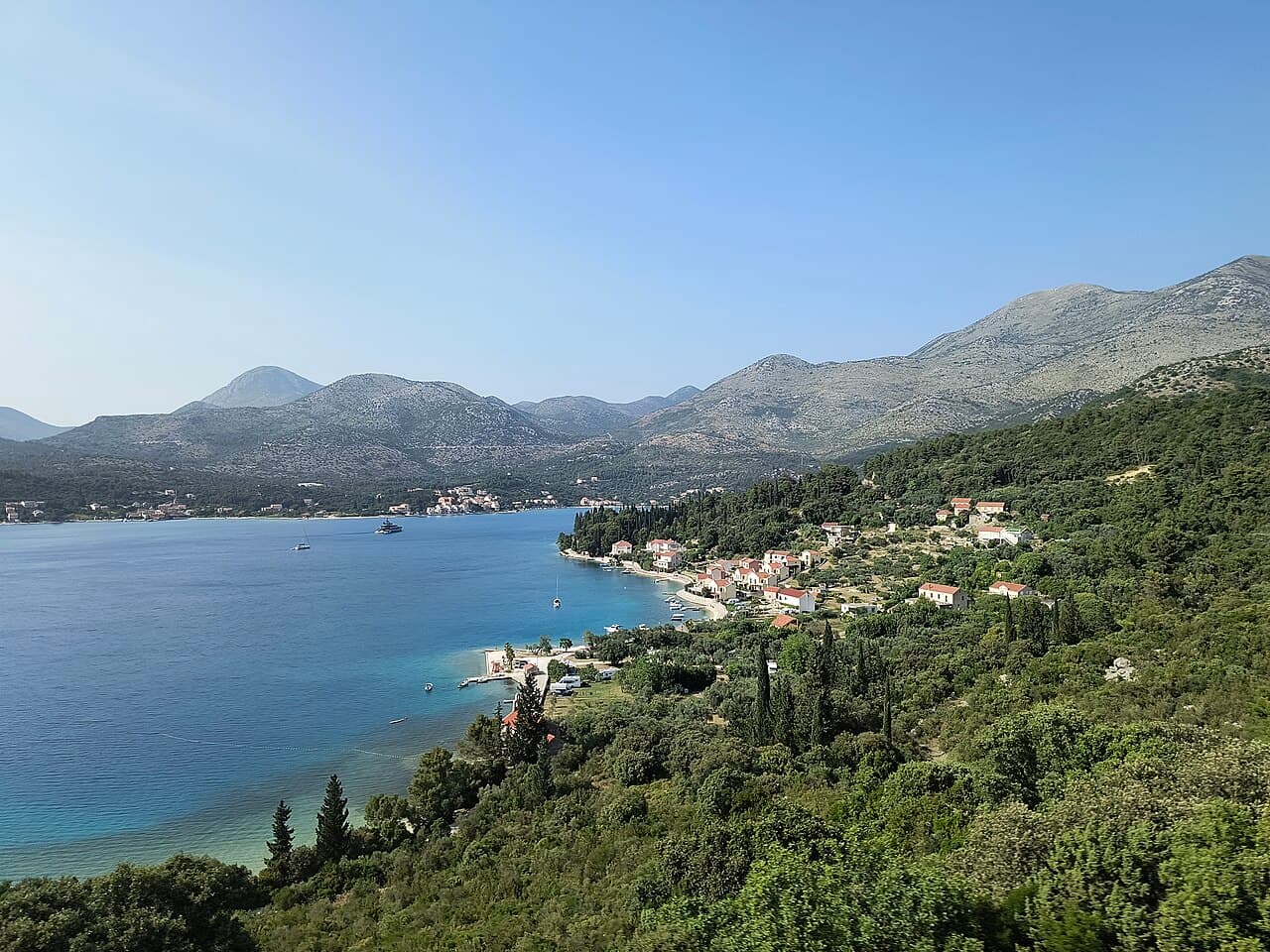
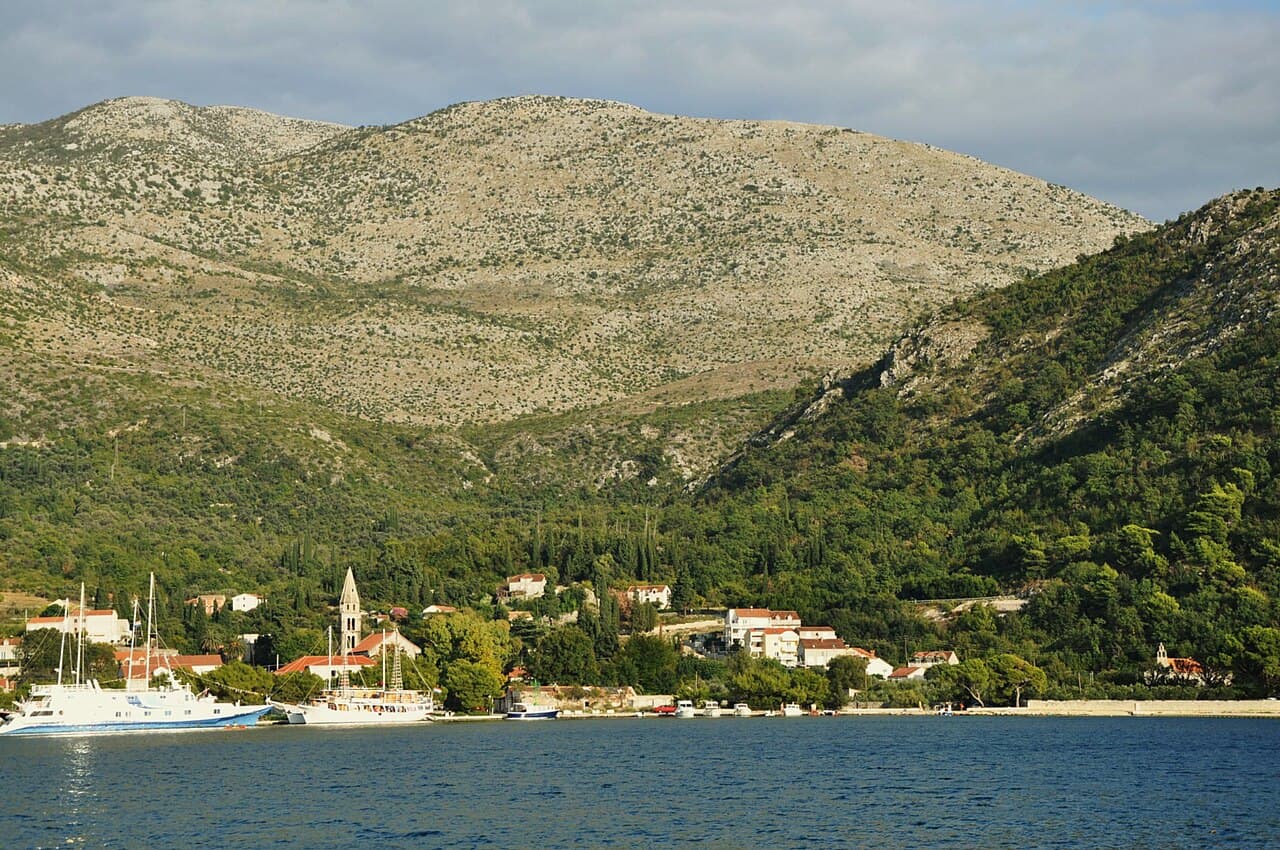
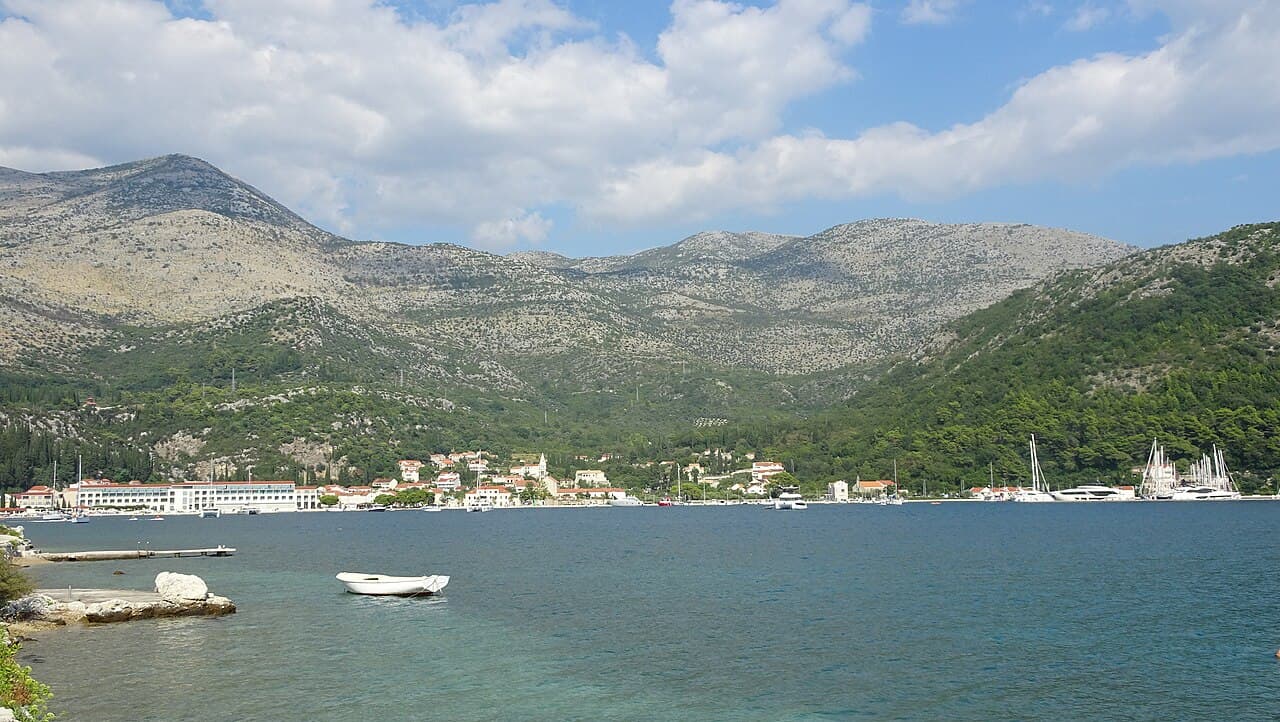
Slano is a coastal village situated along a 2-kilometer-long indented bay on the Adriatic Sea, approximately 40 kilometers northwest of Dubrovnik. Historically, the area was inhabited by Illyrian tribes before falling under Roman rule; remnants of Roman castrums and early Christian sarcophagi are still present in the surrounding hills. In 1399, the village was absorbed into the Republic of Ragusa (Dubrovnik) and served as the administrative center for the Dubrovačko Primorje region. Today, it is a modest settlement of fewer than 600 permanent residents, operating primarily on tourism, fishing, and agriculture. The deep, sheltered nature of the bay has historically protected vessels from the fierce bura winds, a feature that continues to attract sailors and yacht owners to its modern marina.
02Why Visit Slano? (The Pros)
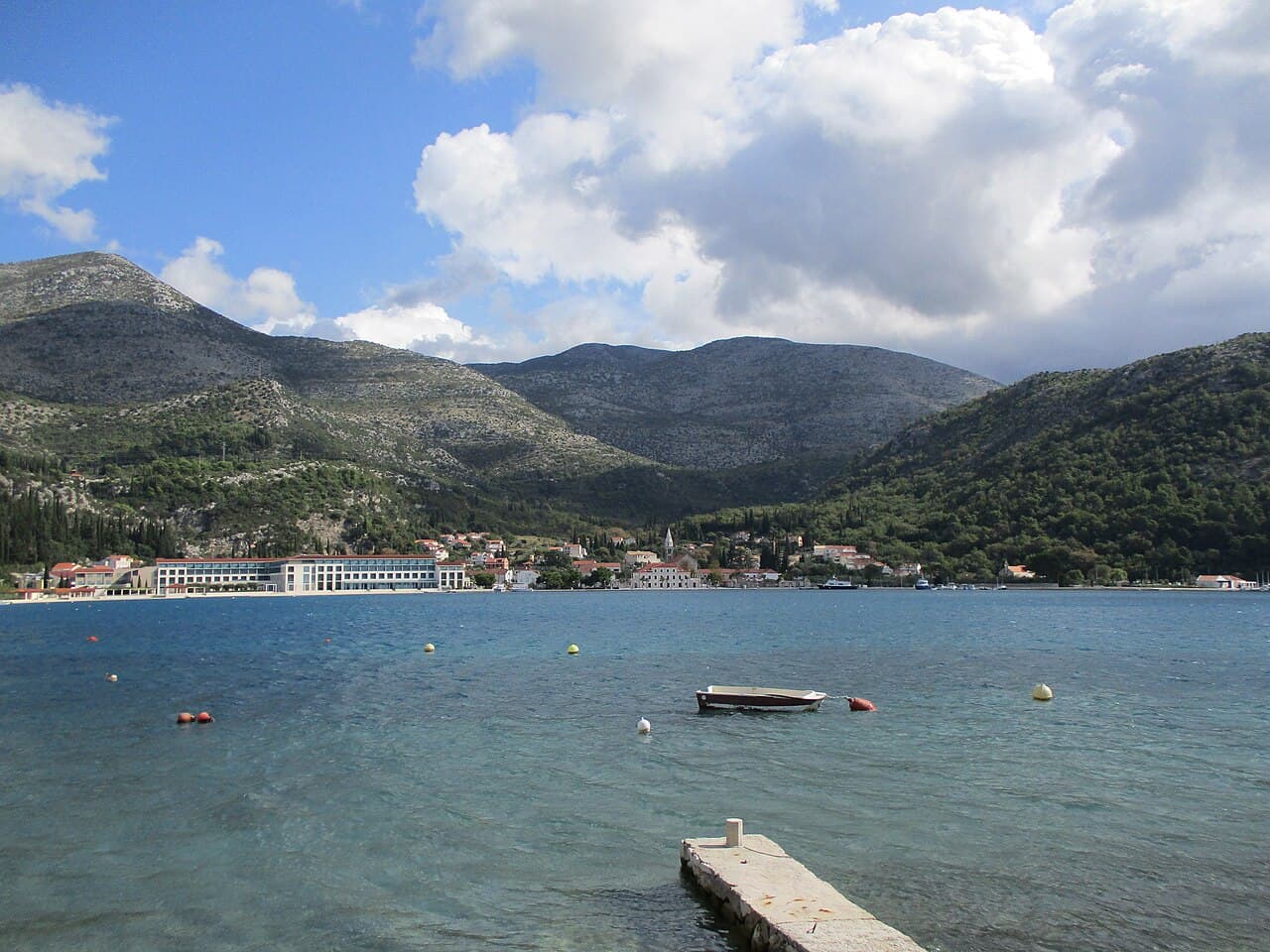
Slano provides an immediate relief from the heavy tourist traffic that defines southern Dalmatia during the peak summer months. While visitors in Dubrovnik navigate crowded alleyways and fully booked restaurants, travelers in Slano experience a quiet, slow-paced Mediterranean environment. The main draw is the bay itself. Because the inlet is deep and protected by a narrow opening, the sea here is exceptionally calm, mimicking the surface of a lake. This makes local beaches highly suitable for long swims, paddleboarding, and families with young children.
Accommodation and dining costs run noticeably lower here than in Dubrovnik proper. Visitors can rent sea-facing apartments or book rooms in the five-star Admiral Grand Hotel for rates that would barely secure a basic three-star room in Dubrovnik's Old Town. Slano also serves as a strategic geographic base. It sits squarely between the cultural attractions of Dubrovnik and the culinary highlights of the Pelješac peninsula, allowing visitors with a rental car to access the best of the region without paying premium city-center prices.
03The Downsides: What to Consider Before Booking
Travelers seeking a lively atmosphere will be disappointed by Slano. The village is small, and its infrastructure caters to relaxation rather than entertainment. Nightlife is virtually nonexistent, mostly confined to evening acoustic sets or traditional folklore dances hosted by the larger resort hotels. The commercial center features just a few small grocery stores, a post office, and a handful of cafes. The restaurant selection is adequate for a short stay, but visitors staying for a week or longer will quickly exhaust the local dining options and find themselves traveling to neighboring towns for variety.
For those whose primary goal is exploring Dubrovnik, the physical distance is a significant operational factor. The 40-kilometer drive takes at least 45 minutes along the D8 coastal highway, which often experiences heavy traffic in July and August. While relying on the local suburban bus line 12 to commute into Dubrovnik sounds like a budget-friendly compromise, in practice, the infrequent schedules often leave travelers stranded or forced to cut their evenings short. The last bus back to Slano usually departs before late-night dinners conclude, forcing visitors to hire a taxi that will cost at least €60 to €80.
04Cost of Travel in Slano (2027 Prices)
Since Croatia adopted the euro, prices across the country have stabilized at a higher baseline, and southern Dalmatia remains the most expensive region. However, Slano offers a moderate discount compared to its famous neighbor.
- Accommodation
- Budget travelers can find simple private rooms for €50 to €70 per night. A mid-range apartment rental with a kitchen and sea view averages €80 to €130 per night during the summer high season. Premium options like the Admiral Grand Hotel range from €250 to €400 per night, depending on the room category. All-inclusive stays at Hotel Osmine generally cost about €180 to €280 per night.
- Food and Drink
- A standard dinner for two at a local konoba, consisting of fresh white fish, a side of Swiss chard and potatoes (blitva), and a liter of house wine, costs between €55 and €80. A simple pizza or pasta dish runs €12 to €16. A morning coffee (espresso) along the waterfront is typically €2.50 to €3.00, and a half-liter of local draft beer costs around €4.00.
- Transportation
- A one-way ticket on the Libertas suburban bus (Line 12) to Dubrovnik costs €3.70. Renting a car at Dubrovnik Airport averages €40 to €70 per day. Private transfers between Dubrovnik Airport and Slano cost between €70 and €90 each way.
05Top Things to Do in the Bay
Exploring the Beaches
The beaches in Slano are predominantly composed of coarse sand and smooth pebbles, standard for the Dalmatian coast. The water is exceptionally clear, and the bay's enclosed shape shields it from the open sea's strong currents.
- Grgurići Beach
- The main stretch located near the center of the village. It offers shallow entry points and is lined with pine trees that provide natural shade during the midday heat.
- Karmelska Beach
- Located slightly further along the bay, offering a quieter environment and excellent views of the anchored yachts.
- Osmine Beach
- Situated near Hotel Osmine, this area features organized loungers and umbrellas. While the hotel manages parts of it, Croatian law mandates that the shoreline remains public.
Historical Sites and Architecture
Though small, the village retains distinct architecture from its era under the Republic of Ragusa. The 15th-century Franciscan monastery and the adjoining Church of St. Jerome sit near the center of the village and contain early Renaissance elements. The local Rector's Palace, which served as the seat of power for the assigned Ragusan noble family (the Ohmučević-Ghetaldi), was severely damaged during the Homeland War in 1991. It has since been fully restored and stands as a smaller counterpart to the grand palace in Dubrovnik.
ACI Marina Slano (Veljko Bakašun)
Opened in 2016, this modern marina features 193 sea berths and serves as a major nautical hub. Even for non-sailors, the marina is a point of interest. The facility includes a high-end restaurant, a swimming pool, and well-maintained walking paths. It is an excellent location for an evening stroll to view luxury catamarans and sailing yachts.
Cycling and Walking Trails
The local tourist office in Slano provides detailed maps for hiking and biking routes that extend into the Dubrovačko Primorje region. These paths take visitors through olive groves, vineyards, and up into the steep hills surrounding the bay. Certain routes lead to historical stećci—intricately carved, monumental medieval tombstones that are scattered across the surrounding fields.
06Where to Eat in Slano
Slano's culinary scene is small but focuses heavily on traditional Dalmatian recipes, utilizing fresh seafood, local olive oil, and garlic.
- Guest House Kolarin Restaurant
- Located right on the waterfront, this establishment is known for its black risotto (crni rižot) made with cuttlefish ink, and fresh grilled sea bass.
- Restaurant Perast
- A reliable option for both meat and seafood dishes, offering a large terrace with direct views of the bay.
- Gastro Mare (Kobaš)
- While not in Slano proper, this is a highly popular culinary excursion. Located in the nearby bay of Kobaš, this restaurant is typically accessed by a short boat ride from Slano. The chef prepares high-end, multi-course seafood meals right on the dock.
07Day Trips from Slano
Slano's location makes it a superior base for regional exploration compared to staying inside the pedestrian-only zone of Dubrovnik.
Ston and Mali Ston
Located just 20 kilometers northwest of Slano, the twin towns of Ston and Mali Ston are connected by the longest intact defensive wall system in Europe. Visitors can hike the steep 5.5-kilometer stone walls for panoramic views of the salt pans below. The area is also famous for its oyster farms; local restaurants serve fresh oysters harvested directly from the bay just minutes before they arrive on the plate.
Trsteno Arboretum
Just 15 kilometers south toward Dubrovnik lies the Trsteno Arboretum. Built in the late 15th century by a local noble family, it is one of the oldest botanical gardens in Europe. The grounds feature ancient plane trees, a Renaissance fountain with a statue of Neptune, and sweeping views of the sea. It gained modern fame as a primary filming location for the HBO series Game of Thrones.
The Pelješac Peninsula
For wine enthusiasts, driving past Ston onto the Pelješac peninsula is mandatory. The region is the top wine-producing area in southern Croatia, famous for its robust red wines made from the Plavac Mali grape. Visitors can drive through the steep Dingač and Postup wine-growing regions, stopping at local cellars for tastings.
08Best Time to Visit
The tourist season in Slano runs from May through October.
- June and September
- These are the optimal months to visit. The sea is warm enough for swimming, daytime temperatures average 25°C to 28°C, and accommodation prices are 20% lower than in peak summer.
- July and August
- The weather is hot, often exceeding 33°C, and the Adriatic is exceptionally warm. This is the busiest and most expensive time, though Slano never reaches the claustrophobic density of Dubrovnik.
- Winter (November to April)
- The village largely shuts down. The hotels, marina restaurants, and many local businesses close for the season. Transport schedules are heavily reduced, making it an impractical time for a standard holiday.
09Getting There and Local Transport
The nearest aviation hub is Dubrovnik Airport (Čilipi), located 55 kilometers southeast of Slano. Travelers must first take a 30-minute airport shuttle bus to the main Dubrovnik bus terminal located in the Gruž neighborhood. From there, they must transfer to a local bus. The Libertas bus network operates Line 12 from Dubrovnik to Slano, passing through Zaton and Orašac. Line 15, which continues on to Ston, also stops in Slano.
Within Slano itself, a car is completely unnecessary. The village is entirely walkable, featuring a flat, paved promenade that connects the marina on one end to the primary beaches and hotels on the other. However, renting a car is highly recommended for visitors who wish to explore the Pelješac peninsula, visit local wineries, or travel into Dubrovnik without being strictly bound by the limited bus timetable.
10Final Verdict: Is Slano Worth It?
Slano is an excellent destination for families, couples, and mature travelers who prioritize quiet beach days, sailing infrastructure, and lower hotel bills. It delivers a traditional Dalmatian coastal experience with easy access to high-quality food and regional day trips.
Conversely, Slano is not worth visiting for young adults seeking late-night entertainment, nor is it the right choice for first-time visitors who plan to spend the majority of their trip walking the walls and touring the museums of Dubrovnik. For those visitors, paying the premium to stay in or immediately adjacent to Dubrovnik’s Old Town is the more logical choice.