01Is Ston Worth Visiting? The Short Verdict
Ston is worth a half-day stop, not a multi-day base. The draw is a small group of sights packed close together: one of Europe's longest surviving fortification systems, working salt pans, and the oyster beds of Mali Ston Bay. Visitors who expect a big historic town will be disappointed. Visitors who want one good walk, one good lunch and a low bill will not.
02What Is Great About Ston
The Walls of Ston
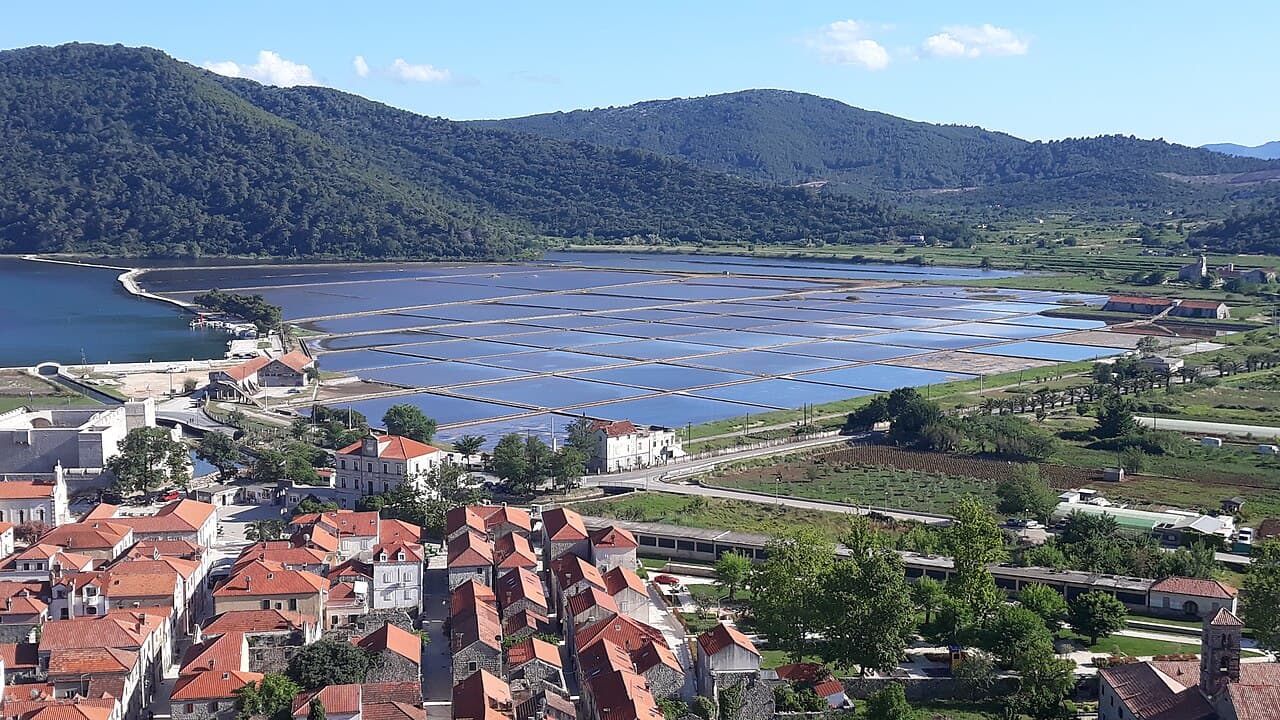
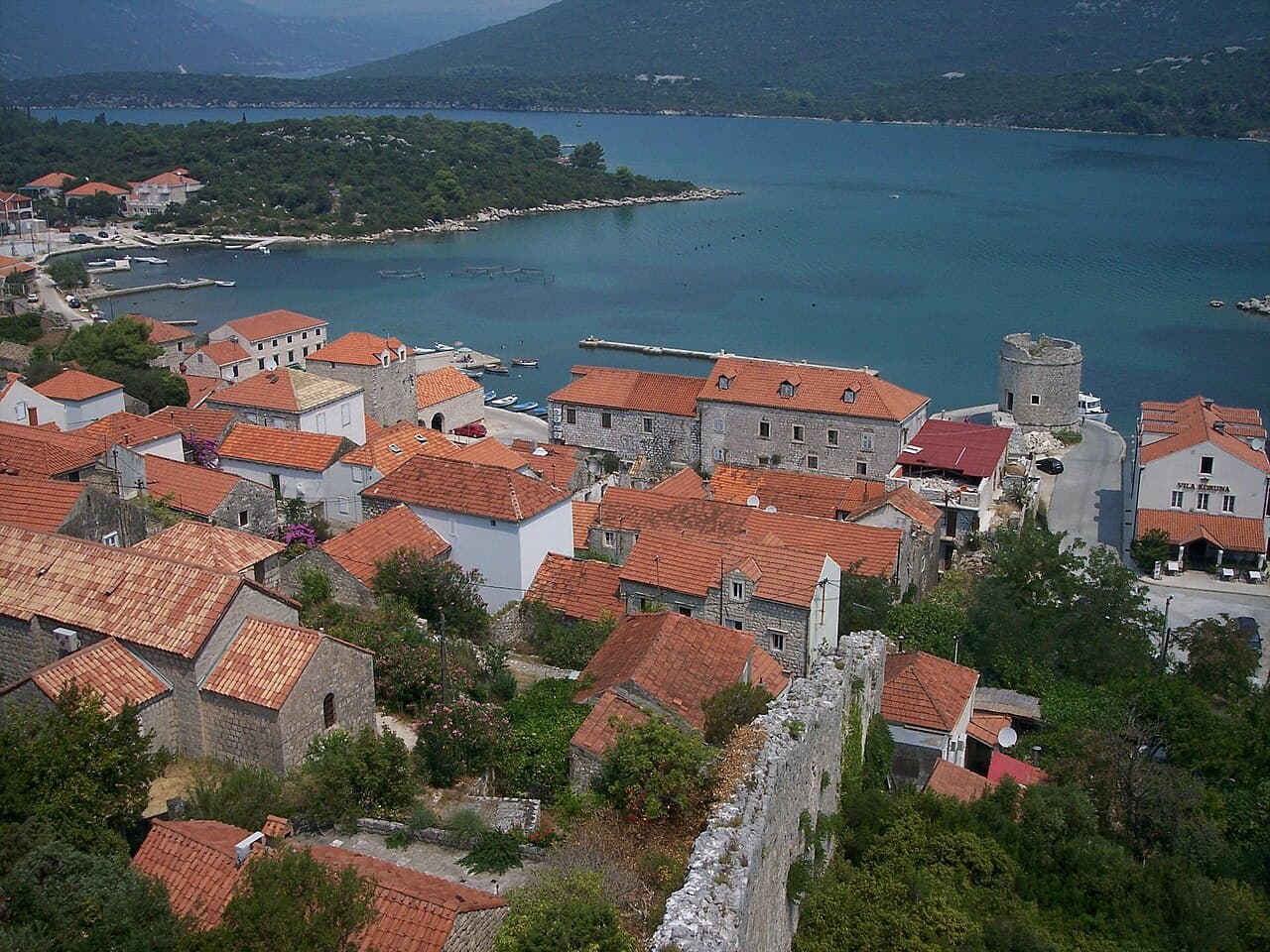
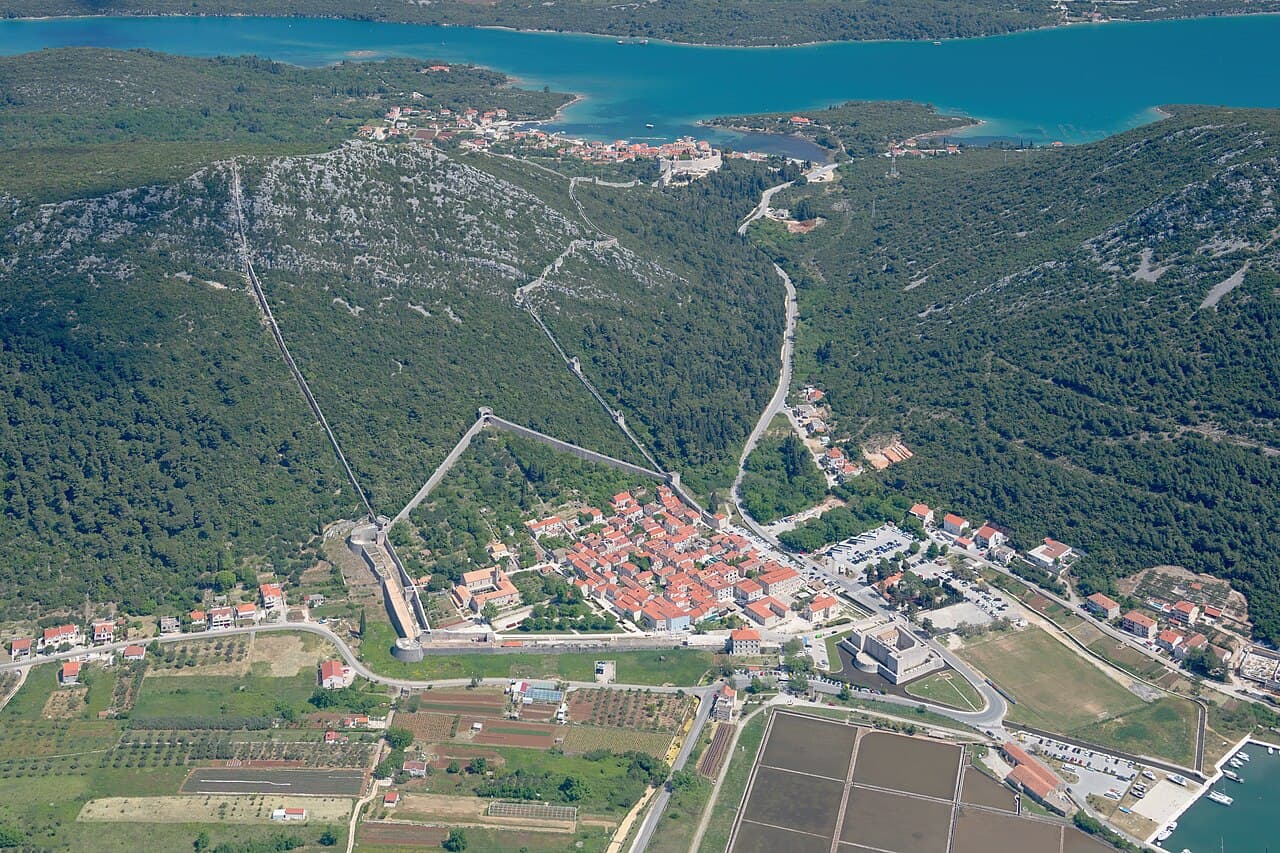
The walls were originally about 7 km long. They include the Ston and Mali Ston city walls, the Big Wall and three forts. The section open to visitors is roughly 5.5 km, and the full walk takes about 1.5 to 2 hours with stops. The views over the salt pans and the bay are the best part. The same ticket also covers the Veliki Kaštio fortress.
Oysters and Seafood in Mali Ston
Mali Ston is a short drive or walk from Ston and is the centre of Croatian oyster farming. Bota Šare, a family-run restaurant in a former salt storage building on the waterfront, is the best-known stop. It serves oysters, mussels, black cuttlefish risotto and the Ston rigatoni cake. Its boat trip to the floating oyster farm lasts about an hour and costs about €30–40 per person. It includes shucked oysters, mussel buzara and a glass of local white.
Price Compared to Dubrovnik
The walls cost €10 for adults from March to October, against about €35–40 for the Dubrovnik ramparts. Visitors with the Dubrovnik Pass pay €8. Children and students pay €5, and groups of ten or more pay €8 each.
03Downsides: Crowds, Heat and Cost
- Crowds
- The walls are quiet compared with Dubrovnik, but coach groups arrive in late morning in July and August. The walls are narrow and steep, so queues form on the steps.
- Heat
- The wall has almost no shade. Summer midday walks are tiring.
- Terrain
- The route has steep climbs and uneven stone steps. Wear shoes with grip, not sandals.
- Size
- The town itself takes under an hour to see. There is little nightlife.
- Restaurant prices
- Mali Ston waterfront restaurants cost more than inland konobas. Some diners find Bota Šare pricey for the portions, though most rate the quality highly.
04Opening Hours (Walls)
| Period | Hours |
|---|---|
| 1 Apr – 31 May | 08:00–18:30 |
| 1 Jun – 31 Jul | 08:00–19:30 |
| August | 08:00–18:30 |
| 1 Sep – 31 Oct | 08:00–17:30 |
| 1 Nov – 31 Mar | 09:00–15:00 |
Hours change, so check the official Ston site before going. The walls are open all year, and the winter ticket costs €5.
05How Long to Spend and When to Go
Allow 3 to 5 hours: 2 hours on the walls, 30 minutes at the salt pans, and a long seafood lunch. Ston is about 55 km from Dubrovnik, roughly an hour by car or bus. Arrive at 08:00 when the gates open, finish the climb before 11:00, then eat in Mali Ston. April–May and late September–October give the best mix of cooler weather and fewer people.
06Local Tips
- The walls have two entrances and one exit. Entry points are signed A and C near the Ston bus station. The ticket price does not change with the route.
- Walk the wall from Ston to Mali Ston and take a taxi, or walk back along the road, rather than repeating the climb.
- Carry some cash. Small family cellars and the salt works charge a small separate fee.
- Book the oyster boat ahead in July and August.
- Combine Ston with a Pelješac wine stop in the Potomje area for a full day.
07Verdict
Go if you like walking, seafood and history, and you want to avoid Dubrovnik's prices. Skip the walls in midday August heat. The better plan is an early start, or a visit in shoulder season. The oyster boat is worth the money for first-time visitors, but it is not essential if the budget is tight. Oysters at the table cost less and taste the same.