01Myth 1: Ston is a one-hour stop between Dubrovnik and Pelješac
The myth: Park, eat oysters, take a photo of the walls, drive on.
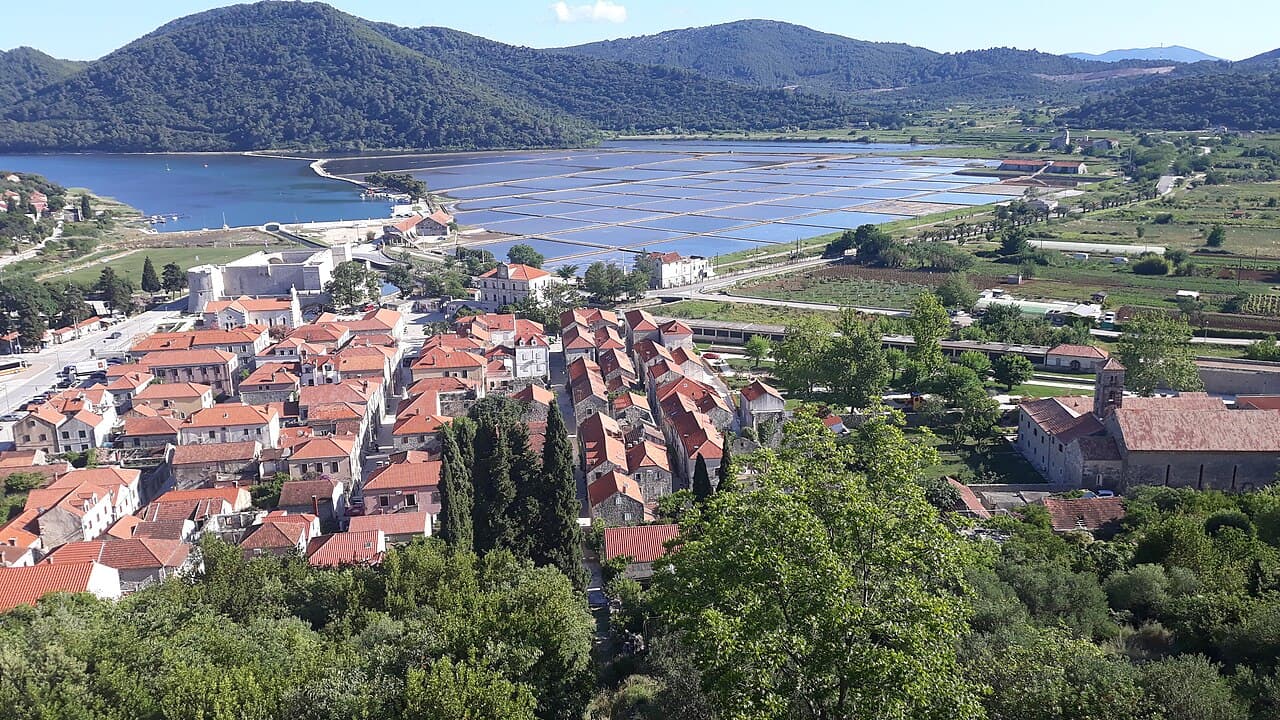
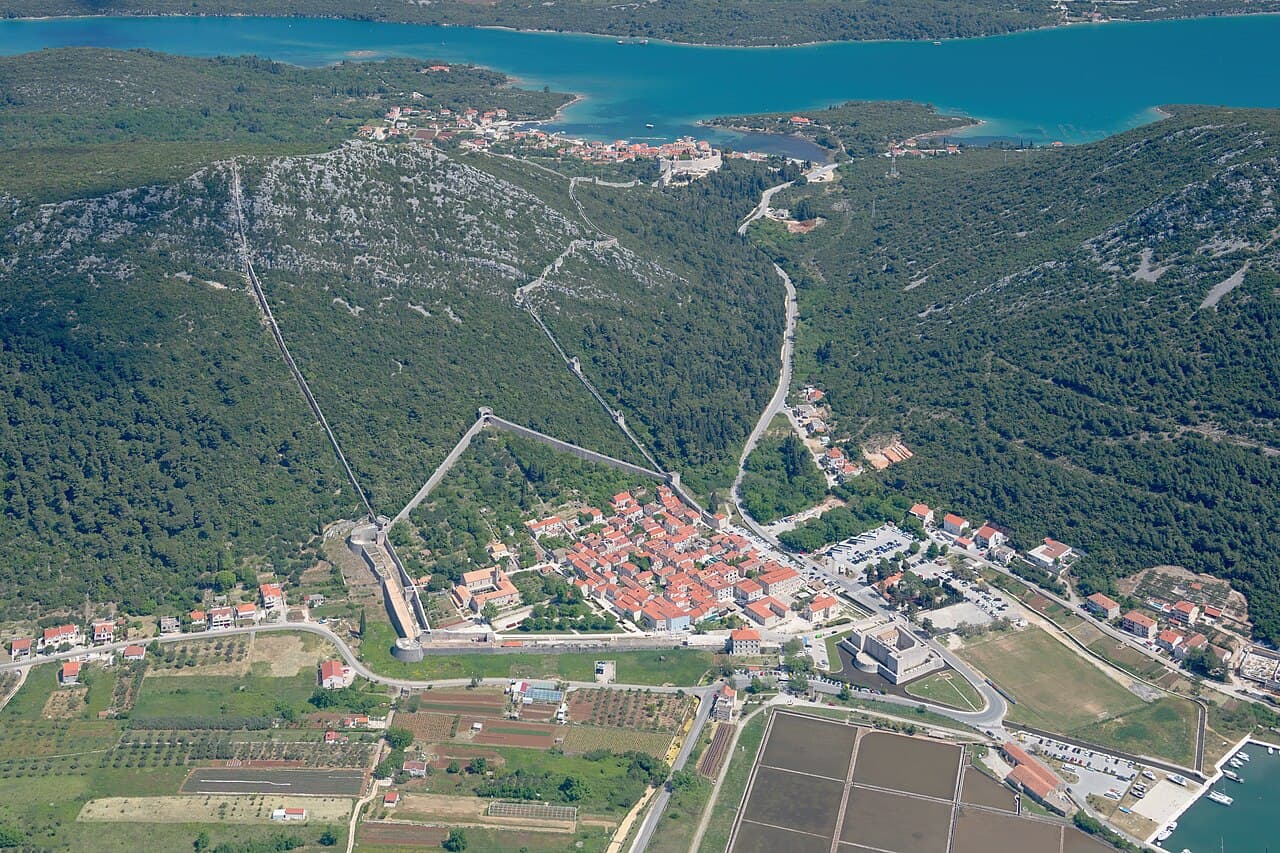
The reality: Ston sits about 55 km northwest of Dubrovnik, roughly an hour by car. The walls run 5.6 km over the hill between Ston and Mali Ston, and a ticket for them is the main reason to come. Add the salt pans on the edge of town, a long lunch in Mali Ston, and a short walk through the small grid of the old town. That fills a half day without any rushing.
Better alternative: Treat Ston as a half-day trip of 5 to 6 hours. A workable order:
- 8:00-9:00: arrive from Dubrovnik before the tour buses.
- 9:00-11:00: walk the walls.
- 11:30: look at the salt pans and the town centre.
- 13:00: oyster lunch in Mali Ston.
- 15:30: leave for Dubrovnik, or continue to the Pelješac wineries.
Insider perspective: The tour groups from Dubrovnik arrive in late morning. Being on the wall before 10:00 means a quieter climb and cooler temperatures.
02Myth 2: The walls are either a full hike or not worth the ticket
The myth: Visitors assume they must complete the whole route, or that the climb is not worth it.
The reality: The ticket is the same whichever section you walk. Adults pay €10, children over 7 pay €5, and groups of 10 or more pay €8 per person. The same ticket also covers the Veliki Kaštio fortress. That is a fraction of the price of the Dubrovnik walls. Visitor reports put Dubrovnik at roughly €35 or more per person.
There are two entry points in Ston. Gate "A" is slightly left of the bus station and is the start of the full route, and gate "C" is a short walk to the right. The steps are uneven stone and there is almost no shade. Wear shoes with grip, and carry at least 1 litre of water per person in summer.
Better alternative: Choose by fitness and weather:
- Short option
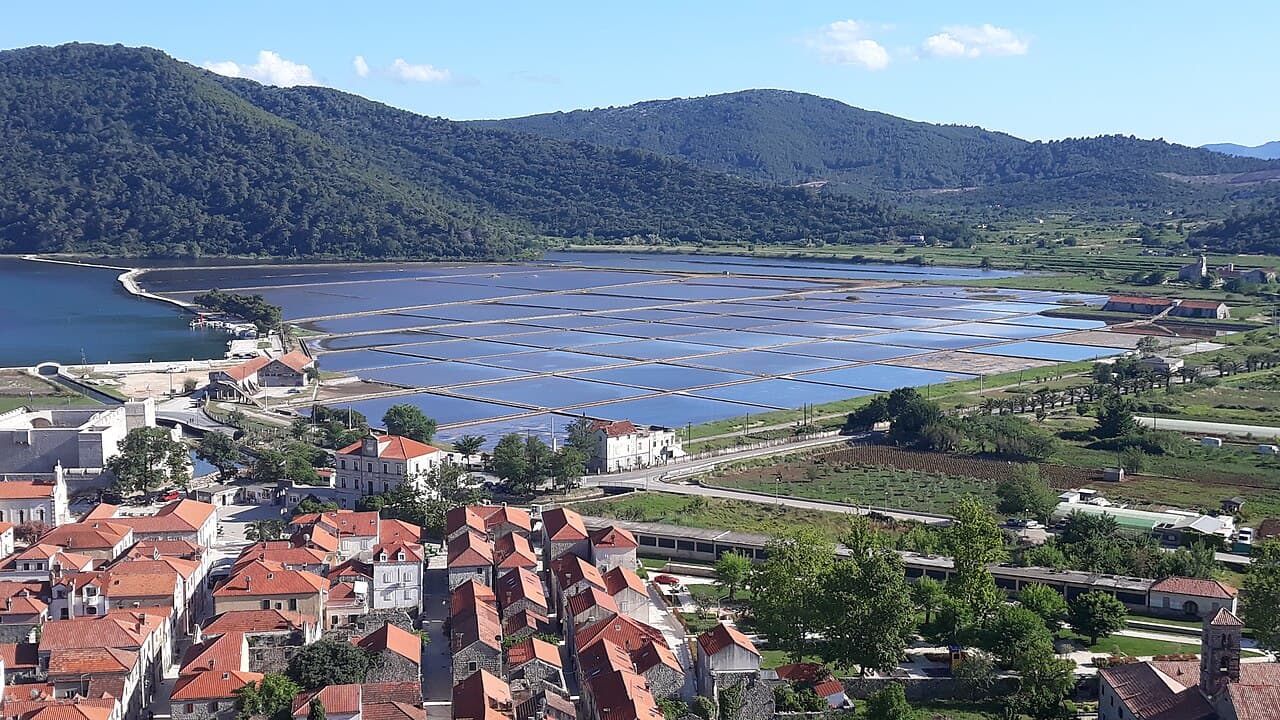
- Climb the steep section from the town side to the high tower and come back. This gives the best view of the salt pans and the bay, in about an hour.
- Full option
- Walk one-way to Mali Ston, then eat lunch there. Mali Ston is the natural finish because the restaurants are at the end of the route. Allow 1.5 to 2 hours at a steady pace with photo stops.
Paying for the full route in July at midday is the one thing to avoid. The heat and the lack of shade make it a poor choice at that hour.
Insider perspective: The upper stretches can be slippery on worn stone, especially after rain or in sandals. The loose stone is the main hazard on the descent.
03Myth 3: The famous Ston oysters should be eaten in Ston
The myth: The town is called Ston, so the oyster restaurants must be in the main town.
The reality: The oyster beds are in Mali Ston Bay. The two best-known restaurants, Bota Šare and Kapetanova kuća, are on the Mali Ston waterfront, less than 100 metres apart. Ston itself has good places too. Konoba Bakus is informal and reasonably priced, an ideal lunch after walking the walls and visiting the salt pans. Its mussels in white wine, garlic and parsley (mušule na buzaru) are a good order. But if oysters are the goal, Mali Ston is the place.
The two Mali Ston restaurants differ mostly in style. Bota Šare occupies a 14th-century arched salt warehouse and serves oysters raw, baked with breadcrumbs, or buzara style. Kapetanova Kuća is known for its black cuttlefish risotto and oyster soup.
Better alternative: Order a half-dozen raw oysters first, then try one cooked dish. Raw oysters carry the clearest flavour of the bay. The baked version at Bota Šare is a solid second order. Reserve a table in July and August, when the waterfront fills by 12:30.
Bota Šare also describes a roughly one-hour boat trip to the oyster farms that departs beside the restaurant. Check current times and price with the restaurant before you plan around it.
The firm opinion: Skip the oyster-farm boat tour if you are short on time. The walls and a proper lunch give far more value than a tasting you can get at the table anyway.
04Myth 4: Ston is open the same hours all year
The myth: The walls work like a city centre, open from morning until sunset every day.
The reality: Hours follow the season, and the winter schedule is short. The published schedule runs like this:
- April 1 to May 31: 8:00-18:30
- June 1 to July 31: 8:00-19:30
- August 1 to August 31: 8:00-18:30
- September 1 to October 31: 8:00-17:30
- November 1 to March 31: 9:00-15:00
In winter the ticket is cheaper, at about €5 for adults. Winter hours mean the last entry comes early, so a 14:00 arrival leaves little time for the full route.
Better alternative: In the cold season, arrive by 9:00 and plan the walls first, lunch second. Hours can shift year to year, so confirm them before a long drive.
Insider perspective: Shoulder months (May, June and late September) are the best time. The wall is open late enough for a relaxed lunch, and the heat is manageable.
05Do not forget the salt pans
The salt pans are a main reason the walls were built, and they sit right below the wall. Viewing them from the wall gives the clearest sense of the layout. In the working season, salt is harvested by hand and sold locally. Buying a bag at the pans or in a Ston shop is a simple, cheap souvenir that travels well.
06What to plan first if you only have half a day in Ston
Pick the walls, then the Mali Ston waterfront lunch, and treat everything else as optional. Arrive early, check the season's opening hours, and bring water and grippy shoes. If time allows, finish with a short visit to the salt pans. That plan covers what makes Ston worth the drive from Dubrovnik, and it fits comfortably into one day.