01What Are the Top Attractions in Ston?
Ston is a small walled town on the Pelješac peninsula, about 55 km northwest of Dubrovnik. It was built by the Republic of Ragusa in the 14th century to protect its salt production. Four attractions make up almost every visit: the Walls of Ston, the salt pans, the oysters of Mali Ston, and the planned town itself. All four sit within about 1.5 km of each other, so one full day is enough to see them.
02Walls of Ston: The Main Event
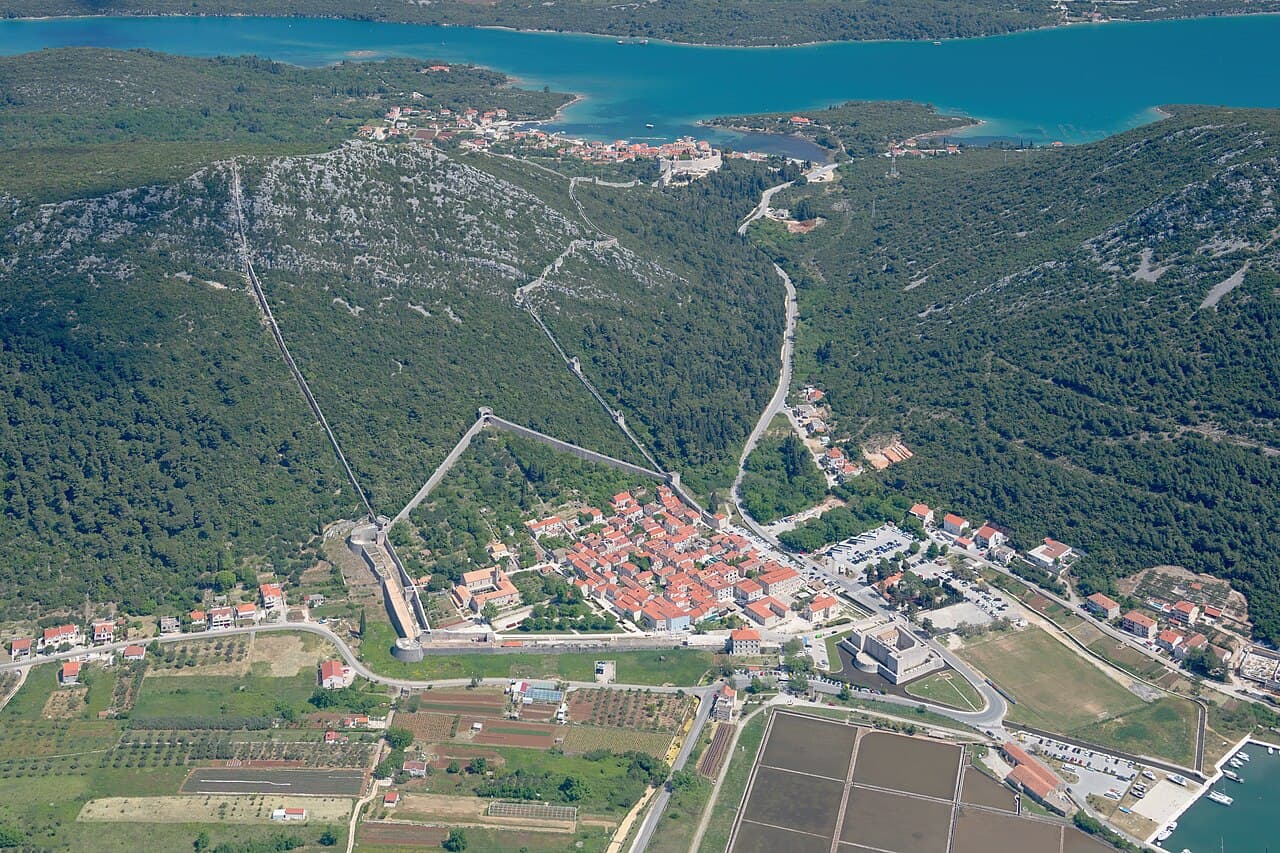
The Walls of Ston are the longest preserved fortification system in Europe and are often compared to the Great Wall of China. They run up and over the hill of Podzvizd and link Ston with Mali Ston. The main wall is about 5.5 km long. Originally it reached roughly 7 km, and it includes about 40 towers and several fortresses.
Tickets and Opening Hours
The adult ticket costs €10 from March to October, and children pay €5. Groups of 10 or more pay €8 per person. In winter (November to February) prices drop to €5 for adults and €2 for children. Residents of Ston municipality enter free. The same ticket includes the Veliki Kaštio fortress.
Opening hours change by season:
- April 1 to May 31: 08:00–18:30
- June 1 to July 31: 08:00–19:30
- August 1 to August 31: 08:00–18:30
- September 1 to October 31: 08:00–17:30
- November 1 to March 31: 09:00–15:00
Hours are occasionally adjusted, so check them before a winter visit. The last entry is usually shortly before closing.
Which Section to Walk
The full route goes from Ston up to the Podzvizd ridge and down to Mali Ston. Plan 1 to 1.5 hours one way at a relaxed pace, plus time for photos. The ticket price is the same whichever length you choose, so there is no financial reason to do a shorter section. The steps are steep, uneven, polished limestone with few handrails. Wear shoes with grip, not sandals, and bring at least 1 litre of water per person. There is almost no shade in July and August.
Opinion: The full walk to Mali Ston is worth the effort, but the first 20 minutes are the hardest and the least rewarding. If you only have an hour, climb to the first main tower for the view over the salt pans and bay, then come back down. Do not attempt the full route in the middle of a summer afternoon.
Veliki Kaštio
Veliki Kaštio is a large fortress on the edge of Ston, now standing separately from the main wall. It is included in the wall ticket and takes about 15 minutes to see. It is a good place to start, because the ticket office and the first stretch of wall are close by.
03Ston Salt Pans (Solana Ston)
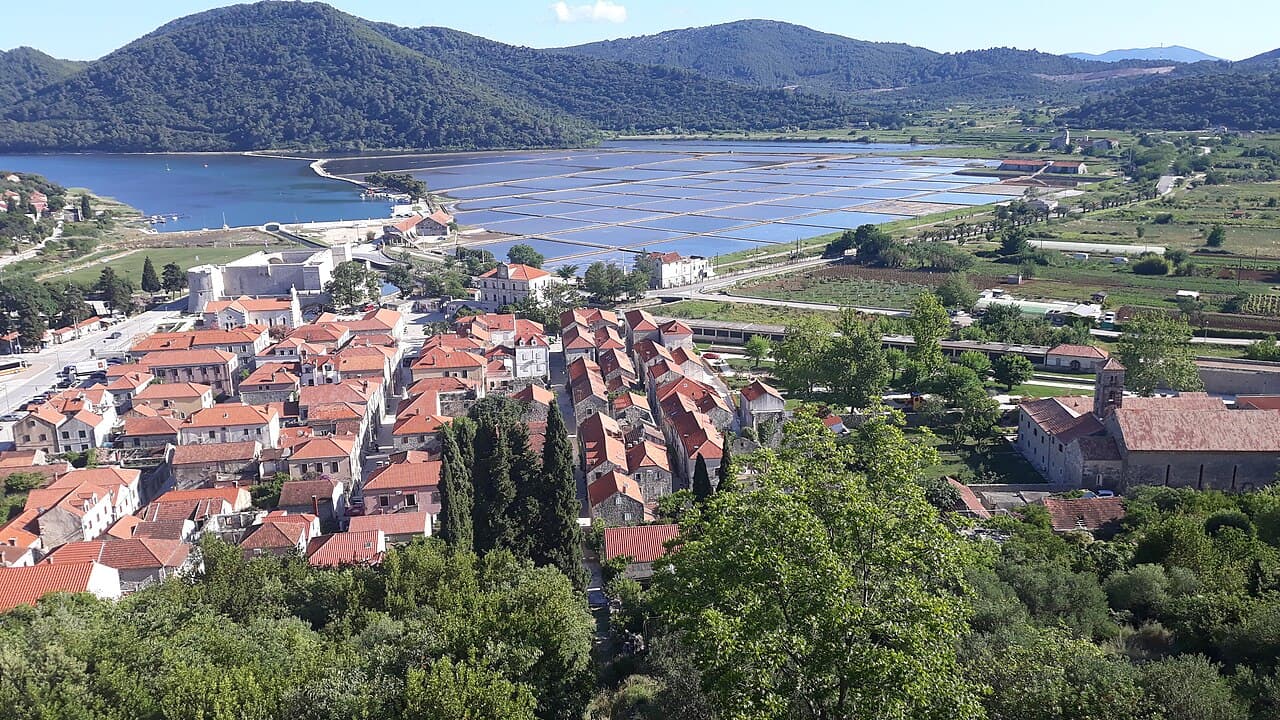
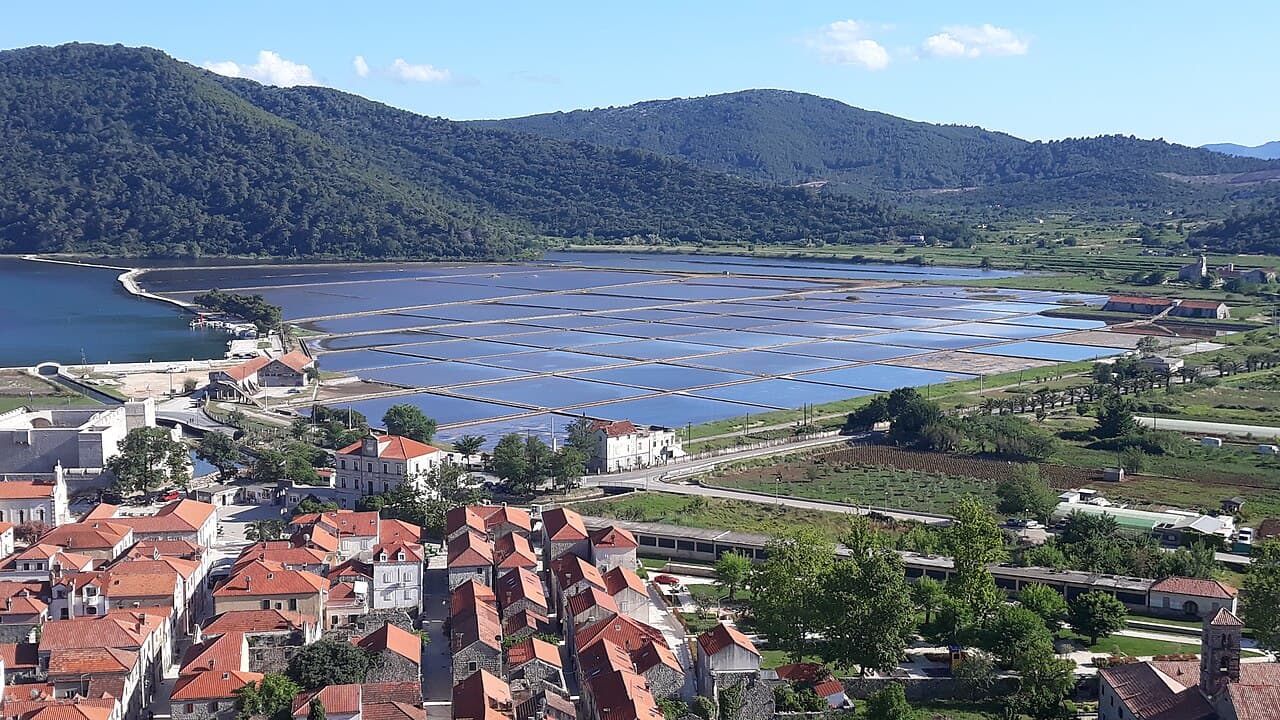
The salt pans at Ston are among the oldest in Europe, and salt has been produced here for centuries. Salt was the basis of Ragusan wealth, and the walls were built to guard it. The working pans lie directly below the walls, and the pans and the walls are best seen together.
A guided visit to the pans is optional and costs about €10 per person. It usually takes 20–30 minutes. Salt is harvested mainly in the warm months, with the main harvest in summer, and this is when the visit is most interesting. A small shop sells the salt, which makes a cheap and useful souvenir. Prices are usually a few euros per bag.
04Mali Ston Oysters and the Bay
Mali Ston Bay has farmed oysters and mussels since Roman times, and the European flat oyster (Ostrea edulis) is the local speciality. It is a protected shellfish area with clean, nutrient-rich water. In 2027, expect to pay about €1.50–3 per oyster at restaurants in Mali Ston. Mussels are cheaper, and a seafood platter for two usually runs €40–70.
Where to Eat Oysters
Two well-known restaurants in Mali Ston are Kapetanova kuća and Bota Šare. Both serve oysters, mussels and fish dishes. Book ahead in July and August. Lunch between 12:00 and 14:00 is the busiest period, so arriving before 12:00 or after 14:30 is easier.
The oysters are best from autumn through spring. In summer they are still served, but they are thinner and less creamy. Local white wines such as Pošip and Rukatac are the standard pairings.
Oyster Farm Boat Trips
Several operators run boat trips from Mali Ston to the floating oyster farms. A typical 2-hour trip costs about €40 per person and includes a few oysters straight from the water. Private trips cost more, with prices for two people reaching around €490 on premium offers. Most trips run in the morning, and the weather can cancel them. Book the day before in summer.
05Old Town Ston
Ston is one of the earliest planned towns in Europe, laid out on a grid in the 14th century. Its streets are quiet, and the whole town can be walked in 30 to 45 minutes. The main sights are all free to see from outside:
- Cathedral of St Blaise
- the town's main church, dedicated to the patron saint of Dubrovnik and Ston.
- Rector's Palace area
- the former seat of the Ragusan official who governed Ston.
- Town gates and squares
- the grid layout is easiest to read from the gate near the salt pans.
The town is calm in the evening after day-trip groups leave, and this is when the restaurants and cafés fill with locals.
06Kaštel Koruna in Mali Ston
Kaštel Koruna is a fortress at the Mali Ston end of the walls. It is the place where the walk ends, and it works as a good meeting point before lunch. The walls themselves are the main reason to come, and the fort's exterior is a short stop.
07Best Time to Visit Ston
April, May, June and September are the best months. Temperatures are lower for climbing, and the oysters are in good condition in spring and autumn. July and August are hot, with crowds from Dubrovnik tour groups mostly between 10:00 and 14:00. Arriving at 08:00 or after 16:00 avoids both the heat and the groups.
There are also local events in the shellfish calendar. The Days of Oysters take place around St Joseph's Day on 19 March, and the walls host a running event in the autumn.
08How to Get to Ston
Ston is about 55 km from Dubrovnik, which is 55–65 minutes by car using the Pelješac Bridge. Buses on the Dubrovnik–Split and Dubrovnik–Orebić routes stop in Ston. Parking near the walls is limited in summer, and a small fee applies at most lots. Mali Ston is a 1.5 km walk from Ston along the road, which is a flat alternative to the wall.
09Suggested One-Day Plan
- 08:00: Start at the wall ticket office and climb to the first tower for the salt pan view.
- 09:00–10:30: Walk the full wall to Mali Ston.
- 11:00: Boat trip to the oyster farms (or skip it).
- 12:30: Oyster lunch in Mali Ston.
- 14:30: Walk or drive back to Ston.
- 15:30: Salt pans visit and a look around the old town.
10Local Tips
- Buy the wall ticket at the ticket office, not from a street seller.
- Carry a small amount of cash, since some small shops and tasting stalls prefer it.
- Keep the return leg of the wall walk for the cooler part of the day, or take the road back.
- Order oysters by the half-dozen first. You can add more once you know how large and salty they are.
- The Dubrovnik Pass gives a small discount on the walls, but only if you already hold the pass.
11Top Attractions at a Glance
See the table above for prices, ratings and distances. Prices are typical for the main season and may change each year.