Dubrovnik Region

Mljet

Plan a trip to Mljet, Croatia. Factual guide covering National Park access, driving routes, ferries, best villages to stay in, and practical tips.

Best months
May to September
August sea temp
25°C - 27°C
Nearest airport
Dubrovnik (DBV), 85 km (includes ferry)
Mljet island national park

Main beach type

Saltwater lakes, rocky bays, and rare sand

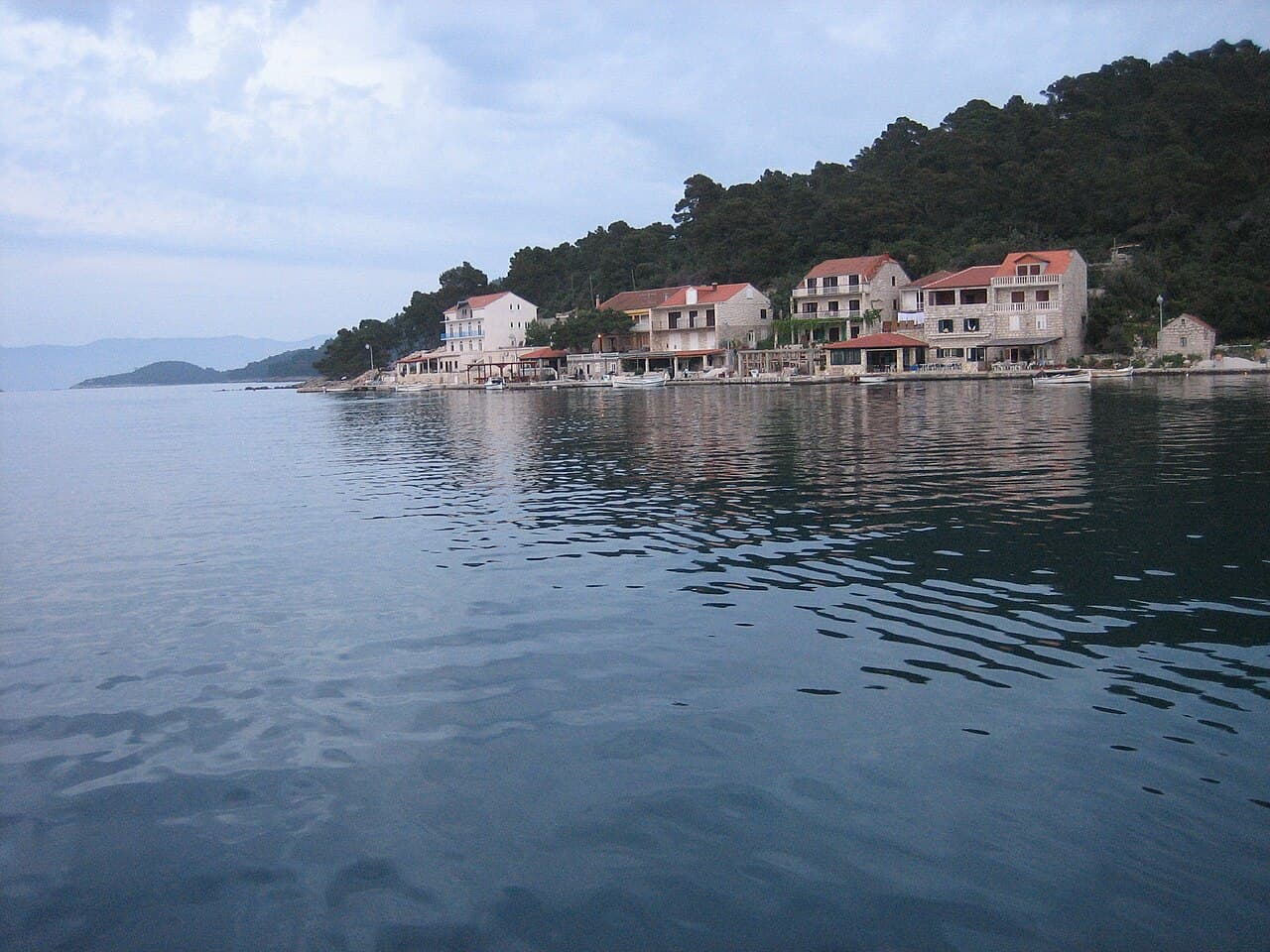
Mljet is a heavily forested Adriatic island suited for travelers seeking nature, hiking, and quiet coastal villages. The western third of the island is a protected National Park featuring two saltwater lakes, drawing day-trippers and extended stay visitors alike. The eastern and central parts offer isolated bays and sandy beaches, distinct from the typical Croatian pebble coastline.

The main travel season runs from late May to September. July and August bring the warmest sea temperatures and the highest volume of yacht traffic, particularly in Pomena and PolaÄŤe. May and September offer milder weather for cycling and walking the National Park trails, with fewer crowds and lower accommodation rates.

At a glance

Best months
May to September
August sea temp
25°C - 27°C
Nearest airport
Dubrovnik (DBV), 85 km (includes ferry)
Main beach type
Saltwater lakes, rocky bays, and rare sand
Price level
Above average (island logistics and park premiums)
Centre walkability
Villages are small/walkable; National Park is car-free

Where to stay in Mljet

Pomena

A small port village at the western tip, serving as the main entrance to the National Park. It has the island's only large hotel, high yacht traffic, and numerous seafood restaurants.

Best for:
National Park access and dining
Parking:
Limited street parking; paid lot near the hotel
Beach:
10-minute walk to Malo Jezero (saltwater lake)

PolaÄŤe

Features prominent Roman ruins right on the waterfront. It acts as the secondary entrance to the National Park and sits in a deep, protected bay with several ferry connections.

Best for:
Historical ruins and sheltered anchorage
Parking:
Street parking available, congested in peak season
Beach:
Rocky waterfront; 3 km walk/cycle to the lakes

Saplunara

Located on the isolated eastern tip of the island, known for its sandy bays. There are no National Park attractions here, making it quieter and entirely focused on beachgoing.

Best for:
Sandy beaches and quiet relaxation
Parking:
Private spots at apartments, small unpaved lots
Beach:
Direct access to rare sandy beaches

Sobra

The main port where the car ferry from the mainland arrives. It is centrally located, offering lower prices and a strategic base for driving to both ends of the island.

Best for:
Ferry access and practical base
Parking:
Ample parking near the ferry port and village center
Beach:
Small pebble and rocky spots in the village

Getting to Mljet

Munich

By car: 930 km to Prapratno port, ~10 hours via A8, A10, HR A1, and Pelješac Bridge. AT vignette/tolls, SI vignette, HR tolls. Plus 45-min car ferry to Sobra.

Other options: Flight to Dubrovnik (DBV) or Split (SPU), then bus/taxi to port and passenger catamaran.

Vienna

By car: 830 km to Prapratno port, ~9 hours via A2 (AT), HR A1, and Pelješac Bridge. AT vignette, SI vignette, HR tolls. Plus 45-min car ferry to Sobra.

Other options: Flight to Dubrovnik (DBV), then bus to GruĹľ port and passenger catamaran.

Budapest

By car: 790 km to Prapratno port, ~8.5 hours via M7 (HU), HR A1, and Pelješac Bridge. HU vignette, HR tolls. Plus 45-min car ferry to Sobra.

Other options: Flight to Split (SPU) or Dubrovnik (DBV), then passenger catamaran to Mljet.

Ljubljana

By car: 610 km to Prapratno port, ~7 hours via A2 (SI), HR A1, and Pelješac Bridge. SI vignette, HR tolls. Plus 45-min car ferry to Sobra.

Other options: Bus to Split or Dubrovnik, then passenger catamaran to Pomena or Sobra.

Prague

By car: 1,150 km to Prapratno port, ~12.5 hours via A9 (AT) and HR A1. CZ, AT, SI vignettes, HR tolls. Plus 45-min car ferry to Sobra.

Other options: Flight to Dubrovnik (DBV), then bus to port and passenger catamaran.

KrakĂłw

By car: 1,120 km to Prapratno port, ~12.5 hours via SK, HU (M7), and HR A1. SK, HU vignettes, HR tolls. Plus 45-min car ferry to Sobra.

Other options: Flight to Split (SPU) or Dubrovnik (DBV), then passenger catamaran.

When to go

The tourist season on Mljet runs from May to October, aligning with expanded ferry schedules and open restaurants. July and August are the busiest and most expensive months, with sea temperatures reaching 27°C and large numbers of yachts docking in Pomena and Polače. May, June, and September offer pleasant air temperatures around 20–25°C, making these months ideal for cycling and hiking in the National Park, though the sea may be too cool for extended swimming in early May. Between November and April, the island is very quiet; passenger catamarans operate on reduced schedules, and most tourist facilities, including many restaurants and accommodations, close for the winter.

Mljet guides

Mljet FAQ

Is Mljet worth visiting?

Yes, for travelers seeking nature, hiking, and clear water away from large resort towns. The island's National Park and saltwater lakes offer a distinct landscape compared to other Croatian islands, though it lacks nightlife and extensive shopping.

How many days do I need in Mljet?

Two to three days are sufficient to cycle around the National Park lakes, visit St. Mary's Island, and explore a few coastal villages. Day trips from Dubrovnik or KorÄŤula are popular, but staying overnight allows you to experience the park without the midday crowds.

Which is the best beach on Mljet?

Velika Saplunara and Mala Saplunara on the eastern tip are the best sandy beaches. In the National Park, the shores of Malo Jezero and Veliko Jezero (the saltwater lakes) are highly popular for swimming due to their warm, calm waters and pine shade.

Do I need a car on Mljet?

A car or scooter is highly recommended if you plan to explore the island, as the distance between the National Park in the west and Saplunara in the east is over 40 kilometers. If you only intend to stay in Pomena or PolaÄŤe and visit the National Park, a car is unnecessary.

Where do I park in Mljet National Park?

There is a designated paid parking lot in the village of Vrbovica (near Mali Most) right at the lake entrance, as well as street parking in Pomena and PolaÄŤe. Vehicles are not allowed on the walking paths directly surrounding the saltwater lakes.

Is Mljet good for families?

Yes, especially for active families who enjoy cycling, swimming, and nature walks. The saltwater lakes are very safe for children due to the lack of waves, and the sandy beaches in Saplunara feature shallow, gradual entries.

Explore Nearby

More destinations in Dubrovnik Region

Check Availability for Your Chosen Location

If you've already decided which area suits you, check availability below.

Find accommodation

Mljet

Powered by Booking.com