Dubrovnik Region

Orebić

Plan your trip to Orebić with this practical guide. Discover the best beaches, local wine regions, driving routes, and the best neighbourhoods to stay.

Best months
June to September
Sea temp in August
24°C - 26°C
Nearest airport
Dubrovnik (DBV), 130 km
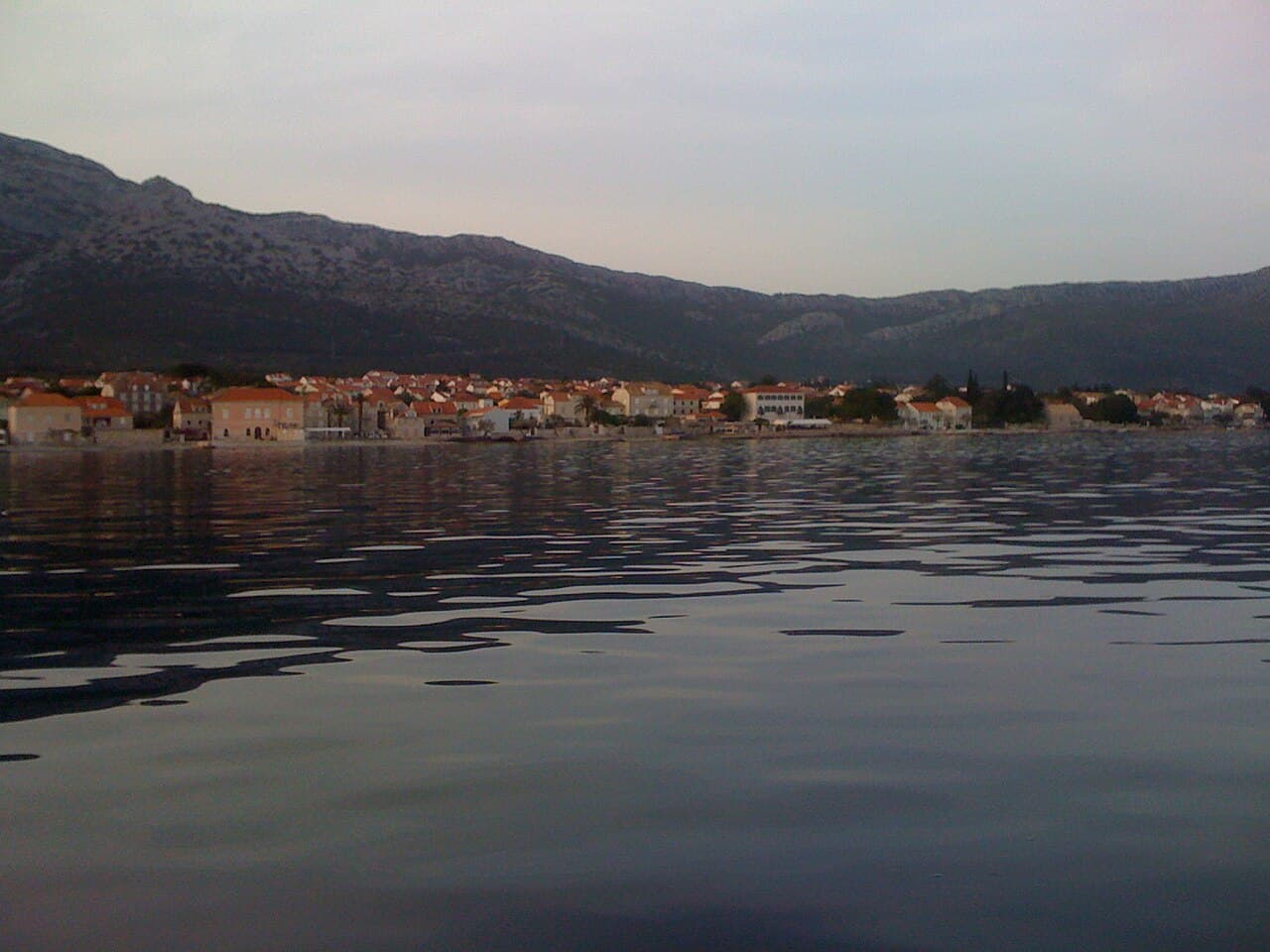
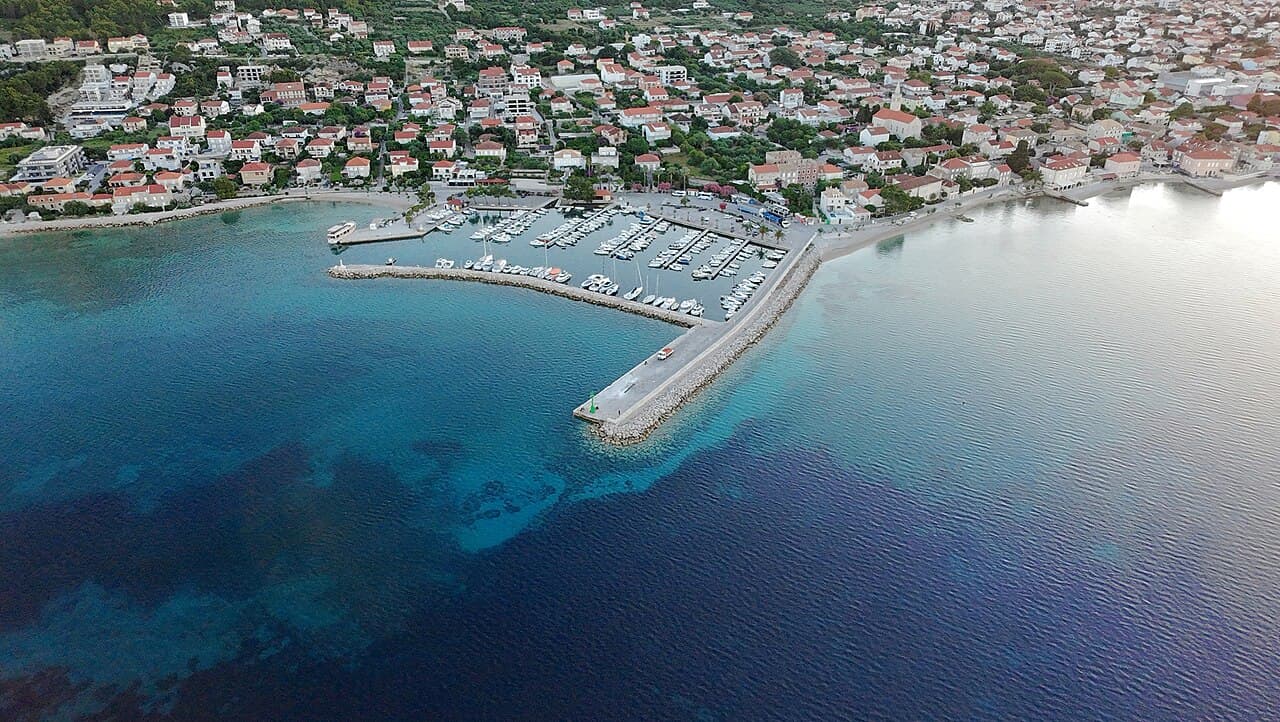
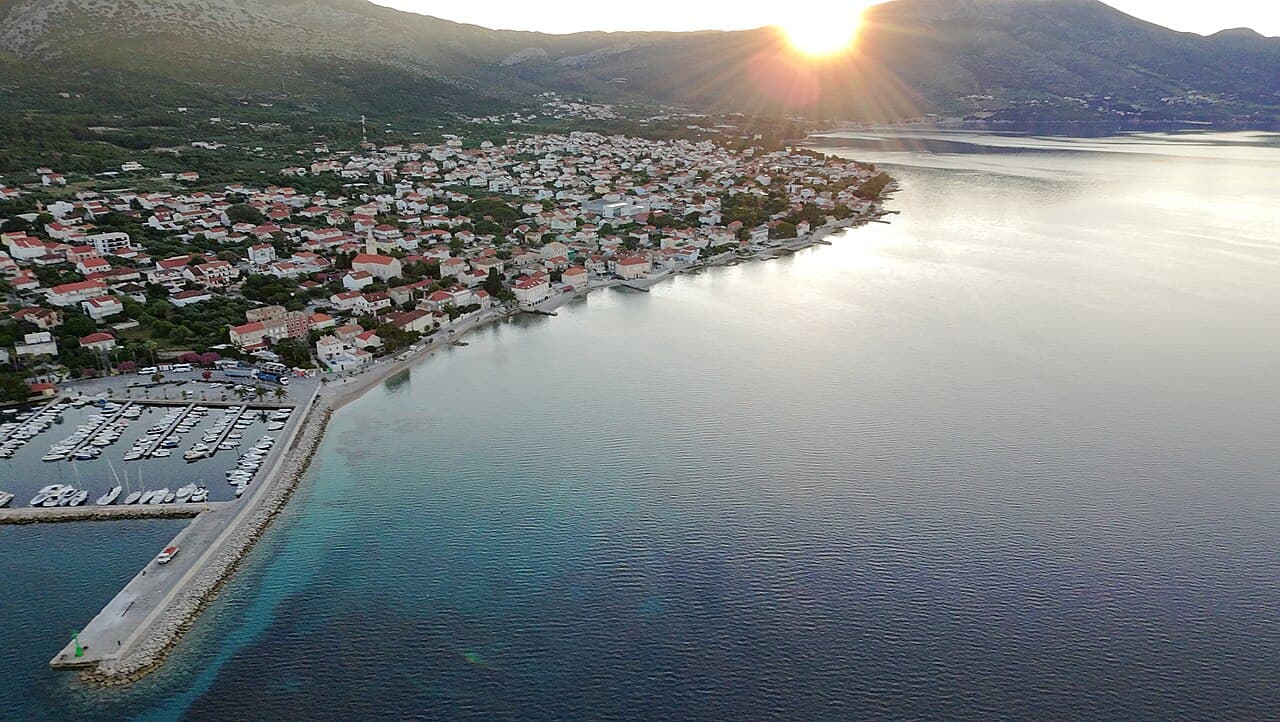
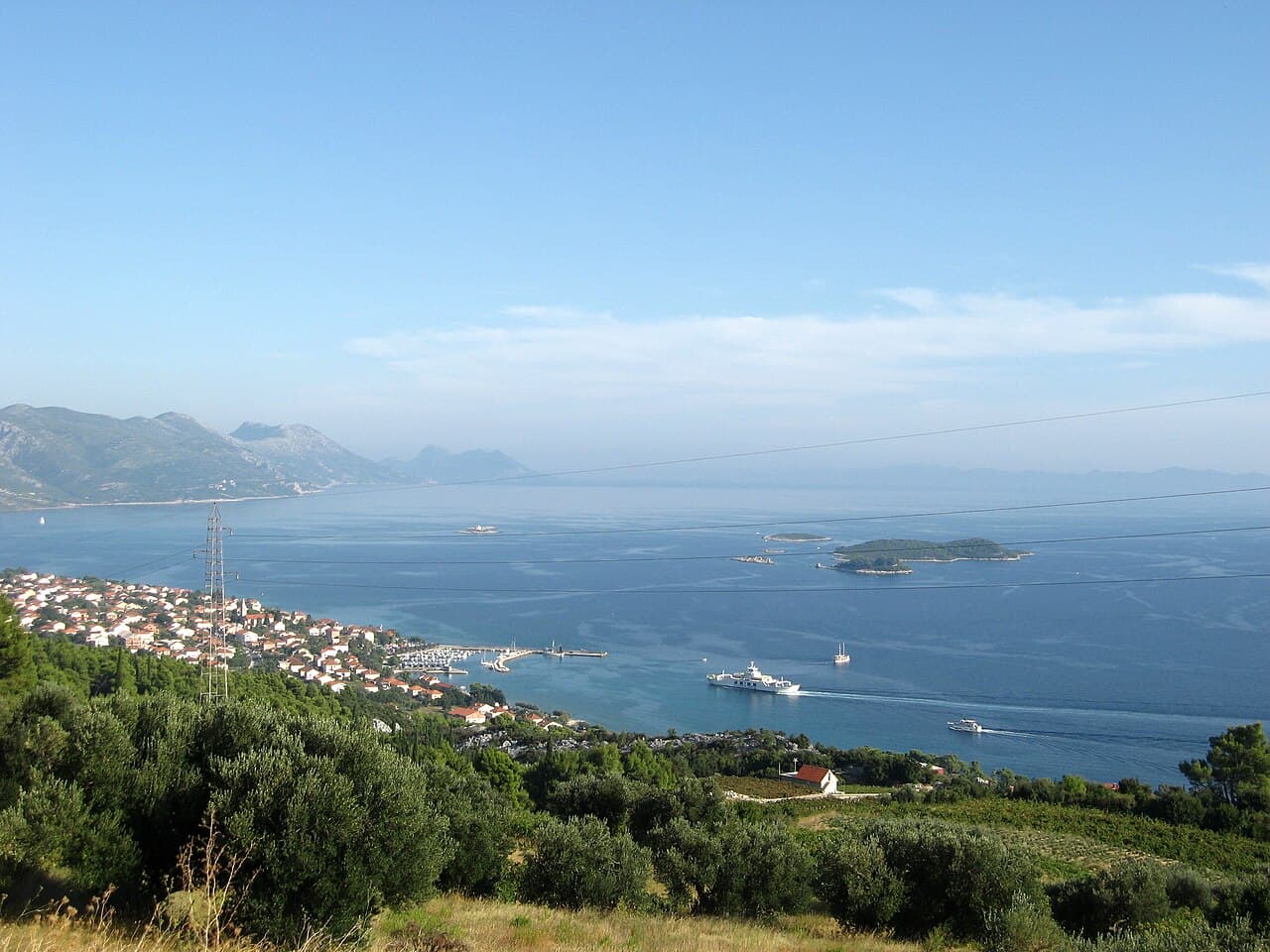
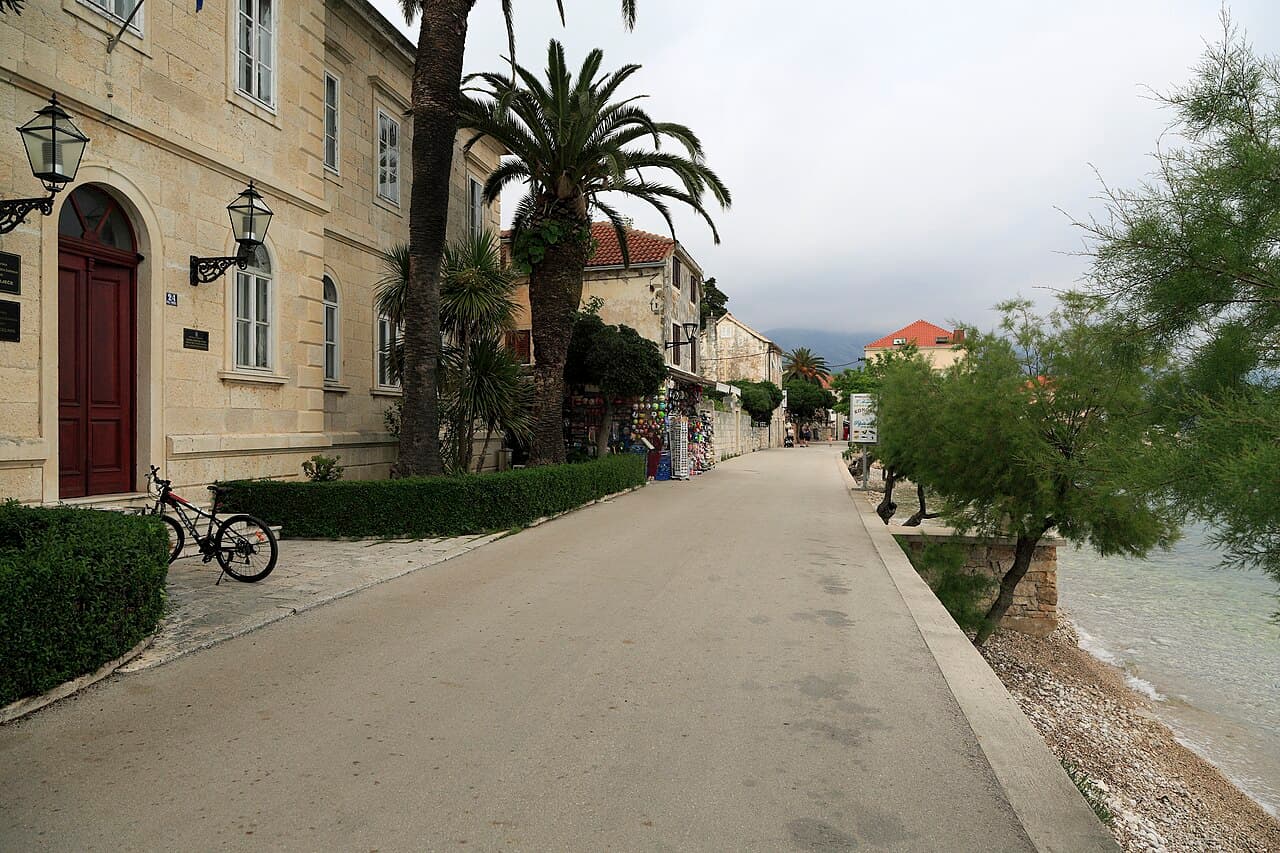
Orebić town on Pelješac peninsula

Main beach type

Fine pebble with sandy seabed

Orebić is a historic maritime town on the southwestern coast of the Pelješac peninsula, sitting directly across a narrow strait from the island of Korčula. It serves as an excellent base for travellers seeking the classic Dalmatian combination of pine-shaded beaches, clear waters, and prominent local wine culture, without the intense crowds of the major cities. The town faces south, sheltered by Mount Ilija, which provides a dramatic backdrop and protects the coast from northern winds.

The destination strongly appeals to families looking for calm, sandy-bottomed swimming spots like Trstenica, as well as couples and groups interested in touring the nearby Dingač and Postup vineyards. The most reliable time to visit is from June through September when the sea is warm enough for swimming and all ferry routes and local restaurants are fully operational.

At a glance

Best months
June to September
Sea temp in August
24°C - 26°C
Nearest airport
Dubrovnik (DBV), 130 km
Main beach type
Fine pebble with sandy seabed
Price level
Average (cheaper than Dubrovnik)
Car-free centre
Highly walkable, but cars allowed on most streets

Where to stay in Orebić

Orebić Centre & Promenade

The historic core features old sea captains' houses, a long seafront promenade, and the main ferry port. It provides easy walking access to most restaurants, bakeries, and the quick passenger ferry to Korčula.

Best for:
First-timers and those relying on ferries or public transport
Parking:
Paid street parking and lots near the ferry; often crowded
Beach:
Small pebble beaches along the promenade

Trstenica Area

Located on the eastern edge of town, this residential neighbourhood is built around Orebić's most famous beach. It is quieter than the centre but still within a 15-minute walk of the main promenade.

Best for:
Families with children and beach lovers
Parking:
Limited street parking; booking accommodation with a spot is essential
Beach:
Trstenica Beach (sand and fine pebble, shallow entry)

Viganj & Kučište

Situated a few kilometres west of Orebić, these coastal villages are famous for their reliable afternoon mistral winds. The vibe is laid-back and sporty, with numerous surf schools, beach bars, and campsites.

Best for:
Windsurfers, kitesurfers, and active travellers
Parking:
Generally easier, with larger lots at camps and beachfront apartments
Beach:
Long stretches of fine pebble beaches right on the road

Mokalo & Postup

These small hamlets east of Orebić are perched on hillsides famous for the Postup wine appellation. They offer boutique accommodations, sweeping views of the archipelago, and a very quiet atmosphere away from the main town.

Best for:
Wine enthusiasts and couples seeking seclusion
Parking:
Easy and secure, typically provided by private villas and resorts
Beach:
Secluded pebble coves backed by steep vineyards

Getting to Orebić

Munich

By car: 1,050 km, 11-12 hours via A8, Villach, Ljubljana, Zagreb, A1 to Ploče, and the toll-free Pelješac Bridge. Requires Austrian and Slovenian vignettes, plus Croatian highway tolls.

Other options: Flight to Split (SPU) or Dubrovnik (DBV), then rental car or bus.

Vienna

By car: 860 km, 9-10 hours via Graz, Maribor, Zagreb, A1 to Ploče, and the Pelješac Bridge. Requires Austrian and Slovenian vignettes, plus Croatian tolls.

Other options: Direct flight to Split (SPU) or Dubrovnik (DBV).

Budapest

By car: 850 km, 9-10 hours via M7 to Letenye, Zagreb, A1 south to Ploče, and the Pelješac Bridge. Requires Hungarian vignette and Croatian tolls.

Other options: Flight to Split (SPU) or Dubrovnik (DBV) during summer.

Ljubljana

By car: 610 km, 6.5-7.5 hours via Novo Mesto, Zagreb, A1 south to Ploče, and the Pelješac Bridge. Requires Slovenian vignette and Croatian tolls.

Other options: Bus to Split or Dubrovnik, then local bus or ferry to Orebić.

Prague

By car: 1,150 km, 12-14 hours via Brno, Vienna, Graz, Zagreb, and A1 south. Requires Czech, Austrian, and Slovenian vignettes, plus Croatian tolls.

Other options: Direct flights to Split (SPU) or Dubrovnik (DBV).

Kraków

By car: 1,200 km, 13-14 hours via Slovakia, Budapest, Zagreb, and A1 south. Requires Slovak and Hungarian vignettes, plus Croatian tolls.

Other options: Direct summer flights to Split (SPU) or Dubrovnik (DBV).

When to go

The season begins in May when coastal restaurants reopen and prices remain low, though the sea temperature is a brisk 18°C. June brings warmer weather and sea temperatures around 22°C, making it a great time for early summer swimming with moderate crowds. Peak season spans July and August, when the sea reaches a very comfortable 24°C to 26°C; during these months, the town is at its busiest, accommodation prices peak, and beach parking is highly competitive. September is widely considered the optimal month, offering warm waters (around 23°C), thinning crowds, and the start of the local grape harvest. By late October, the tourist infrastructure largely shuts down for the winter, and the town returns to a quiet, local rhythm.

Orebić guides

Orebić FAQ

Is Orebić worth visiting?

Yes, Orebić is highly worth visiting for its excellent beaches and prominent wine culture. It offers a much more relaxed alternative to the crowded cities of Dalmatia while still providing easy access to Korčula island.

How many days should I spend in Orebić?

Three to five days is an ideal amount of time for a stay in Orebić. This allows enough time to enjoy Trstenica beach, tour the nearby Dingač vineyards, and take a day trip across the strait to Korčula.

What is the best beach in Orebić?

Trstenica is widely considered the best beach in Orebić, especially for families. It features a fine pebble shore with a sandy seabed and shallow water, bordered by pine trees that provide natural shade.

Do I need a car in Orebić?

While the town itself is easily navigated on foot, having a car is highly recommended. A vehicle is essential for exploring the Pelješac peninsula's wineries, rural villages, and hidden coves.

Where is the best place to park in Orebić?

There is a large paid parking lot near the main ferry terminal, though it fills up quickly in July and August. If you are staying in the centre or near Trstenica beach, it is crucial to book accommodation that includes a private parking space.

Is Orebić good for families?

Orebić is an excellent destination for families due to its calm atmosphere and safe swimming conditions. The shallow, sandy-bottomed waters at Trstenica beach are particularly well-suited for young children.

Explore Nearby

More destinations in Dubrovnik Region

Check Availability for Your Chosen Location

If you've already decided which area suits you, check availability below.

Find accommodation

Orebić

Powered by Booking.com