01Is Osijek Crowded? What to Expect
Osijek is a university and regional capital city of roughly 100,000 people, not a coastal resort. It has no cruise-ship surges and no tour-bus season like Dubrovnik or Split. "Crowded" here means a full café terrace or a busy festival square. It does not mean queues at the sights. The main differences between months come from events, not from tourist arrivals.
02Osijek Crowd Levels by Month
January and February: Quietest
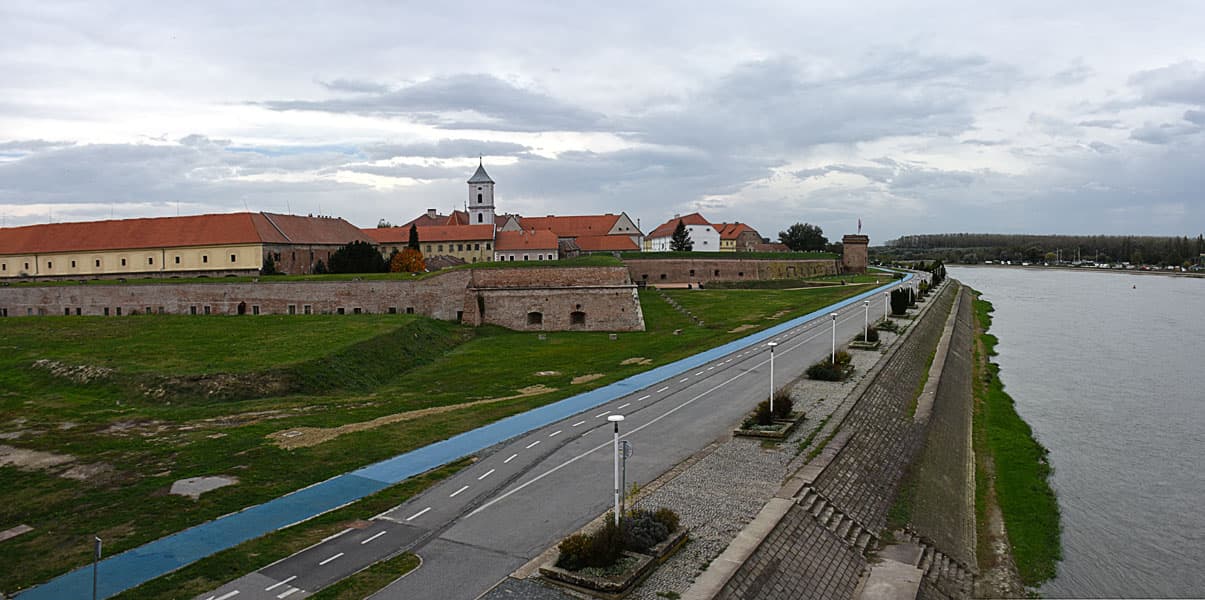
The Tvrđa fortress district and the Drava riverside are close to empty on weekdays. The exception is WineOS, a wine festival held in mid-January (16–17 January in 2026). Book accommodation early if you plan to be there on that weekend.
March and April: Low, With an Easter Bump
Early March is calm. Easter week brings an Easter market, large painted eggs on display, and a children's programme with a kids' tram and a motorbike bunny parade. The city centre is busier then, but it stays manageable. April also has sports and fair dates. These include the Gymnastics World Cup, a half marathon, and the SALORI hunting and fishing fair. They fill hotels for a weekend but do not crowd the streets.
May: First Real Event Month
May is among the busiest months for locals and regional visitors. Osijek Wine & Walk, the Craft Beer Festival and the Pannonian Book Festival all take place then. County-wide wine events also run through the month. The crowds are domestic, and they cluster in the evenings.
June to August: Peak Season, Still Relaxed
The Osijek Summer of Culture is the city's largest cultural event. The 2026 edition ran from 24 June to 30 August, with more than 60 free events at over 10 locations. Summer Nights adds food huts on the main square. July and early August are the busiest weeks. The heat pushes most activity to the evenings, and you can still walk the Tvrđa and the riverside during the day without queues. August also includes the Days of the First Croatian Beer festival.
September and October: Event Weekends
September has the Osijek Autumn Fair at the Gospodarski centar and several concerts. In early October, the HeadOnEast festival (2–4 October in 2026) draws families for wine, food and music. Trade fairs such as INOVA in October fill business hotels on weekdays. The pattern reverses outside the coast: weekdays can be busier than weekends during fairs.
November and December: Calm Again
The city is quiet apart from concert nights at the Franjo Krežma concert hall and the Croatian National Theatre. Advent is cosy, but it does not draw the large crowds seen in Zagreb.
03Best Times to Avoid Crowds
- Quietest overall
- January (outside WineOS), February, early to mid-March, and most of November.
- Quiet with full programming
- late August to mid-September, once the summer festival winds down and before the autumn events.
- Best weekday strategy
- Tuesday to Thursday, particularly outside May and July.
The Summer of Culture is the main reason to accept summer crowds. It is free, and most of its programme is in the evening. The only real rule is to avoid sold-out concert nights if you need a hotel at short notice.
04Insider Tips
- Check the Gospodarski centar fair calendar before booking. Trade fairs fill mid-range hotels even when the streets look empty.
- Check the football calendar. NK Osijek home matches can draw more than 13,000 spectators for big games, while ordinary league matches draw about 1,600. These have little effect on the centre of town but do affect the area near the stadium.
- Day trips to Kopački Rit Nature Park (about 12 km from the centre) are quieter on weekdays. Spring and autumn school groups are the main crowd there.
- Book restaurant tables on Friday and Saturday evenings during May and July. Weekdays rarely need a reservation.
05Opinion: Do Not Skip Summer Over Crowd Fears
Avoiding Osijek in July because of crowds makes little sense. Summer is the one period when the city's programme is at its fullest and everything is free. The "busy" label here comes from fuller terraces, not from any real hassle.