01Where Is Stari Grad and Why Visit?
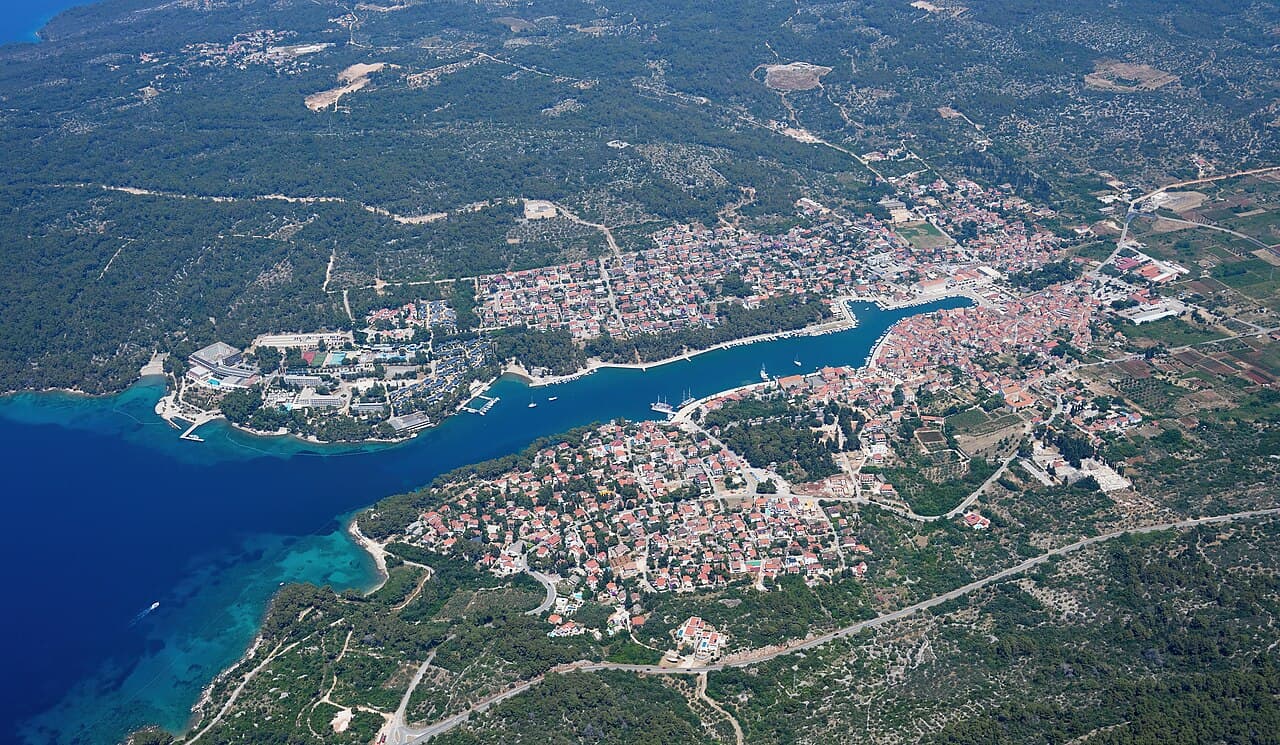
Stari Grad sits on the north coast of Hvar island, at the end of a long, narrow bay. Greek settlers from Paros founded it in 384 BC as Pharos, which makes it one of the oldest continuously inhabited towns in Europe. The old centre is compact, mostly car-free and walkable in an hour.
The town suits visitors who want stone lanes, local restaurants and cycling rather than nightclubs. Hvar Town, about 18 km away, covers the party scene. Stari Grad is the better base for a calm stay, and it is the opinion of this guide that a first visit works best here, with Hvar Town as a half-day trip.
02How to Get to Stari Grad
By ferry from Split
The Jadrolinija car ferry (line 635) is the standard route. The crossing takes about 1 h 50 min and runs 7–8 times a day in summer, with sailings through the night. 2026 fares are listed below; 2027 fares may change slightly, so check the Jadrolinija price list before travelling.
- Foot passenger: €5.90 off-season, €8.40 in high season (29 May–27 Sep in 2026)
- Child aged 3–12: €3.00 off-season, €4.20 high season
- Car up to 5 m long: €35.60 off-season, €47.60 high season
- Motorcycle: €10.10 off-season, €14.00 high season
A Jadrolinija catamaran (line 9603) also runs to Stari Grad on selected weekdays. It takes about an hour and costs €10.00 per adult in high season, or €6.40 off-season. Most catamarans from Split go to Hvar Town instead, and those cost around €25, so check the destination before buying.
From the ferry port to the old town
The car ferry port is about 2 km from the old centre. The walk takes roughly 25 minutes along the bay. Buses and taxis meet arrivals, but on a warm day many visitors walk it.
From Hvar Town and other Hvar places
Hvar Town is about 18 km away and Jelsa about 13 km. Island buses connect the three towns, with fewer services on Sundays and in winter. Check the timetable at the Stari Grad bus stop on the day you arrive.
Do you need a car?
No. The old town, the main beaches and the start of the plain are reachable on foot or by bike. A car helps only for the south side of the island. If you bring one, book the ferry ahead in July and August, because car spaces sell out on peak weekends.
03Best Things to Do in Stari Grad
Tvrdalj
Tvrdalj is the 16th-century fortified house of the Renaissance poet Petar Hektorović. Its main feature is a large fish pond with clear water in the inner courtyard, fed by the sea. Entry is €5. Opening is limited and often runs about 10:00 to 14:00, so go in the morning.
Stari Grad Museum
The museum is at Braće Biankini 4, beside Tvrdalj, in a former palazzo. It covers 2,400 years of local history, including Greek and Roman finds. Summer opening is mornings, plus 19:00–21:00 in July and August, and it is closed on some days. Winter visits are by arrangement only. Entry is about €5–6. An English-language guided tour costs €20 and must be booked ahead.
Stari Grad Plain
The Stari Grad Plain is a UNESCO World Heritage Site, inscribed in 2008. It is a Greek land division from the 4th century BC. Dry stone walls still mark the original rectangular plots across 1,377 hectares between Stari Grad and Vrboska. Entry is free and there are no opening hours.
The plain looks flat and plain from the road. It makes more sense on a bike or on foot, with the tourist office's map in hand. Olive groves, vineyards and the Greek tower at Maslinovik are the main stops. Allow 2–3 hours by bike and start early in summer, because there is almost no shade.
Old town streets and the Dominican monastery
The lanes between the waterfront and the Church of St Stephen's square have stone houses, small courtyards and Renaissance doorways. The Dominican monastery of St Peter holds a painting attributed to Tintoretto and a small collection of local items. Opening hours are seasonal, so ask at the tourist office.
04Best Beaches Near Stari Grad
Beaches here are pebble and rock rather than sand. The town beaches on the bay are calm and good for small children. For clearer, deeper water, walk or cycle around the bay to the smaller coves. Bring water shoes, as the pebbles are sharp in places.
Beach bars are limited, so bring water and snacks to the further coves.
05Where to Eat in Stari Grad
Expect Dalmatian staples: grilled fish by weight, black risotto, octopus under the peka bell, and gregada, a Hvar fish stew. Main courses in the old town usually cost €15–25, and a grilled fish plate for two is often €50–70 depending on the catch.
Local wines come from the plain. Look for Plavac Mali (red) and Bogdanuša (white), a grape native to Stari Grad. Ask for the house wine in a konoba rather than a branded bottle. A glass costs around €3–5.
06Where to Stay
Private apartments and small guesthouses dominate. There are few large hotels. Rooms in the old centre or on the bay cost roughly €60–120 a night in July and August, and less outside peak season. Book 2–3 months ahead for summer, because many places hold only a handful of units.
The old centre is best for dining and walking. The bay shore is quieter and closer to the beaches. Check whether the place has air-conditioning, since July heat in stone houses is strong.
07When to Visit
- May–June
- Warm days, a calmer sea and open museums. Best balance for first-time visitors.
- July–August
- Hottest and busiest. Highest ferry and room prices. Evening events and the museum's evening hours.
- September
- Sea is still warm, crowds thin out, and grape harvest on the plain starts.
- October–April
- Quiet. Many restaurants close, and ferries run less often.
08Local Tips
- Walk the bay promenade at sunset. The light on the water and the old houses is at its best then, and the lane is cool and nearly empty.
- Cycle the plain before 10:00. After that, the heat and lack of shade make it hard going from July to August.
- Check whether the ferry you want is the car ferry to Stari Grad or the catamaran to Hvar Town. They arrive at different towns and cost very differently.
- If the Tvrdalj is closed when you arrive, ask nearby, since the caretaker's hours vary. Go before 14:00.
- Carry some cash for small konobas, wine cellars and farm stands on the plain, which may not take cards.
- Stari Grad is more suitable for slow travel than for nightlife. If you want clubs, stay in Hvar Town instead.
09How Many Days Do You Need?
One full day covers Tvrdalj, the museum, the old town and a swim. Two days add the plain by bike and a beach afternoon. Three days allow trips to Hvar Town, Jelsa and Vrboska. Day-trippers from Split need to plan the return sailing carefully, because the last ferry times differ by day and season.