01Quick Overview: Which Day Trip Fits Which Traveller
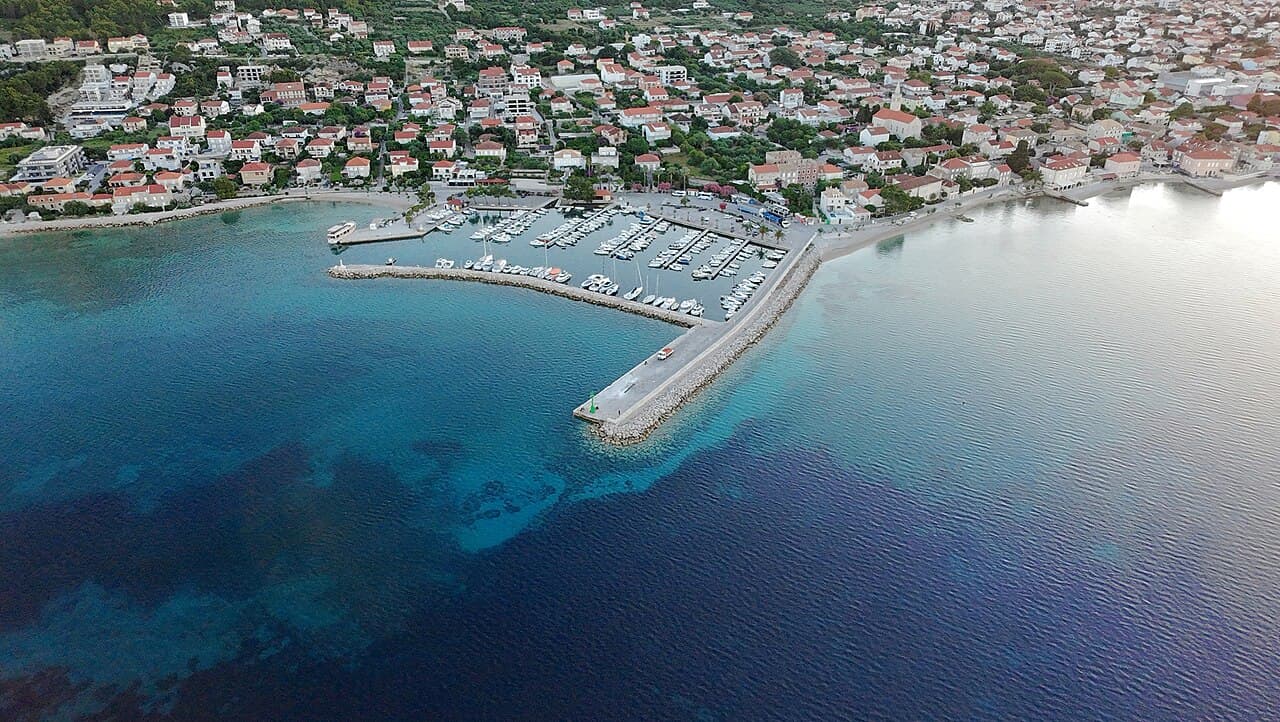
Orebić sits on the southern coast of the Pelješac peninsula, so most excursions start with either a short ferry hop or a drive along the peninsula's single main road (D414). The fastest trip is Korčula. The most rewarding for food is Ston. The most nature-focused is Mljet. Dubrovnik is possible but long. Rental cars make Ston, the wine road and Mljet realistic; Korčula works fine on foot.
02Day Trip 1: Korčula Town and Lumbarda
How to get there
The Jadrolinija car and passenger ferry (line 634) runs between Orebić and Dominče on Korčula. The crossing takes about 20 minutes. A foot passenger ticket costs €2.50 in the low season and €4.40 in the high season (29 May to 27 September 2026 tariff). A standard car costs €10.40 in low season and €16.20 in high season. Children aged 3–12 pay €1.20. Departures run through the day, with sailings at roughly 07:20, 08:30, 10:00, 11:30, 13:00 and 14:30 from Orebić, but timetables shift by season, so check the Jadrolinija schedule the day before.
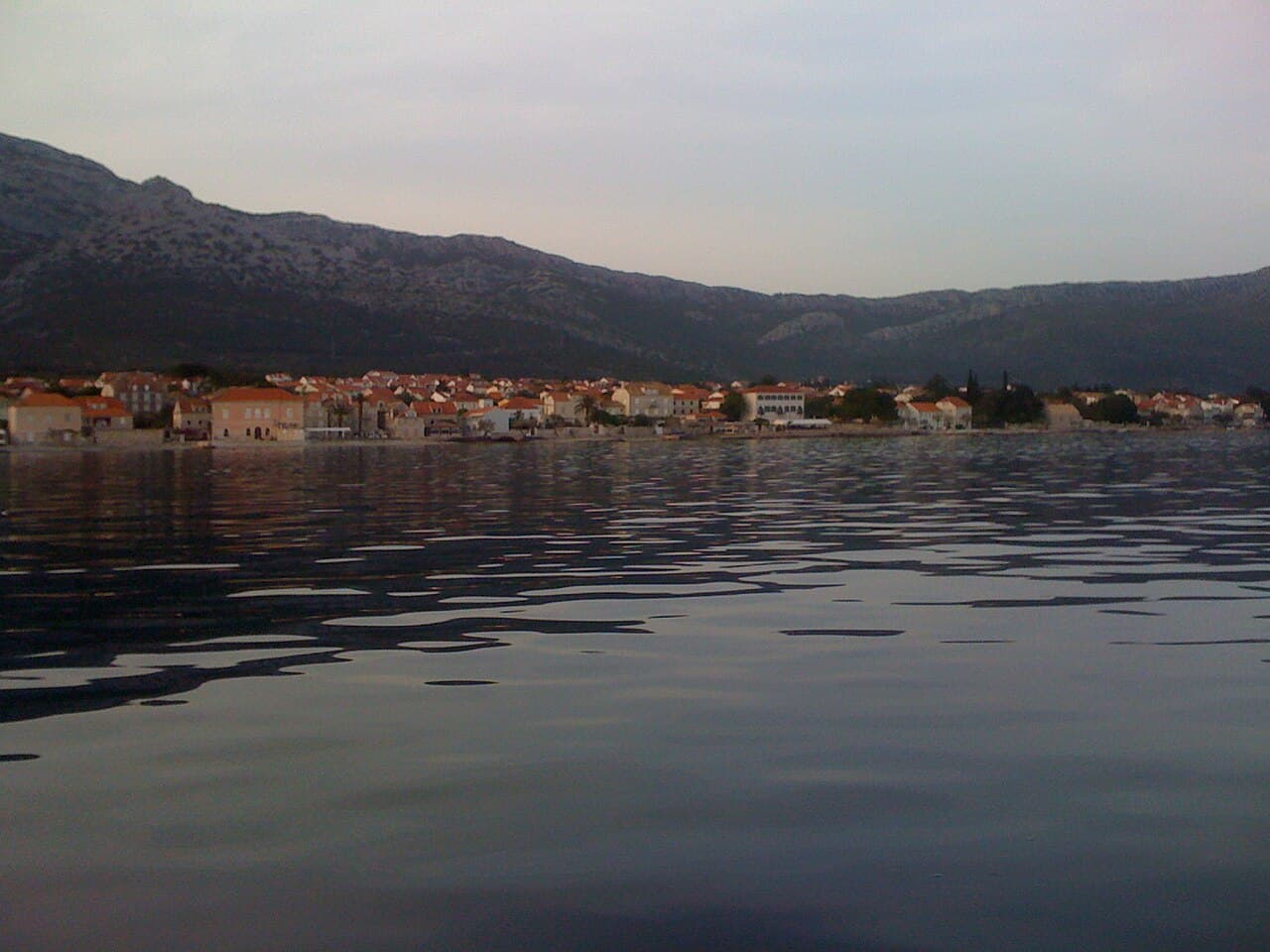
A separate passenger boat connects Orebić directly with Korčula Town's harbour. It is the best choice without a car, as it drops visitors at the Old Town walls. The Dominče ferry lands a few kilometres from town, which means a bus, taxi or drive.
What to do
- Walk the Old Town's fishbone-pattern streets, which take about 2 hours to cover with a stop at St. Mark's Cathedral.
- Climb the Land Gate tower for views over the Pelješac channel.
- Visit Lumbarda (about 7 km southeast of Korčula Town) for sandy Pržina and Vela Przina beaches and for Grk, a white wine made only in this area.
- Eat at a konoba in the town's back lanes rather than on the harbour front, where prices are noticeably higher.
Local tip: Take the first or second morning ferry and return on a late sailing. Day-trippers arrive in the 10:00–15:00 window, and the Old Town is much calmer outside it.
03Day Trip 2: Ston Walls and Mali Ston Oysters
Ston is about 55 km east of Orebić, a drive of 55–60 minutes. The Ston walls stretch about 5.5 km and are among the longest preserved fortification systems in Europe. The full climb between Ston and Mali Ston takes 1.5 to 2 hours and is steep in the first section. Ticket prices change by season and typically sit between €10 and €15 for adults. Go early, since the stone steps get very hot after 11:00 in summer.
Mali Ston, 1.5 km away, is known for flat European oysters and mussels grown in the bay. A dozen oysters usually cost €15–25 at the waterfront restaurants. Ston also has historic salt pans, which are still operating, so you can buy sea salt directly.
Opinion: Walking the full wall circuit in July or August is not worth it for most people. Do the lower section to the first tower, then spend the saved energy on oysters.
Local tip: Oysters are at their best from about October to May. In high summer, mussels are the safer and cheaper order.
04Day Trip 3: Mljet National Park
Getting there from Orebić
There is no direct ferry from Orebić to Mljet. The standard route is to drive to Prapratno (about 1h 10m from Orebić, near Ston) and take the Jadrolinija line 832 ferry to Sobra. The crossing takes about 45 minutes. Foot passengers pay €3.90 off-season and €6.10 in season. A standard car (up to 5 m) costs €19.60 off-season and €25.50 in season. Tickets can be bought online or at the kiosk in Prapratno harbour about an hour before departure. In summer, cars fill early, so arrive at least an hour ahead.
What to see
The national park covers the western end of the island. It is centred on two saltwater lakes, Veliko Jezero and Malo Jezero, with a small island monastery on St. Mary's islet. Sobra is on the eastern side of the island, away from the park. Plan for about 35 km of driving to Pomena or Polače, roughly 45 minutes. Park entry is paid separately and varies by season, so confirm the current rate before going. Renting a bicycle at the lakes is the standard way to circle them.
Honest assessment: Mljet from Orebić is a long day. Last return ferries from Sobra leave in the evening, but a missed sailing strands you overnight. In practice, the trip works only with a car and a start before 07:00. For a shorter outing, choose another option.
05Day Trip 4: Pelješac Wine Road
The peninsula is Croatia's best-known red wine region, built around Plavac Mali grapes on steep south-facing slopes. Orebić's nearby wine villages are the base for a half-day circuit:
- Potomje
- (about 10 km): the centre of Dingač and Postup appellations, with several family cellars open for tastings.
- Dingač vineyards
- the vineyards drop sharply toward the sea. The tunnel above them, built in 1973, remains a landmark.
- Trstenik and Viganj
- (about 8–15 km west): quieter coastal villages with additional cellars and small coves.
Tastings typically cost €10–25 per person, often with cheese, prosciutto or olives. Phone ahead, because many family cellars work by appointment, especially outside July and August. Use a designated driver or a taxi, as Croatia's legal blood alcohol limit for drivers is 0.05%.
Local tip: Buy bottles directly at the cellar. Prices are usually lower than in restaurants, and several producers ship abroad.
06Day Trip 5: Dubrovnik
Dubrovnik is roughly 120 km from Orebić. Since the Pelješac Bridge opened in 2022, the drive avoids the Bosnian border at Neum and takes about 2 hours without traffic. Expect extra time in July and August on the approach road. Public buses from the peninsula run less often, so driving is the practical option.
Walking the City Walls takes 1.5–2 hours and requires a separate ticket. The Old Town is crowded at midday when cruise ships dock. Parking near Pile Gate is limited and expensive.
Opinion: Skip Dubrovnik as a day trip if you only have three or four days in the area. Four hours of driving for a crowded afternoon compares poorly with Korčula or Ston, and the walls are best seen early or late.
07Day Trip 6: Trpanj and the Neretva Delta
Trpanj is a small port on the northern shore of Pelješac, about 30 km from Orebić. A Jadrolinija ferry crosses from Trpanj to Ploče in roughly an hour, and Ploče is the gateway to the Neretva Delta. The delta is a wetland of reed channels, orchards and tangerine groves, where boat tours and eel and frog dishes are the local specialities. This trip has the fewest crowds of the six and suits people who have already seen Korčula and Ston.
08Practical Planning Tips
Car or no car
Korčula works without a car. Ston, Mljet, the wine road and Dubrovnik effectively do not. If you do not drive, book a guided wine or Ston tour.
Best season
Ferries and roads are easiest from late April to early June and in September. July and August bring queues at Dominče, Prapratno and Dubrovnik. For summer, buy online tickets where possible.
Combining trips
Korčula and the wine road combine well in one day because they share the same side of the peninsula. Ston and Mljet are better kept separate because both involve long road legs.
Money and cards
Most ferries, restaurants and wineries accept cards. Carry small cash for family cellars, parking and bakeries.
09Frequently Asked Questions
See the FAQ section for common questions about ferries, driving times and costs.