01How Many Days Do You Need in Orebić?
Two full days cover Orebić town and a Korčula crossing. Three days add Viganj, a hike up Mount Sveti Ilija or a wine day on the Pelješac peninsula. Orebić is a town of about 3,700 people on the southwestern coast of Pelješac, directly across the channel from Korčula. It lies about 120 km from Dubrovnik, roughly 2 hours by car over the Pelješac Bridge and along the D414.
02Getting to Orebić
- From Dubrovnik
- about 120 km by car or regular bus.
- From Split
- drive via the mainland, or take the Ploče–Trpanj car ferry, which shortens the drive and takes about 50 minutes on the water.
- By sea from Korčula
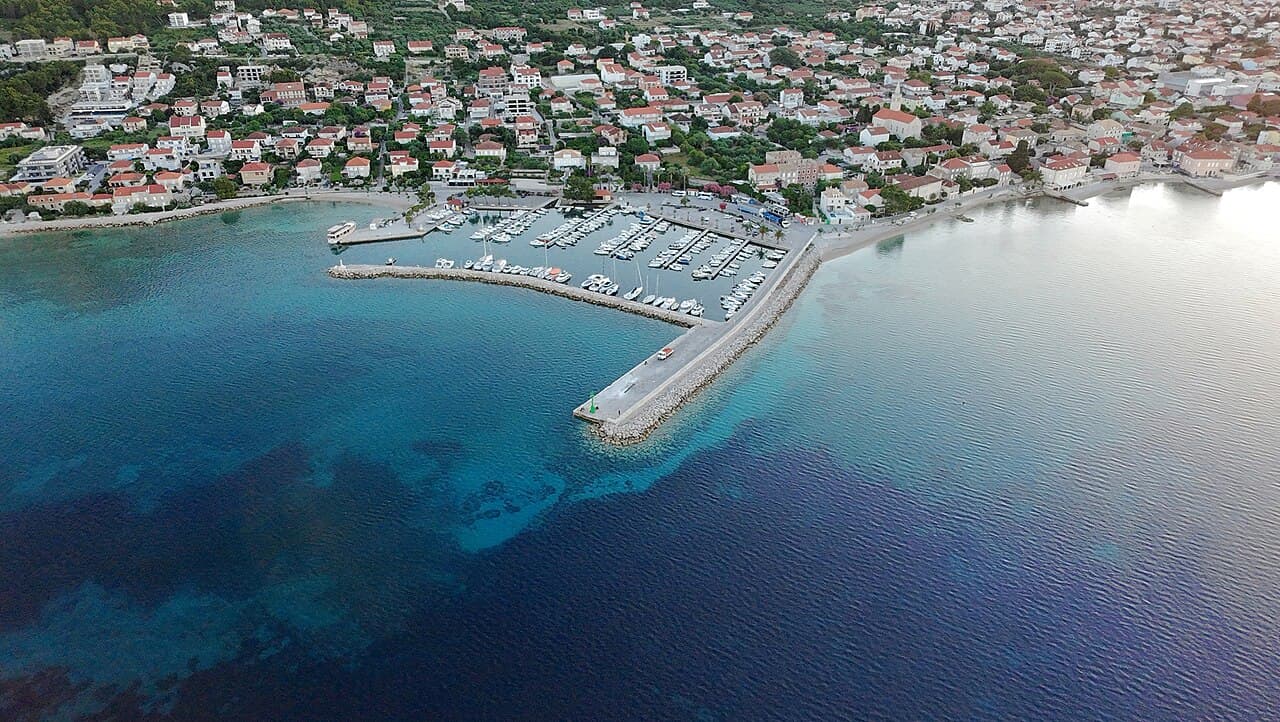
- the passenger boat lands in Orebić's town harbour. The car ferry from Dominče lands at the Orebić ferry terminal.
Orebić is compact. The seafront, museum, ferry terminal and Trstenica beach are all walkable. A car is useful only for Day 3.
03Day 1: Orebić Town, Monastery and Beach
Morning: Seafront Promenade and Maritime Museum
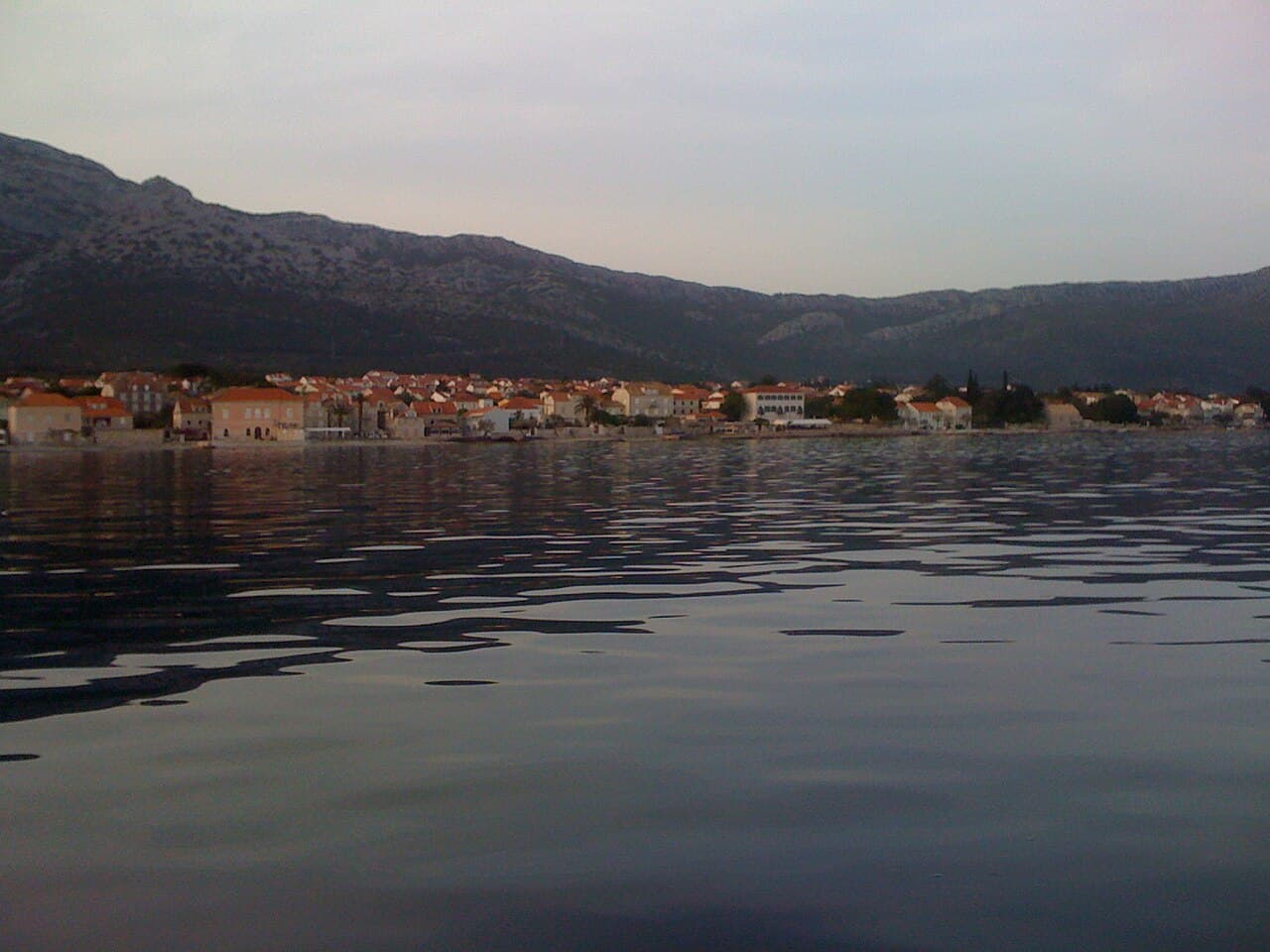
Start on the seafront promenade. The waterfront is lined with large 19th-century sea captains' houses set behind big gardens. Many are still owned by descendants of the captain families. Orebić was a seafaring town and a trading centre until the late 19th century.
The Maritime Museum is in the town centre. It was founded in 1957 and holds ship models, maps, documents and ethnographic objects donated by local families. Plan on 45–60 minutes. Check opening hours locally, as winter hours are shorter.
Late morning: Franciscan Monastery of Our Lady of the Angels
The monastery dates from the late 15th century and stands on a ridge west of town. The walk uphill takes about 20 to 40 minutes depending on the starting point and your pace. Inside are a small museum and a collection of sailors' votive offerings. The adjacent cemetery of captains and seafarers sits about 160 m above the town. The terrace looks across the channel to Korčula and, on clear days, towards Mljet.
Go before 11:00 in summer. The climb is exposed and gets hot by midday.
Afternoon: Trstenica Beach
Trstenica is the main beach and one of the few sandy beaches in southern Dalmatia. It is about a 20-minute walk east of the ferry terminal, with a few bars and a naturist section. Most of the walk follows the coast. Take water shoes for the pebbly sections elsewhere on the coast.
Evening: Seafront dinner
Small restaurants and bars line the promenade. Order seafood and a Pelješac red such as Plavac Mali. Sunset faces the Korčula channel, so waterfront tables fill early in July and August.
04Day 2: Day Trip to Korčula Old Town
Choosing the right boat
The passenger boat goes directly to Korčula old town in 15 minutes. In 2026 the fare was €2.50 off-season and €3.40 in season (29 May to 27 September). Children aged 3–12 pay €1.50. Bicycles can be taken on board for a similar fare. Departures run roughly hourly from about 05:20 to 20:50, with later sailings in high season.
The car ferry goes to Dominče, 3–4 km from Korčula old town. It runs from about 05:30 until late evening, with extra night sailings in summer. In the 2026 tariff foot passengers pay €2.50 off-season and €4.40 in high season, and a standard car costs €10.40 or €16.20. Take it only if you plan to explore the island by car.
What to do in Korčula
- Walk the old town walls and the streets laid out in a herringbone pattern.
- See St. Mark's Cathedral and the house traditionally linked to Marco Polo.
- Watch the Moreška sword dance, staged regularly in summer.
- Eat grilled fish and drink Pošip white wine in the old town.
Catch an afternoon boat back. The last boats are late in summer but earlier off-season, so check the current timetable at the harbour kiosk.
Opinion: Korčula old town is worth a half day, not a full one. Most visitors overestimate how long its small centre takes. Spend the extra hours on Orebić's own beaches or the Viganj coast instead.
05Day 3: Pick One of Three Options
Option A: Viganj and windsurfing
Viganj is about 6 km west of Orebić and is the windsurfing and kitesurfing centre of the peninsula. The afternoon maestral wind is strongest from late spring to early autumn. Boats connect Orebić and Viganj in season. Beginners can rent equipment and take lessons at local schools on the beach.
Option B: Hike Mount Sveti Ilija
Sveti Ilija rises to 961 m, the highest point of Pelješac. Common trailheads are Nakovana, Ruskovica and Bilopolja. The Nakovana route is considered the easiest and Bilopolja the hardest. A full loop from Orebić covers about 14 km and takes roughly 5 hours, with a climb of close to 1,000 m. The path requires sure footing and good fitness.
Start before 07:00 in summer, carry at least 2 litres of water per person, and wear proper shoes. Gornja Nakovana, an archaeological site, can be added on the way.
Option C: Pelješac wine route
The peninsula is known for Plavac Mali red. Dingač, a steep coastal vineyard area near Trstenik, is the best-known sub-region. Wineries include Grgić in Trstenik, Matuško in Potomje and Skaramuča in Dingač. Book tastings in advance in summer. Pay by the glass or flight, and plan on €10–25 per person for a tasting, depending on the winery. Designate a driver, as the roads are narrow and winding.
06Sample 3-Day Budget
| Item | Cost |
|---|---|
| Ferry return to Korčula (high season) | about €6.80 |
| Museum and monastery entry | about €10–15 total |
| Seafood dinner with wine | €25–40 per person |
| Winery tasting | €10–25 per person |
| Water taxi or boat to Viganj (in season) | about €5–10 |
07Best Time to Visit
June and September give warm sea, full ferry schedules and fewer crowds than July and August. July and August have the most boat departures but also the hottest hiking conditions. Hike Sveti Ilija in May, June or September–October. Windsurfers should aim for July and August for the most reliable wind.
08Local Tips
- Buy passenger boat tickets at the harbour or online. Online booking helps in summer.
- Walk to the monastery at the start or end of the day for shade and better light.
- Stay near Trstenica or the promenade if you do not have a car. Viganj is better for windsurfers.
- Pack cash. Smaller konobas, vineyard cellars and some beach bars may not take cards.
- Timetables change between off-season (1 January–28 May and 28 September–31 December) and high season, so check before planning a late return from Korčula.